By Maguayen Fortes and Rianna Kristyn Cadiz
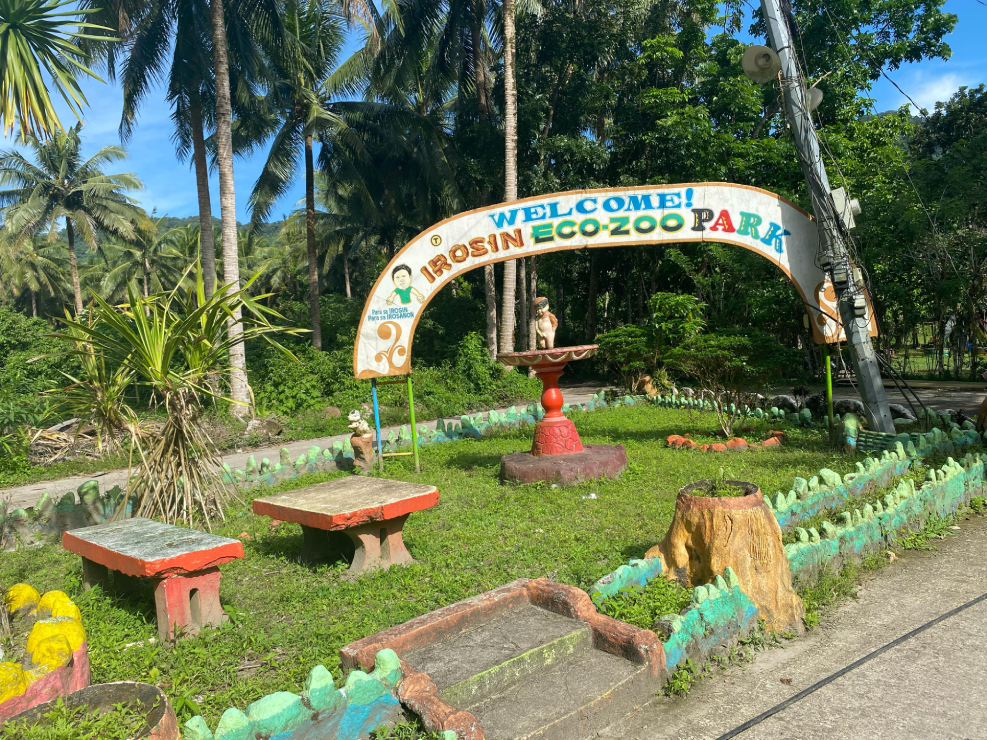
LEGAZPI CITY, Albay – In the only landlocked municipality of Sorsogon, nestled in Barangay Patag, lies the Irosin Eco-Zoo Park. The Eco-Zoo Park today serves as an integrated site for essential Local Government Unit (LGU) services including solid waste management through its composting and recovery facilities, reforestation, agriculture (nurseries, hog breeding, and demo farms), and tourism. It also includes recreational features like a children’s playground, concert grounds, and a multi-purpose hall.
Although the park was built to promote environmental education and rescue wildlife, Provincial Veterinary confirmed that the facility has no veterinarian officially assigned to monitor or care for the animals. With only two caretakers managing dozens of animals on a tight budget, concerns are growing over the animals’ welfare, unsanitary enclosures, and the overall state of the zoo. For many residents and visitors, the question is no longer about the park’s purpose.
First Zoo in the province, high expectations on animal care
Being the first and by far only zoo in Sorsogon, it is also the first and by far only animal rescue center accredited by the Department of Environment and Natural Resources (DENR) in the province, one of only two accredited in the entire Bicol Region. The zoo features and houses different species of birds, raptors, boa constrictors, monkeys, wild boars, deers, crocodiles, ostriches, wild chickens (locally called “ilahas”), wild ducks (locally called “naga”), wild cats (locally called “tigkarong” or “amid”), and other animals.
The site began its transformation in 2001 as a controlled dumpsite owned by the local government. In 2007, under the leadership of Mayor Ma. Lilia Gonzales, it was then evolved as the Patag Ecological Park—a multi-use space aimed for environmental rehabilitation and community services. Later, in 2016, Mayor Alfredo “Pidoy” Cielo Jr. upgraded the area into what is now known as the Irosin Eco-Zoo Park, adding wildlife and educational features.
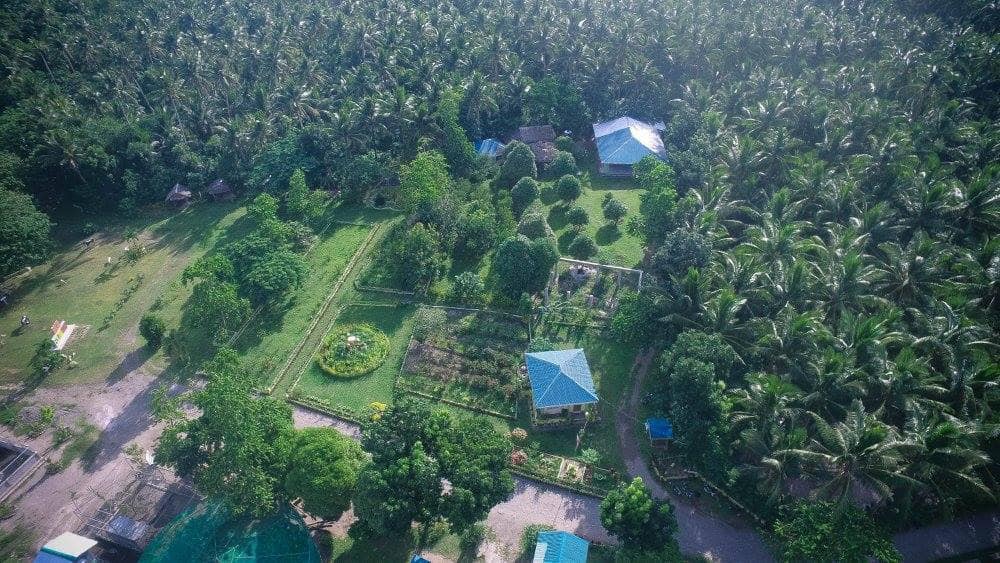
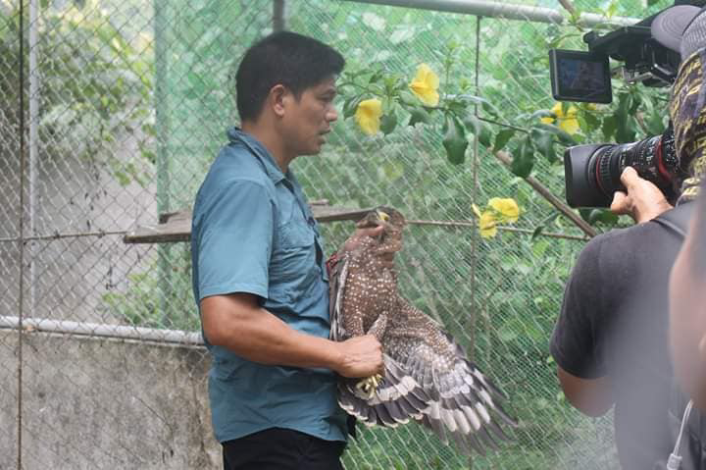
With the effort of the LGU Tourism Office, the Eco-Zoo Park was visited by a production team of a TV network program in 2018 and 2019 and was featured on at least two episodes of the program highlighting animal care and environment rehabilitation.
Despite its size and scope, the zoo area operates with only two caretakers, Chinky Magdaraog and Virgie Dioneda, who manage the feeding, cleaning, and monitoring of various animals such as monkeys, crocodiles, birds, ostriches and many more.
According to the caretakers, veterinary services are limited to once-a-month inspections by a DENR-linked vet from Sorsogon City.
“We cannot always clean them, they are wild animals,” said Dioneda, citing the challenge of working without a formal animal training background.
The park’s minimum budget is ₱500,000 annually, as recorded in the municipality’s Annual Investment Plan. Provincial Environment and Natural Resources Office (PENRO) Sorsogon also promised to provide funding every year, but according to caretakers, they only received support once—in 2023, when nine sacks of animal feed were donated.
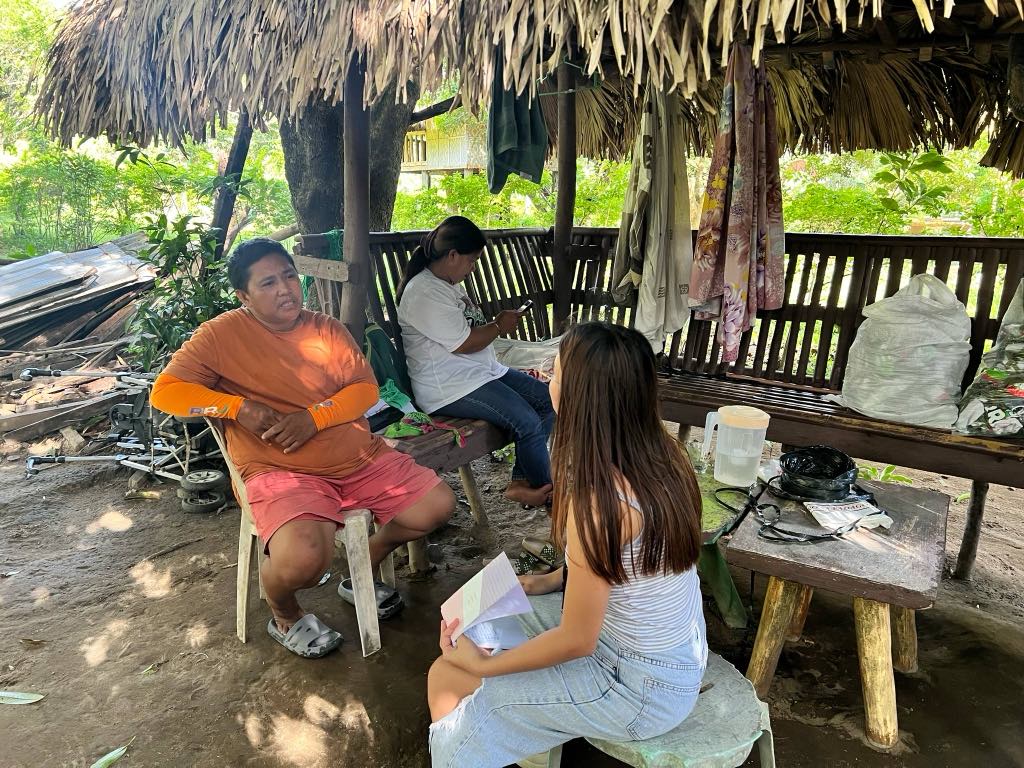
“Sometimes we get from our own pockets to sustain their food. As the animals grow bigger, the budget gets bigger too. However, the budget keeps on decreasing,” said by one of the caretakers.
Meanwhile, the PENRO and DENR reportedly conduct inspections, although there’s no formal inspection schedule mentioned. According to the Municipal Information Office, the Eco-Zoo Park is registered and monitored, but they have not recorded any serious complaints—aside from one minor incident involving a monkey pulling a child’s hair, which was “controllable.”
Community Voices: ‘Nakakaawa na ang mga hayop’
Not everyone shares the same optimism as some visitors have shared different perspectives on what they have observed inside the eco-zoo park.
According to Kamilla Claire Jadie, a resident of Irosin, the park was in good condition when they visited in 2023. The area was clean and the animals were okay and still lively.
“The view was beautiful when we went there but nowadays we think it’s not often visited anymore,” Jadie said.
Irene Hallig, a recent visitor, described the scene as “they are so very weak,” referring to the animals.
“[The food] is so dirty, it smells bad too,” Hallig added, noting the animals’ food was “disgustingly” placed directly on the ground.
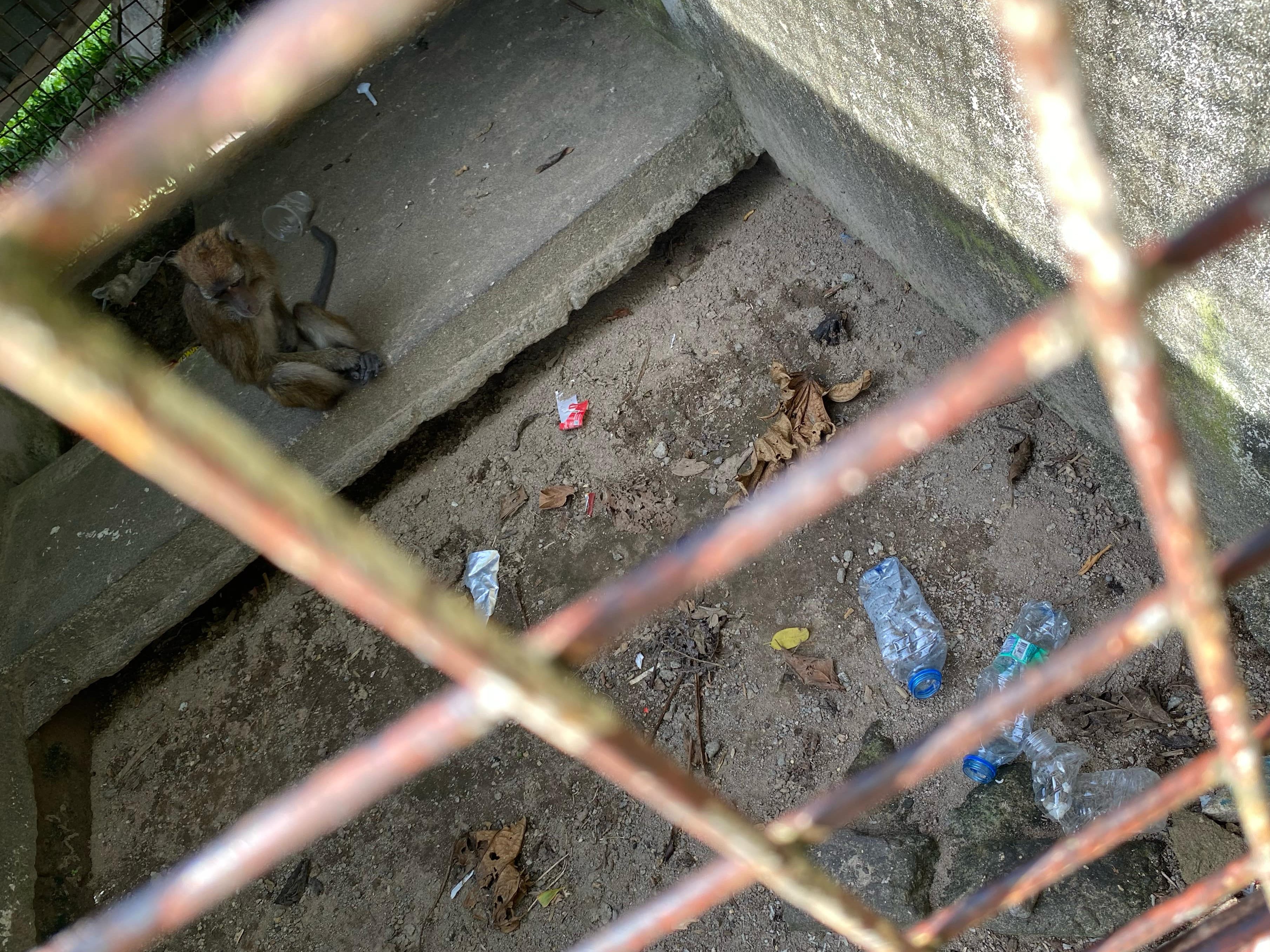
Another visitor, Chiara Sofia Baliatan echoed the concern, “the condition of the animals is not well,” she said, citing dirty cages, no water in enclosures, and a lack of proper care.
“It’s better to surrender them to the Bureau of Animal Industry (BIA),” Baliatan added, criticizing the LGU’s failure to maintain animal welfare.
One of the residents of Barangay Patag, Clyra Lozada, remembered the earlier days of the zoo when there were more animals.
“Now, there’s almost only one each left… if they couldn’t take care of them, might as well return them to those who are capable,” Lozada said.
Caretakers also confirmed that some animals were lost or stolen—including ducks, chickens, and even a crocodile—due to insufficient fencing and open surroundings.
“The surrounding is open, making it easy to enter,” they said.
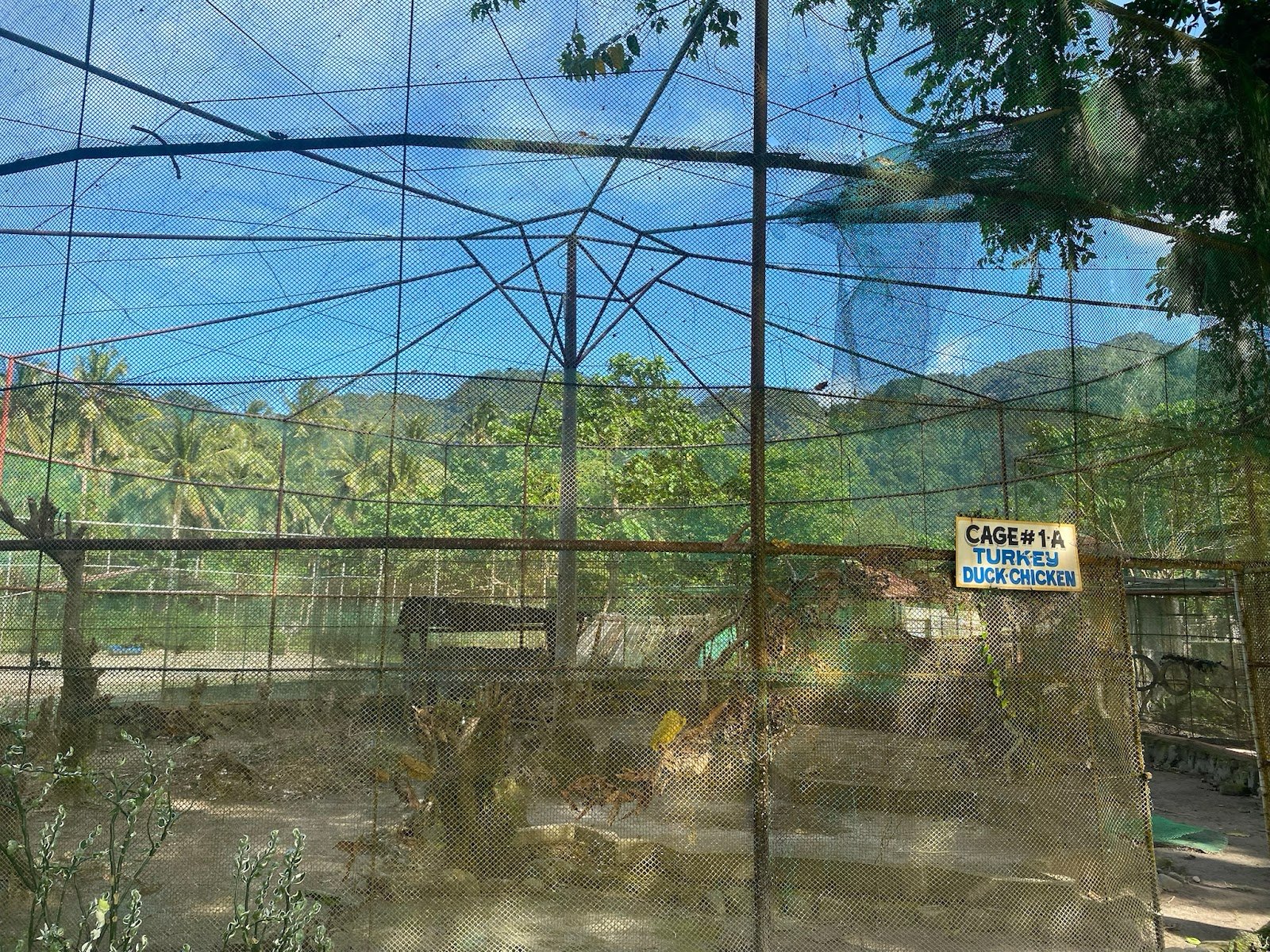
Visitor complaints include unclean facilities and injury risks, especially with children entering unsafe areas. Dioneda even shared a case of a child being bitten by an animal, raising concerns about barrier safety and design.
Interviewees unanimously called for improvements: better sanitation, secure fencing, more trained personnel, and animal-friendly enclosures. Some recommended turning over animals to national agencies if proper care can’t be guaranteed. However, when these concerns were brought to the attention of local authorities, there was no formal response, some officials declined to comment, while others appeared to avoid the issue altogether.

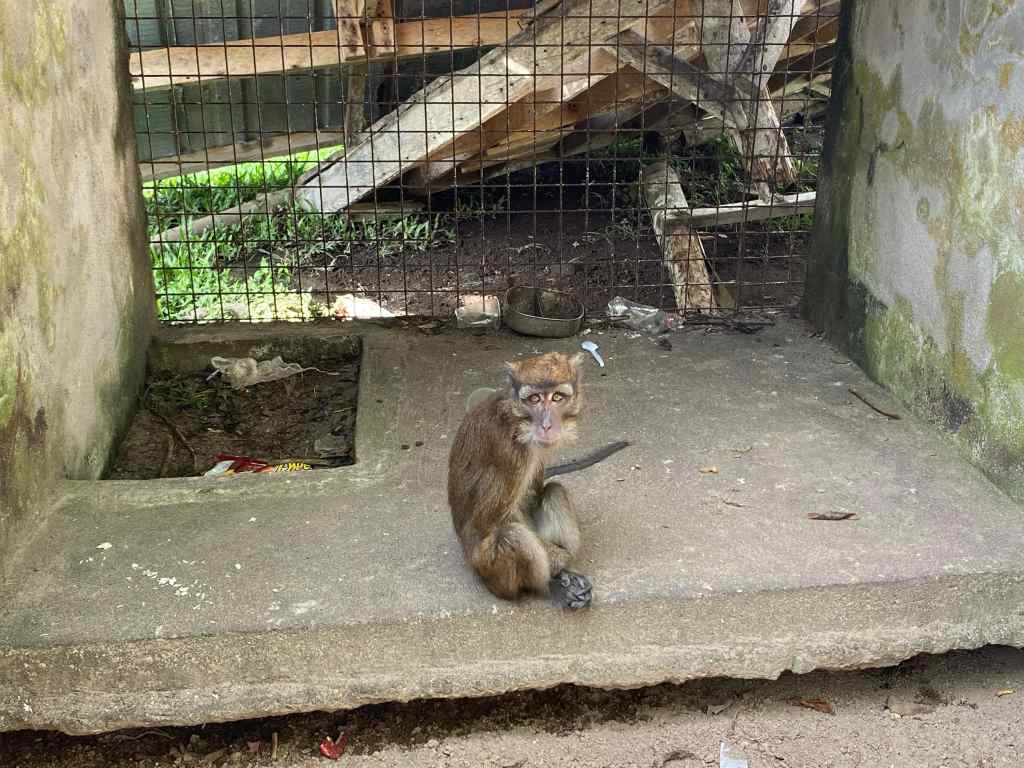
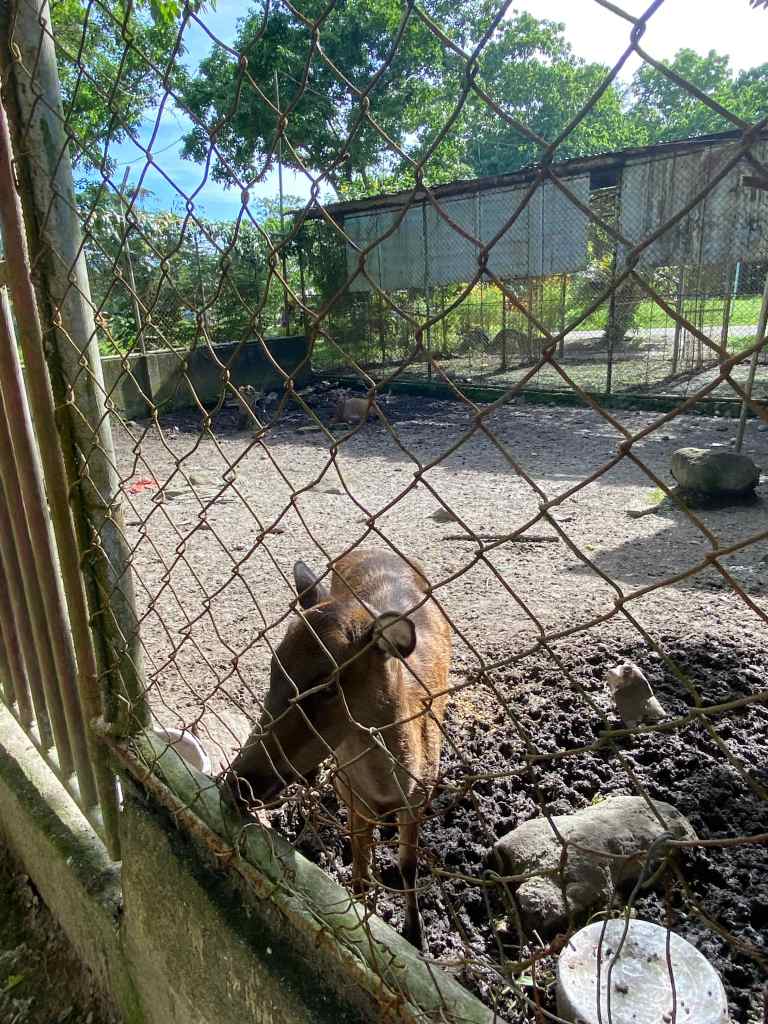
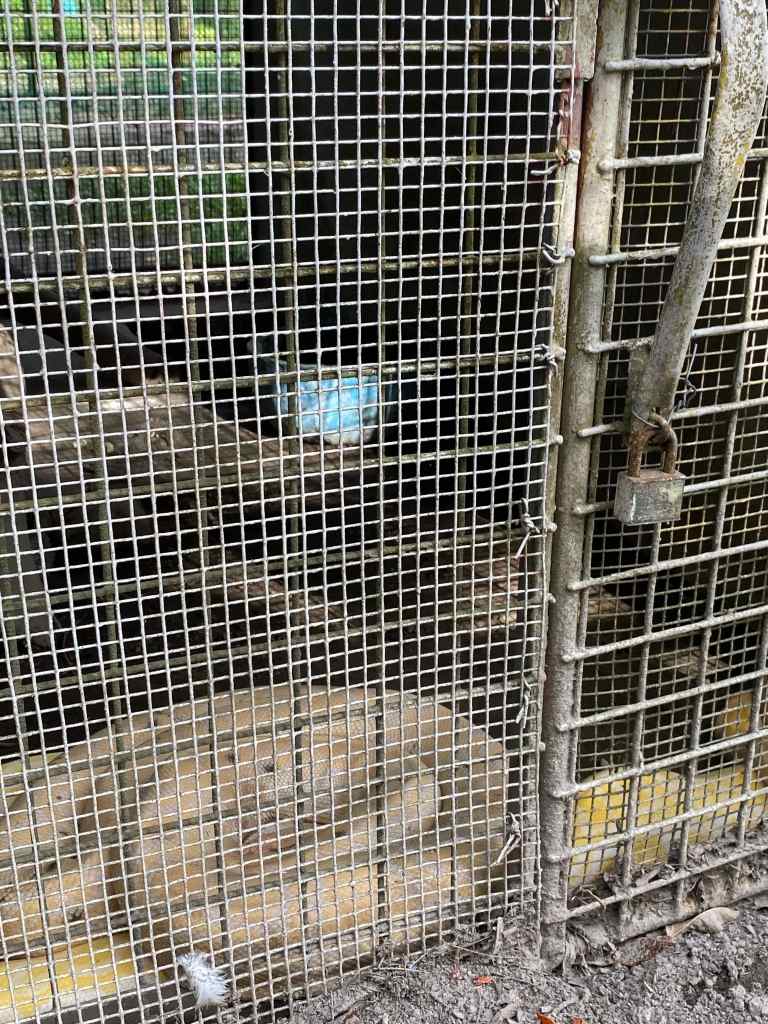
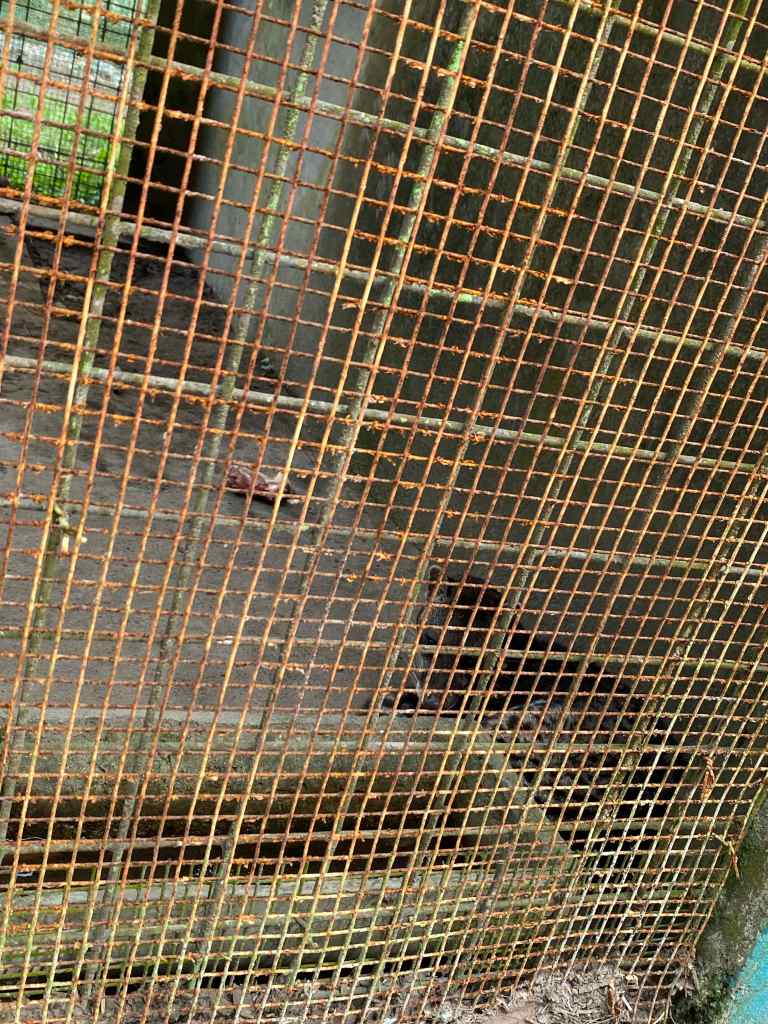
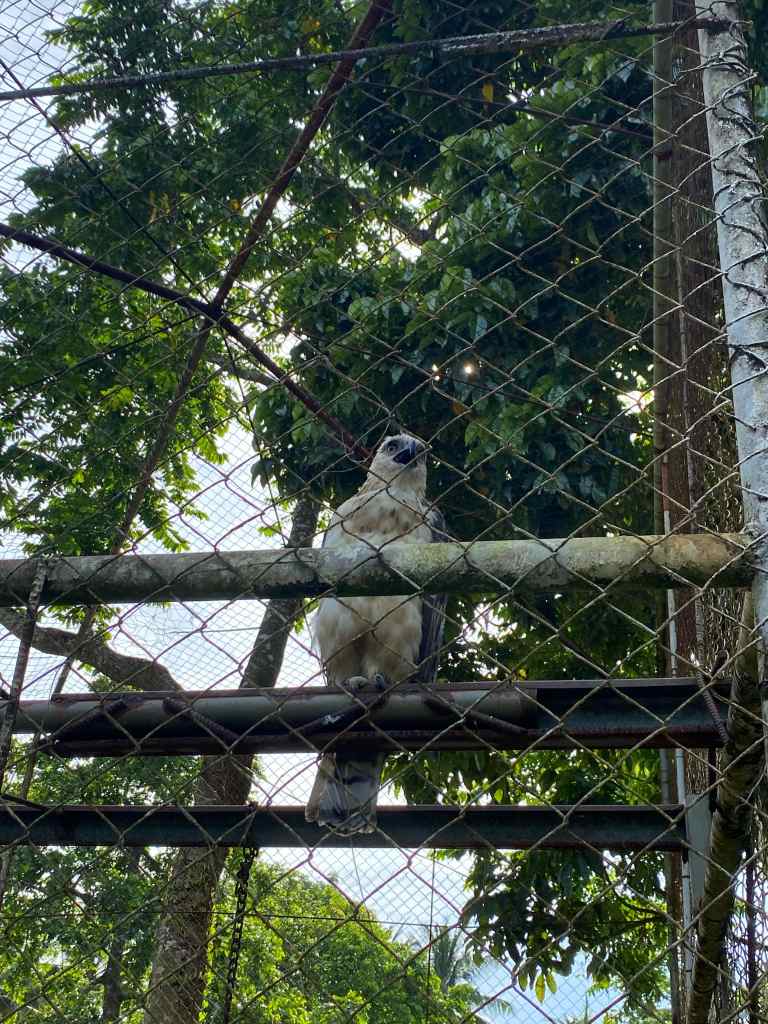
From its origins as a dumpsite to a sprawling ecological park, Irosin’s Eco-Zoo carries both promise and responsibility. As it stands now, the balance between functionality, tourism, and animal welfare remains a delicate one. Unless decisive actions are taken—whether through budget increases, external support, or structural reforms—the very animals it vows to protect may continue to suffer in silence.
Veterinarian confusion and expert insights
Dr. Ashley De Castro, the Provincial Veterinarian of Sorsogon, clarified that he is not the veterinarian assigned to the Irosin Eco-Zoo Park, contrary to what the Municipal Information Office had earlier stated. He expressed concern about the zoo’s operations and stated that he believes the zoo should be closed, knowing that there is no consistent veterinary presence for the animals.
On the other hand, Dr. Franz Colambo, a Veterinarian of Albay Park & Wildlife, confirmed that in their own Albay rescue facility, all animals are monitored daily, with structured teams assigned by animal type and condition. Dr. Colambo noted that most animals are rescued, donated, or turned over by DENR, and stressed the importance of constant observation for behavioral and health issues.
He admitted that wild animals tend to hide signs of illness so caretakers must be trained to spot subtle behavioral changes, such as food avoidance or aggression. While mortality still occurs, particularly in late-diagnosed cases, Dr. Colambo explained that proper staffing, training, and veterinary access can drastically reduce preventable deaths. He also noted that releasing animals back to the wild is a major goal, done with DENR approval during events such as World Wildlife Day.
While the Albay Park receives up to ₱300,000 worth of medicine and feed support from DENR yearly, Dr. Colambo clarified that funding and management fall under the Provincial Government of Albay. He emphasized the need for dedicated quarantine and veterinary buildings to improve care standards.
Call to animal care attention in wildlife rescue centers
Dr. Colambo is hoping that the administration would give more attention to the rescued animals’ health and safety and provide a bigger budget for the rescue center.
As for the animal rescue center in Irosin, Dr. Colambo mentioned that the zoo park is possibly subject to permanent closure due to incomplete documents and that there is no proper treatment of the animals. He also said that when he visited there with the DENR for their quarterly inspection, the management of the zoo asked him if he can take a few rescued animals to Albay since they can no longer cater and provide them enough care.
He said that it is better to bring the rescued wildlife animals to those who can take good care of them. Albay Park & Wildlife, as the main animal rescue center in Bicol, remains firm in their goals to keep all animals safe and ready before being released to their natural habitats. They are open to accommodate animals and make sure that they are taken good care of.
In wildlife & eco-zoo parks, they hang onto their saying: “Rescue. Rehabilitate. Release. Repeat—until the wild no longer needs us.”
 Bicol Daily News
Leave a comment