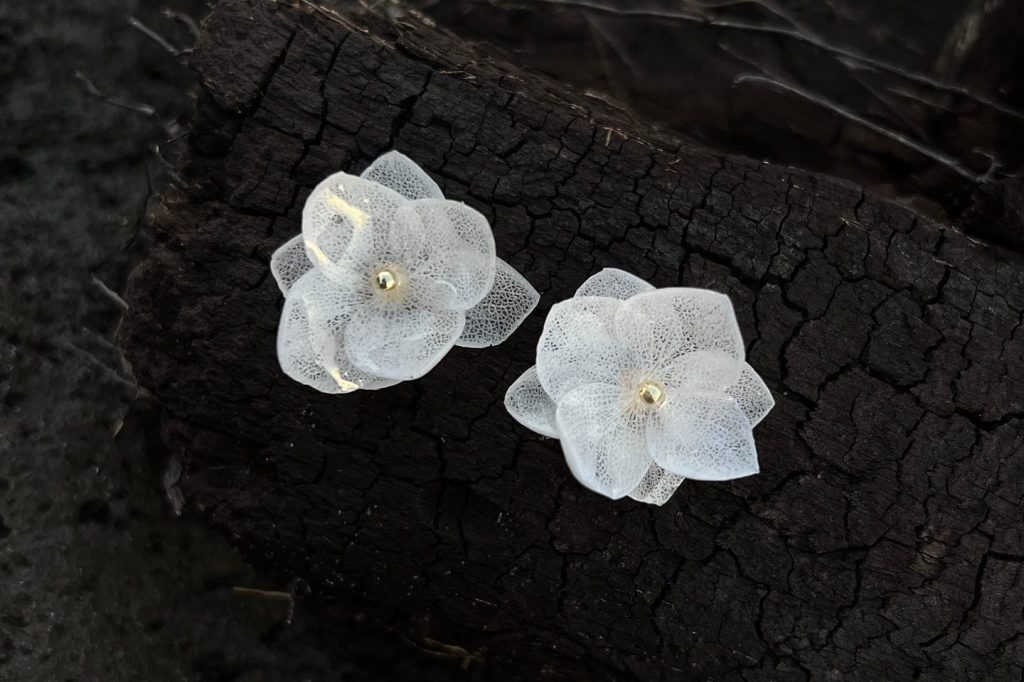
Photo Courtesy of Botanik Art + Nature.
by Alene Rod Arroz, Izel Manata, and Ella Mariz Miña
In an industry driven by plastic and synthetic materials, Botanik Art + Nature offers a deliberate alternative eradicating disposability in fashion. Based in Albay, this local enterprise transforms real flowers into distinctive accessories while upholding principles of sustainability, cultural integrity, and community empowerment.
Ian Ron Bello, 29, is one of the founders of the brand, which creates jewelry that emphasizes the natural beauty of Philippine flora – elements frequently disregarded in mainstream fashion.
Jonathan Nasser Hollon, also 29, co-founded the brand, which handcrafts each piece not only for its visual appeal but to express a profound connection to both nature and cultural heritage.
“Our culture is reflected in our environment,” Bello said. “If we lose our natural resources, we lose a part of who we are. This work is a form of preservation.”
Rejecting mass production in adherence to crafting pieces only when flowers are naturally available. This method limits waste and ensures that each product is made with intention and care. The brand also integrates sustainability into its packaging: instead of plastic or synthetic materials, it uses handwoven karagumoy boxes produced by women from the nearby municipality of Rapu-Rapu.
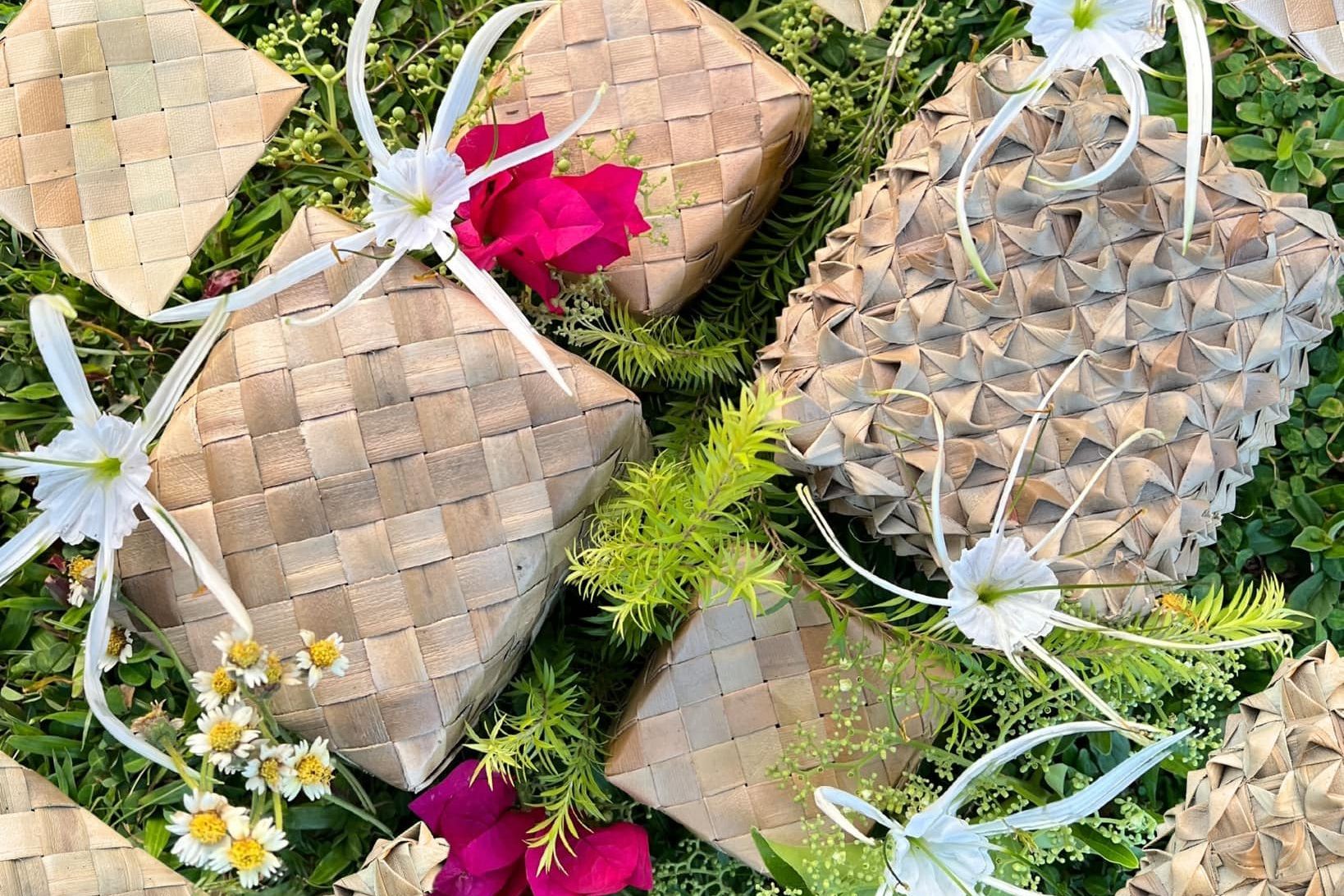
Photo Courtesy of Botanik Art + Nature.
This partnership does more than reduce environmental impact—it also provides a livelihood for women artisans and keeps local weaving traditions alive.
“Our packaging isn’t just functional. It reflects our commitment to sustainability and community,” Bello added.
Botanik targets individuals who value both design and ethical production—those who see fashion as a reflection of values, not just style. Each collection is built around a theme, often inspired by cultural stories or the natural environment, with materials chosen for quality and relevance.
What sets Botanik apart is not just its use of real flowers or eco-friendly packaging, but its consistent dedication to responsible practices. Every piece is rooted in purpose: to represent the richness of Philippine biodiversity, to support communities, and to shift how we think about fashion.
In a time when the fashion industry faces increasing scrutiny over its environmental and social costs, Botanik Art + Nature presents a quiet but powerful response—one that favors process over speed, substance over trend, and values over profit.
Sustainable Fashion to Aid Job Insecurity
One of the women artisans involved in Botanik Art + Nature shared that their work with karagumoy began through her husband’s family, who had long been engaged in the craft. Although she wasn’t initially part of the business, her mother-in-law took the time to teach her the skills needed to contribute. In the quiet village of Villahermosa, Lourdes Parado, 32, has found both home and purpose. Though originally from Acal, she moved to this coastal barangay after marrying and has since built a life centered on family, tradition, and quiet resilience.
Lourdes completed her college education at Rapu-Rapu Community College. Today, she dedicates most of her time to her role as a housewife, raising two children while contributing to local livelihoods in her own way.
Like many women in the area, she has become part of the intricate network of artisans who support sustainable brands such as Botanik Art + Nature. Her story reflects a broader narrative of how education, tradition, and modern opportunities intersect in rural communities where women are not only keeping culture alive but adapting it for the future.
She explained that the artisans in their community each have different roles. They are traditional weavers, typically creating items such as bayong (woven bags), mats, and occasionally, fans.
Their connection with Botanik started when representatives came to their area to assess the potential for a local project, which she recalled happened around the previous year. While there was no formal contract, they would be informed of how many boxes were needed. All the boxes were uniform in size, so the process involved simply completing the orders and sending them out.
She noted that the work wasn’t too exhausting, as it served more as a source of passive income. Her husband focused on farming and sometimes went out to fish, while she was able to earn from weaving without having to leave their home.
She considered the opportunity a blessing, saying that it gave her a small but steady income, all while being able to stay with her family.
“We began with the processing of buri, which was part of my spouse’s family business. Although I was not originally involved, my in-laws took the time to teach me the necessary skills. We produce a variety of items—typically traditional handicrafts such as bayong (woven bags), banig (mats), and sometimes pamaypay (fans).” Lourdes said.
Lourdes is one of the paragons that sustainability transcends beyond its very essence of continuity and preservation but the emergence of new opportunities and the undeniable omnipresence of aspirations for the women of her kind. Karagumoy is a symbolism that nature has a lot to offer only if seen by the pragmatic eyes.
Wearing Purpose: A Bicolana Advocate’s Integration of Sustainable Fashion and Environmental Communication through Botanik Art + Nature
The convergence of environmental awareness and cultural identity is exemplified in the integration of sustainable fashion through Botanik, a local Philippine brand that transforms real flowers into handcrafted resin accessories. This practice reflects a broader movement toward ecologically responsible design that draws from nature not as a resource to be exploited, but as a source of inspiration and collaboration.
One notable instance that captures this philosophy occurred during an Earth Day event in 2023 in Mirisbiris, where a sustainability advocate, immersed in a forest trail walk, was struck by the beauty of a flower lying along the path. Ms. Ally Apple Allison, a now frequent buyer first encountered the Botanik Art + Nature during an environmental event. She envisioned as a potential design for wearable art, and months later encountered Botanik’s creations, which had actualized that very vision. This highlights the fluid relationship between nature, design, and sustainability, demonstrating how everyday encounters with the environment can shape ethical consumption and creativity.
Sustainable fashion, in this context, extends beyond style into the realm of advocacy and education. As an advocate for the United Nations Sustainable Development Goals (SDGs), the individual referenced above integrates sustainability into her lifestyle by supporting products that are ethically produced, locally made, and aligned with environmental values. Her academic background in communications and environmental science informs her strategic use of fashion as a tool for narrative building and public engagement. By wearing Botanik’s accessories during professional appearances and public forums, she introduces sustainability in a visually compelling and culturally grounded manner. This approach bridges the gap between policy discourse and public interest, demonstrating that fashion can function as a communicative device for environmental messaging. In this way, sustainable accessories become more than adornment; they serve as entry points for critical discussions on climate, biodiversity, and Filipino artisanal heritage.
“You wear your advocacy” as she expounded on how integral it is to wear sustainability and living up to the advocacies by not merely advocating them but living with it holistically. She had also reminded about the proclivity of Filipinos to buy more than what is needed.
“It’s good that the materials used for the accessories are sustainable, and you want to collect them, but it’s also important not to go overboard with what you really need and will use.”
Sustainability should not justify consumerism and erase the capitalistic factor on it because it will defeat the very purpose of it being sustainable.
Botanik distinguishes itself through a model of ethical craftsmanship that respects ecological limits. The brand sources its materials by gathering naturally fallen or seasonally abundant flowers, avoiding harmful extraction practices. These floral elements are then preserved through careful resin work, yielding pieces that are both unique and sustainable. This approach resonates with contemporary principles of slow fashion, which emphasize quality, transparency, and environmental stewardship. The artisans behind Botanik are not only designers but also active participants in promoting sustainability and community empowerment. A deeper understanding of sustainable fashion also necessitates a reflection on consumption habits. The concept of “cost per wear” reinforces the idea that mindful purchasing should account for frequency of use and the broader impact of ownership. Symbolic pieces, such as jade vine earrings worn on international stages, serve not only as personal expression but also as embodiments of national identity and environmental consciousness. These wearable narratives offer a model for how fashion can be a platform for both advocacy and cultural diplomacy.
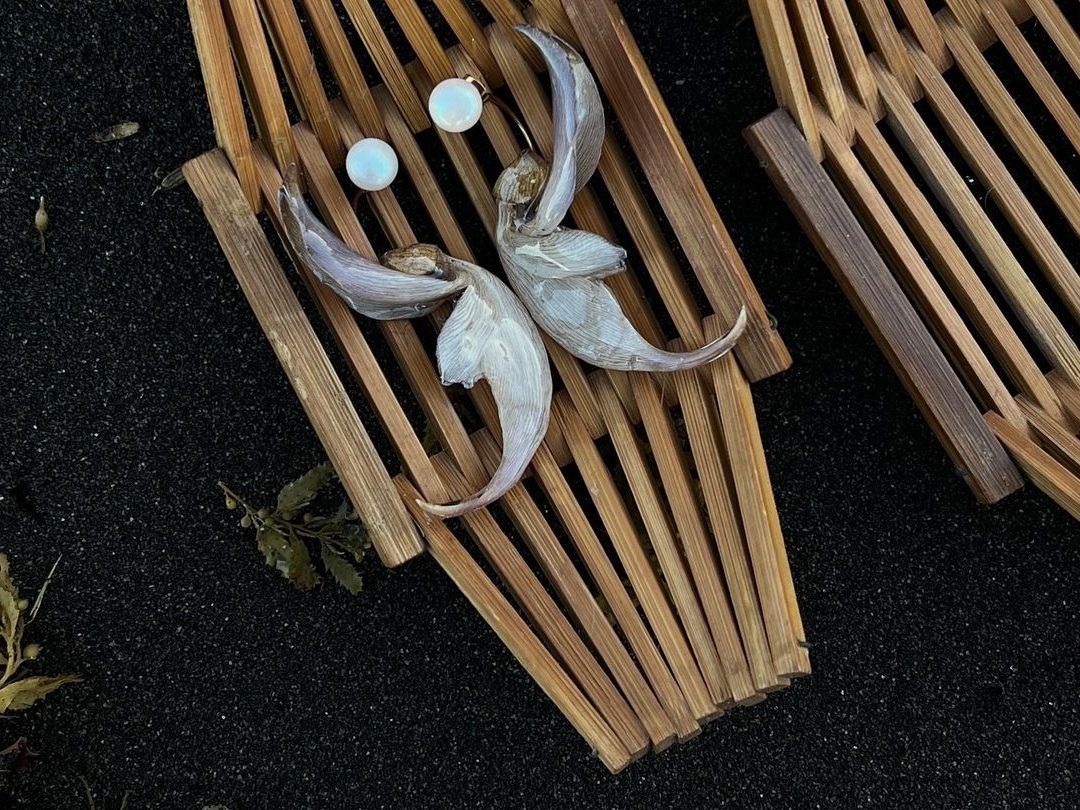
Photo Courtesy of Botanik Art + Nature.
Looking Ahead
Sustainable fashion advocates continue to call for the expansion of locally rooted brands like Botanik to include statement pieces that highlight the rich biodiversity of the Philippines. Necklaces, pendants, and other forms of body adornment can further amplify messages of heritage and ecology. This vision treats fashion as a medium that educates, preserves, and communicates. Personal campaigns such as #PHASSION (Philippine Fashion) aim to amplify this philosophy by showcasing the work of Filipino artisans while supporting circular and conscious consumption. Through these collective efforts, sustainable fashion transcends the realm of trend and becomes a vehicle for lasting social and environmental transformation. In wearing these creations, advocates do not merely reflect their style but articulate a broader commitment to sustainability, community, and national pride.
In recent years, sustainable fashion has emerged as a growing countercurrent to fast fashion, offering environmentally and ethically responsible alternatives. In the Philippines, Botanik Art + Nature serves as a notable example of a small-scale brand embracing sustainability not only through material choices but also through cultural relevance and localized socio-economic impact.
The incorporation of actual flowers into jewelry required an extensive process of experimentation. Without formal training, the founders employed trial-based methods to discover effective techniques for preserving botanical elements. They use silica sand to remove moisture from the flowers before encasing them in resin. This process is necessary to prevent mold and degradation, although not all flowers respond positively. Some specimens change color or texture upon contact with resin, introducing both challenges and opportunities for design variation.
More than a creative endeavor, Botanik’s work reflects an ecological ethic. Rather than sourcing imported blooms, they highlight local and endemic species, such as the jade vine (Strongylodon macrobotrys), which originated in the Philippines. The emphasis on native plants underscores a broader environmental narrative, one that brings visibility to underappreciated botanical resources.
Sustainability within the brand is also evident in its packaging. Botanik uses karagumoy, a durable, biodegradable fiber indigenous to the Bicol region. This material, traditionally used in mat weaving, is now repurposed into boxes crafted by women in the island municipality of Rapu-Rapu. By shifting production from full mats to high-value packaging, these artisans gain increased income while continuing traditional practices. The arrangement allows them to sell their work at higher margins, encouraging both economic independence and cultural preservation.
Botanik’s production model is intentionally limited. Designs are released seasonally, and quantities are restricted by material availability. This non-mass production strategy aligns with current principles of slow fashion and avoids overproduction. Furthermore, the use of hypoallergenic metals and real pearls from Palawan and Cebu reinforces the brand’s commitment to natural materials.
Each collection is anchored in cultural narratives. Themes drawn from local folklore, mythology, and colonial history provide conceptual foundations for the designs. Collections such as Diwata, Maguindara, and Recuerdo are more than aesthetic explorations. They serve as vessels for cultural memory and environmental consciousness.
Although Botanik operates on a modest scale, its impact is multidimensional. Environmentally, it promotes awareness of native biodiversity. Economically, it supports women in island communities through fair compensation and dignified labor. Culturally, it contributes to the revival of traditional crafts and the valorization of indigenous knowledge.
In an era when sustainability is often commodified, Botanik Art + Nature offers a grounded, practice-based model of ethical design. Its approach demonstrates that meaningful environmental and social contributions can originate from small, creative enterprises deeply embedded in their local contexts.
 Bicol Daily News
Leave a comment