San Vicente’s Long Wait for a Water Breakthrough
By: Katrina Dela Torre, Alexa Orbaña, and Michael Josh Toledo
“And in a place where water is life, even small steps toward a sustainable source mean everything.”
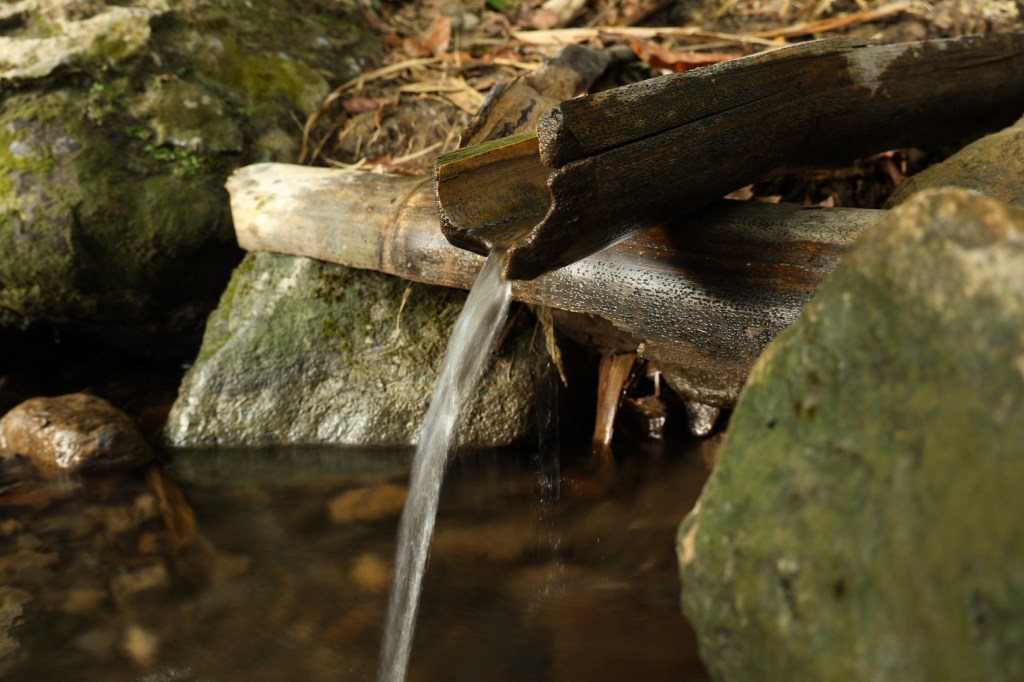
Water Springs, called “Sagurong” or “Burabod” by locals put bamboo splits that redirects fresh, clear, flowing water to provide a little chamber for water collection.
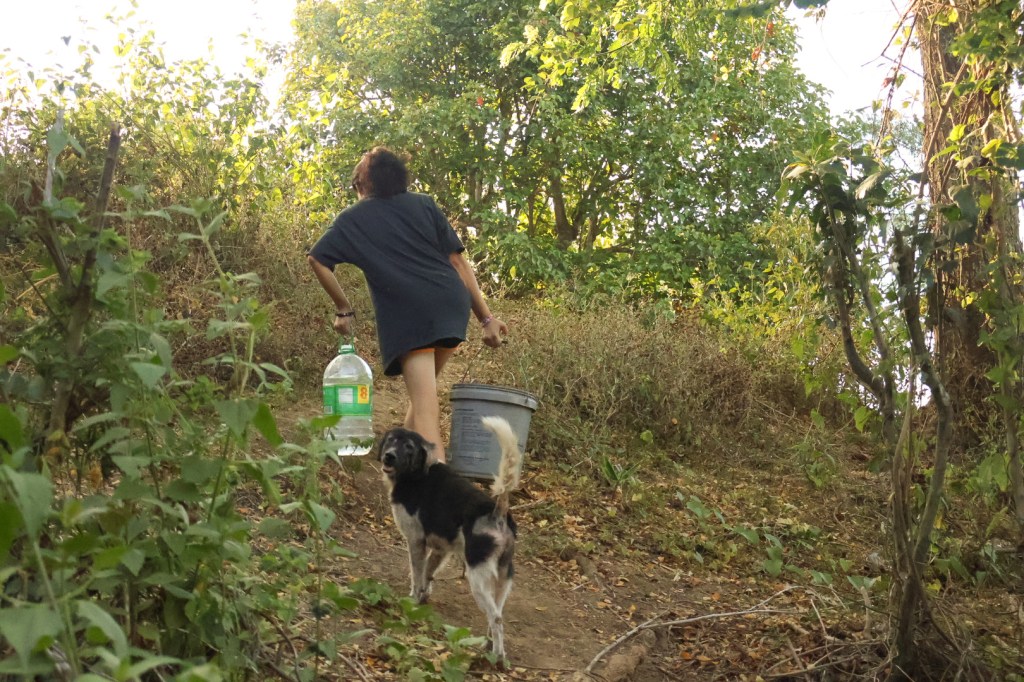
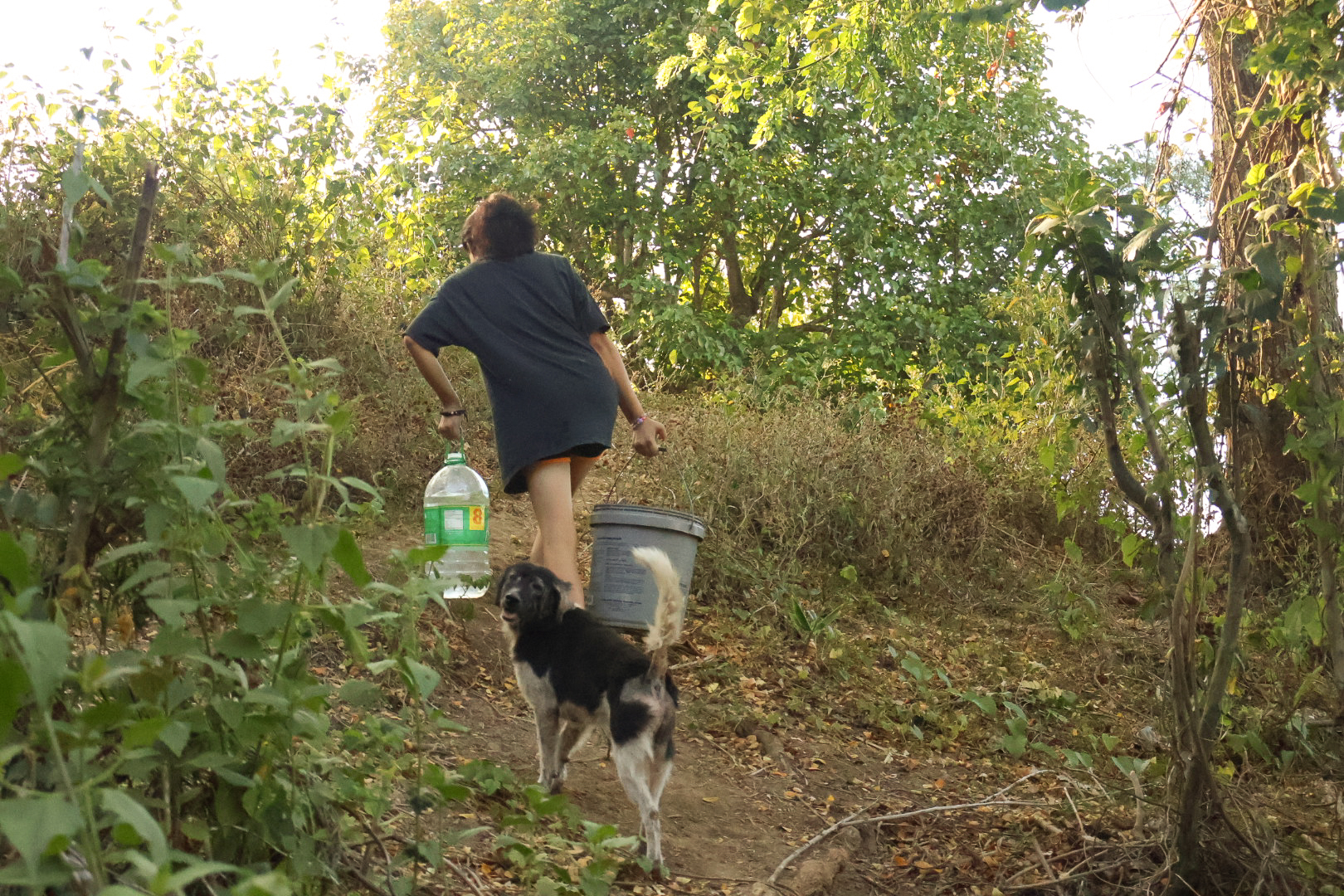
Every morning, Claudio Mendoza, 70, walks the familiar path to the old spring in the hills of San Vicente, Libon, hoping to find enough water to fill his containers. What was once a steady and generous flow has dwindled into a fragile trickle—barely enough for cooking, cleaning, and drinking.
Like many in his community, Mendoza has witnessed the gradual weakening of the spring that sustained generations before him. Now, as El Niño tightens its grip and land ownership restricts access to this vital source, the people of San Vicente find themselves in a quiet but urgent struggle—not only for water, but for the right to reclaim what they believe is rightfully theirs. In this small rural barangay, residents have long depended on the mountain springs as their main water source. But with climate shifts bringing hotter, drier months, and the waterways eroding over time, the once-reliable supply is becoming harder to access.
“When I was still a child, the spring used to have a strong flow, and the waterways from the spring were wide. But now, the water is weak, the waterways where the water used to pass through have collapsed, and the riverbanks have eroded,” Mendoza shared, his tone carrying both memory and concern.
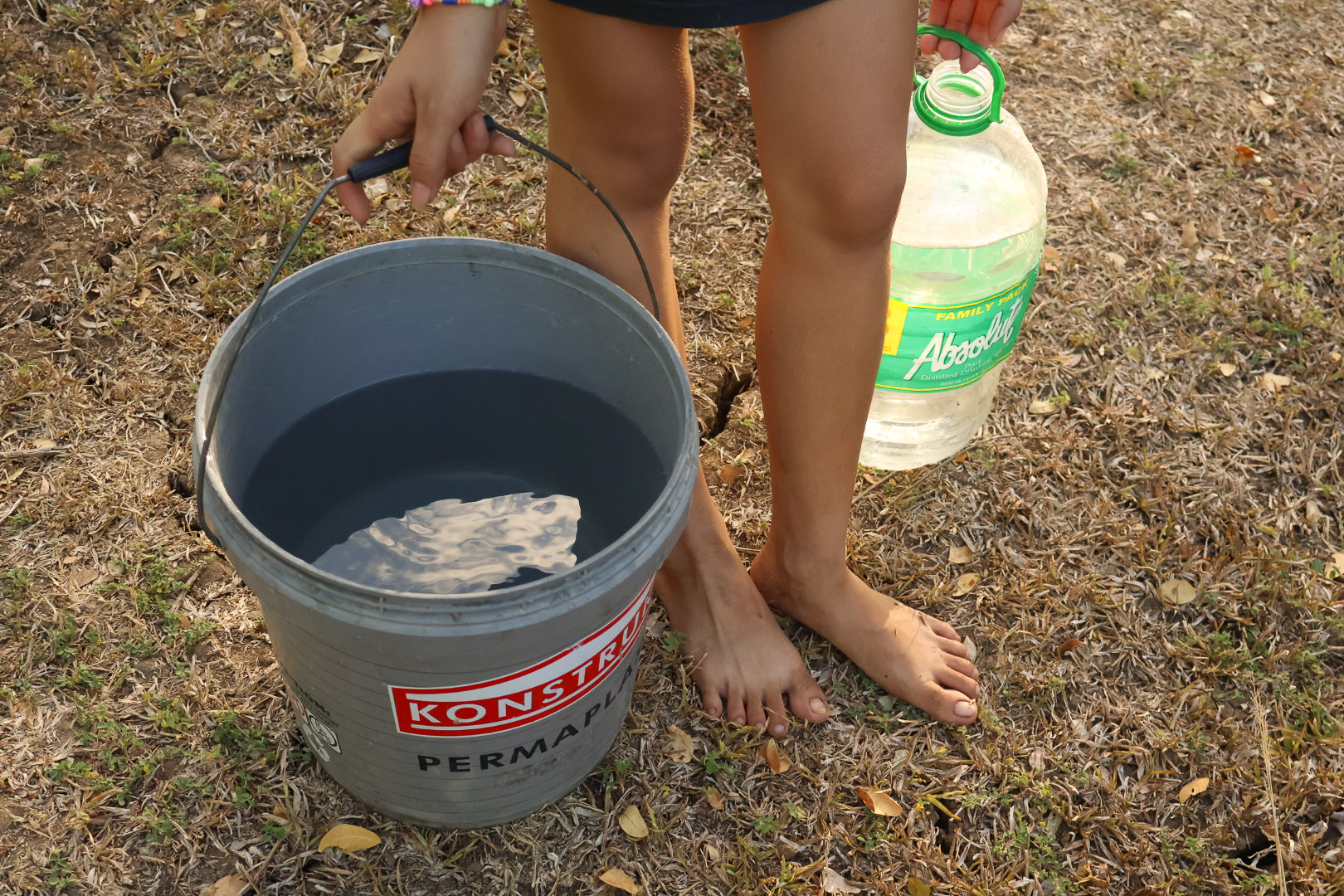
The problem is not only environmental. The spring—once a public lifeline—is now located on land privately owned and managed in the upper elevations of San Vicente. As a result, community members can no longer access it freely. This restriction has deepened the crisis, leaving residents to depend on limited alternatives such as rationed deliveries or makeshift wells that often fall short of their daily needs.
For Mendoza, the solution is both simple and symbolic: grant the people a fair share of what once belonged to them.“For example, like spring water, 50% of it should be for the residents. The government should allocate fifty percent for the people,” he asserted.
His call reflects a broader sentiment in the community—that water is not just a resource, but a right, especially when it flows through the land they’ve lived on for generations. As El Niño continues to strain resources and the spring’s future remains uncertain, the residents of San Vicente stand united—not only in their search for water, but in their hope that justice, equity, and sustainability will also begin to flow.
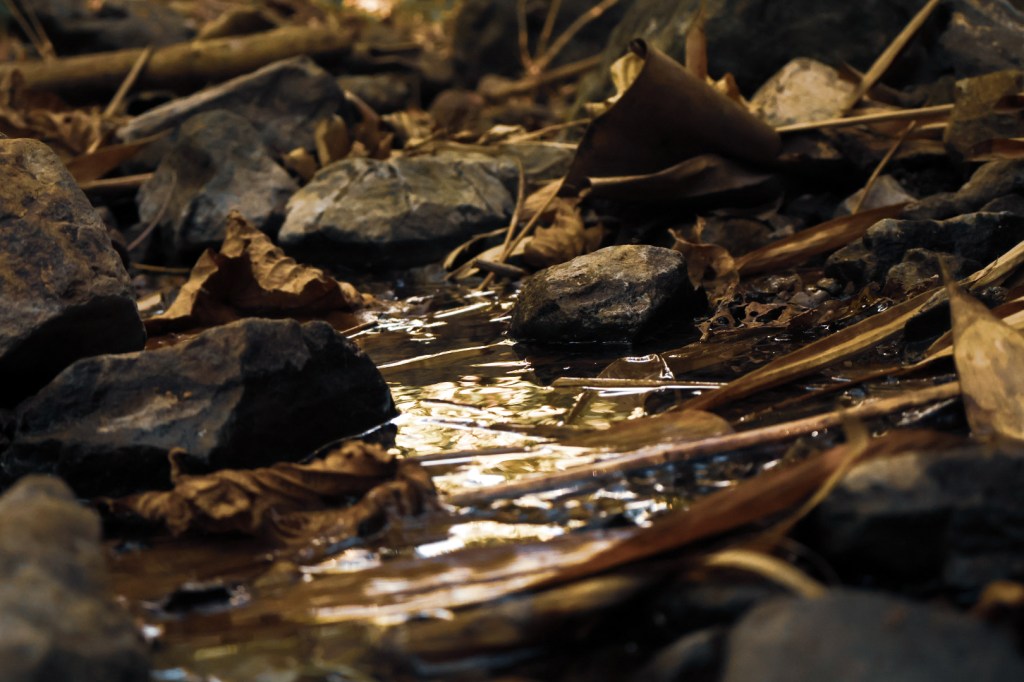
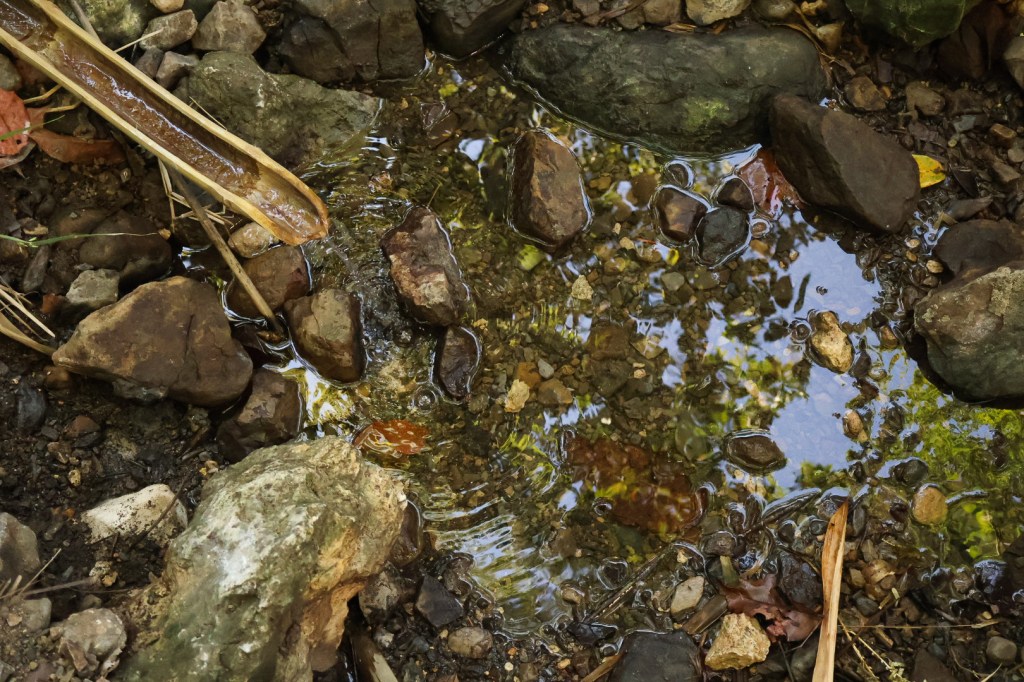
Hope beneath the surface
The ongoing water shortage caused by the unpredictable changes in weather and the absence of sufficient and stable water sources due to unforeseen circumstances has become a serious and pressing challenge for the daily lives and well-being of the residents of San Vicente. It affects not only their basic needs, but also impacts their livelihood and overall quality of life.
According to Josephine Pais, a 27-year-old resident of San Vicente, Libon, Albay, the water crisis they are experiencing is far from easy. During the dry season, they are often forced to wait and hope for the arrival of water, which severely affects their daily routines. The lack of water makes it difficult for them to carry out their everyday responsibilities, leading to inconvenience for her and her family.
“We were just waiting. In the morning, there’s no water. It only comes around noon. We really have to wait just to be able to bathe or do the laundry. We should’ve stored water at night because by next day, there wouldn’t be any left.” Pais said.
Each day, their wait for water is filled with uncertainty—no clear sign of when it will come, or if it will come at all. What should be a basic necessity has become a daily burden, a challenge they are left to face and endure with patience.
In the midst of this struggle, they believe that what they truly need is a project that would bring them a nearby and free source of water—something reliable, something they can finally count on.Shiellmy Orbaña, a resident also from San Vicente, Libon, Albay, aims for the establishment of a proper and reliable water system—one that is not only dependable but also easily accessible and located near the community for the residents’ convenience.
“We hope to be given a proper water system here, one that’s no longer up in the mountains, so it would be closer and easier to access.” Orbaña said.
Mountains are more than towering landforms—they are life-giving pillars of nature that serve communities in quiet yet powerful ways. From providing clean water to supporting agriculture, sheltering wildlife, and offering spaces for reflection and beauty, mountains are deeply tied to the well-being of people. Their forests regulate the flow of water, prevent disasters, and sustain livelihoods, making them vital to both human life and the environment.
According to Novel Aban, Forester III of PENRO Albay, water from the mountains is essential for maintaining environmental balance, supporting basic needs like food, shelter, and wildlife habitat. Sustaining its continuous flow requires reforestation, forest protection, and proper management by stakeholders.
“Importance of water in the mountain will eventually contribute to the evolution of the environment, particularly the balance of the basic needs such as food, shelter, aesthetic values, as well as improved habitat of wildlife flora and fauna.” Aban said.
“Continuous flow of water in the mountain can be maintained by enriching its forest cover through forest development such as reforestation and likewise forest protection and to include the proper management by local and various stakeholders.” He added.
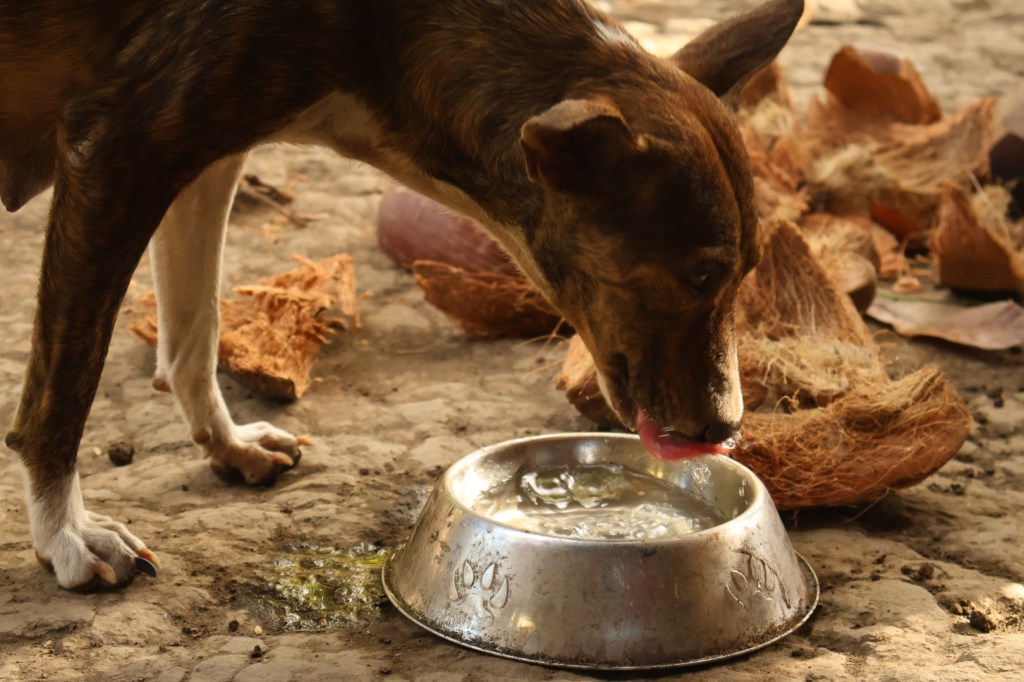
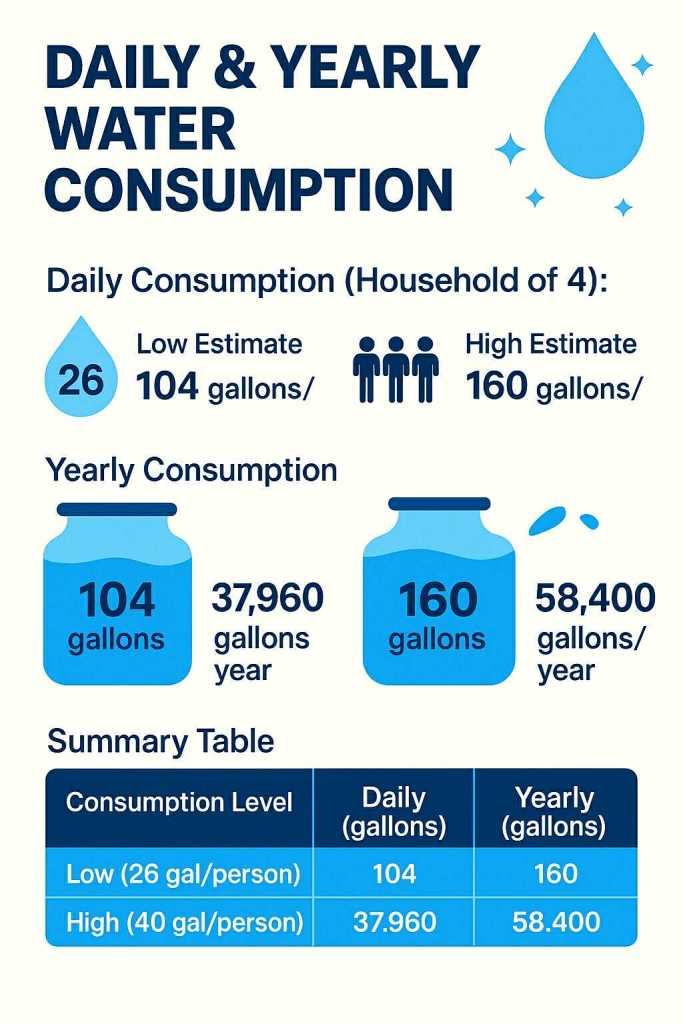
According to the US Geological Survey (USGS), daily water consumption can vary widely depending on usage habits. On average, a household of four people uses between 104 to 160 gallons of water per day. This adds up to an estimated 37,960 to 58,400 gallons per year. The data highlights how much water is used in daily life and serves as a reminder of the importance of using water wisely to ensure sustainability.
Progress in the pipeline
In Barangay San Vicente, water doesn’t flow as it should. For most of its 724 households, daily life means working around water shortages — fetching water from distant sources, storing it in containers, and rationing every drop. Only two households currently have active water connections, and the dream of reliable access remains out of reach for most.
A proposed water system project has raised hopes, but it’s not without complexity. While a new treatment plant is being planned near the Talisay sub-watershed — a critical ecological zone — the facility is primarily intended to serve the poblacion, or town center, and its nearby areas. Barangay San Vicente, though situated within the sub-watershed’s reach, will not be a direct beneficiary of that system. This reality adds weight to a different challenge: the responsibility of the barangay itself to find and manage its own sustainable water sources.
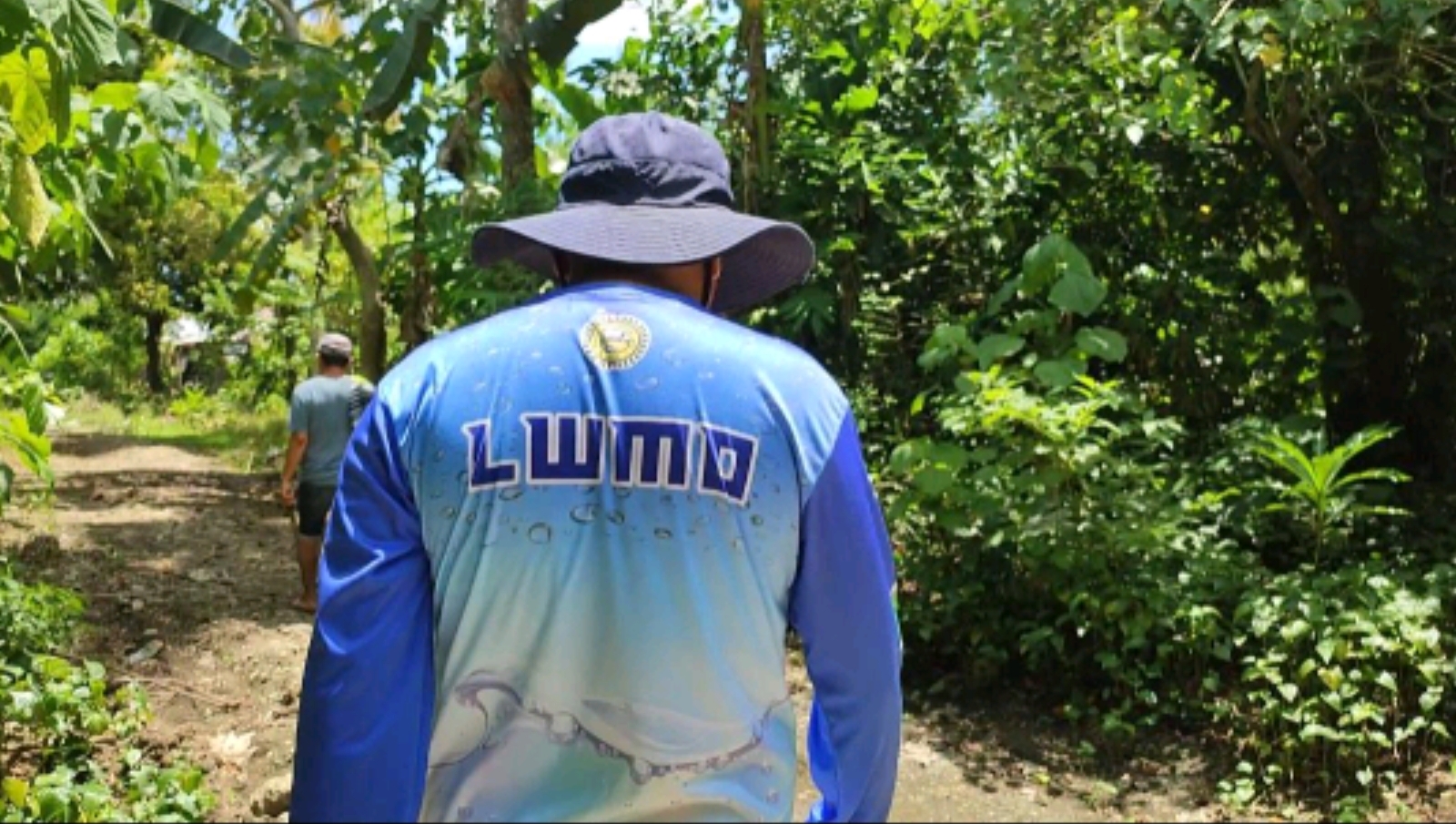
According to the Libon Waterworks Management Office, the task of identifying and developing adequate water resources in San Vicente falls under the barangay’s jurisdiction.
“We highly recommend and expect the barangay to take the lead,” said Engr. Engilbert Ablan, Supervisor of the Waterworks Office. He explained that while broader efforts are underway across Libon, San Vicente’s situation requires local initiative — a mandate not just for planning, but for action.
Barangay Secretary Cheriel R. Buere acknowledges the need. “We have a water system project, but it hasn’t been implemented yet because of the election — there will be new management soon,” she said. Despite this, she remains hopeful that new leadership will prioritize the issue.
“Once implemented, this project could be a game-changer for our community,” she added, echoing the aspirations of residents who have long adapted to scarcity. Though the solutions are still forming — and the burden falls heavily on the barangay — there is momentum.
Discussions are happening, strategies are being explored, and the community is staying engaged. For San Vicente, hope doesn’t just lie in a pipeline, but in the capacity of its people and leaders to meet the challenge head-on. And in a place where water is life, even small steps toward a sustainable source mean everything.

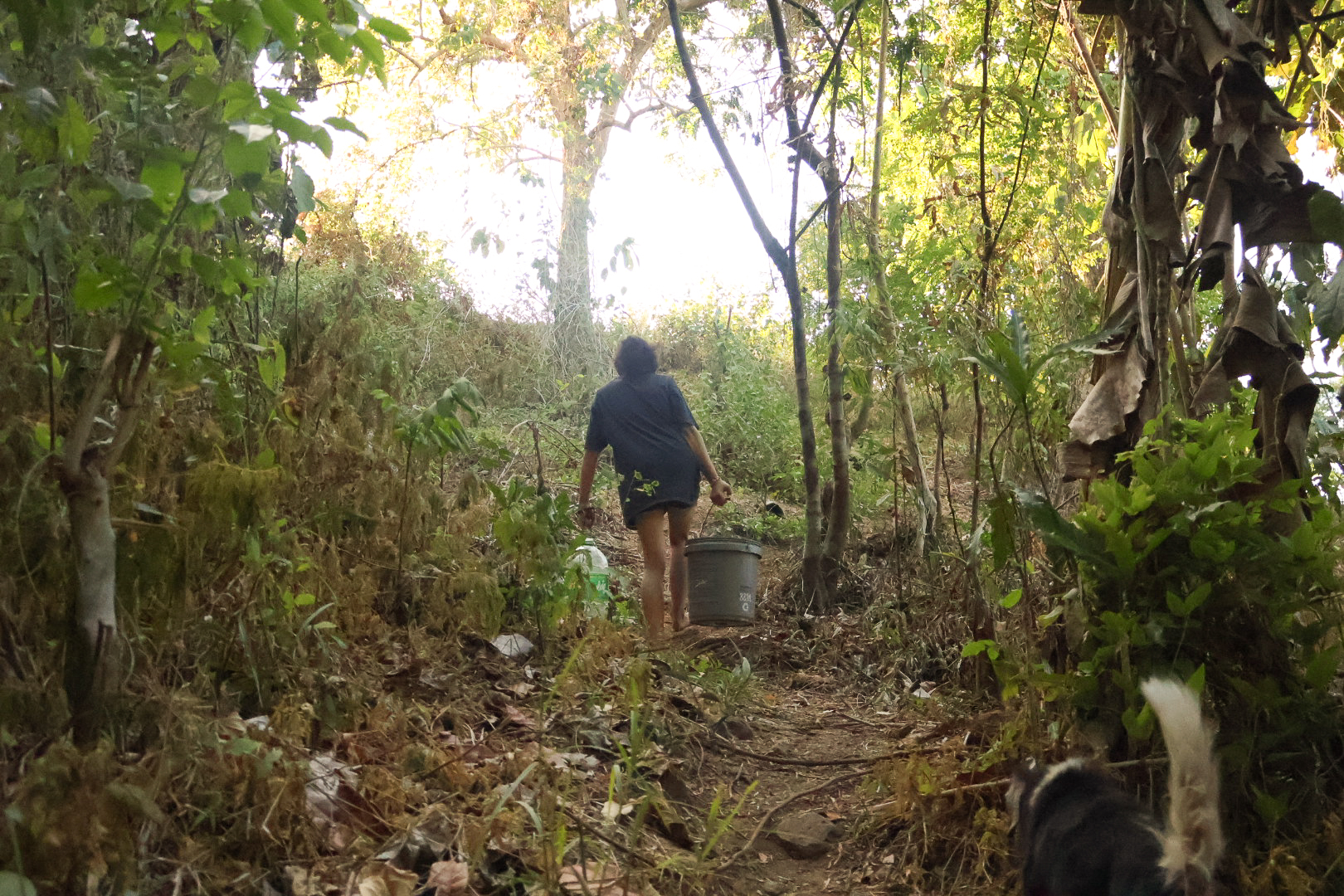
Curious how fresh spring water formed? Here’s a short video!


 Bicol Daily News
Leave a comment