via Rashi Alain Arciga & Liane Gabrielle Oprecio | May 27, 2025, 02:12 P.M.
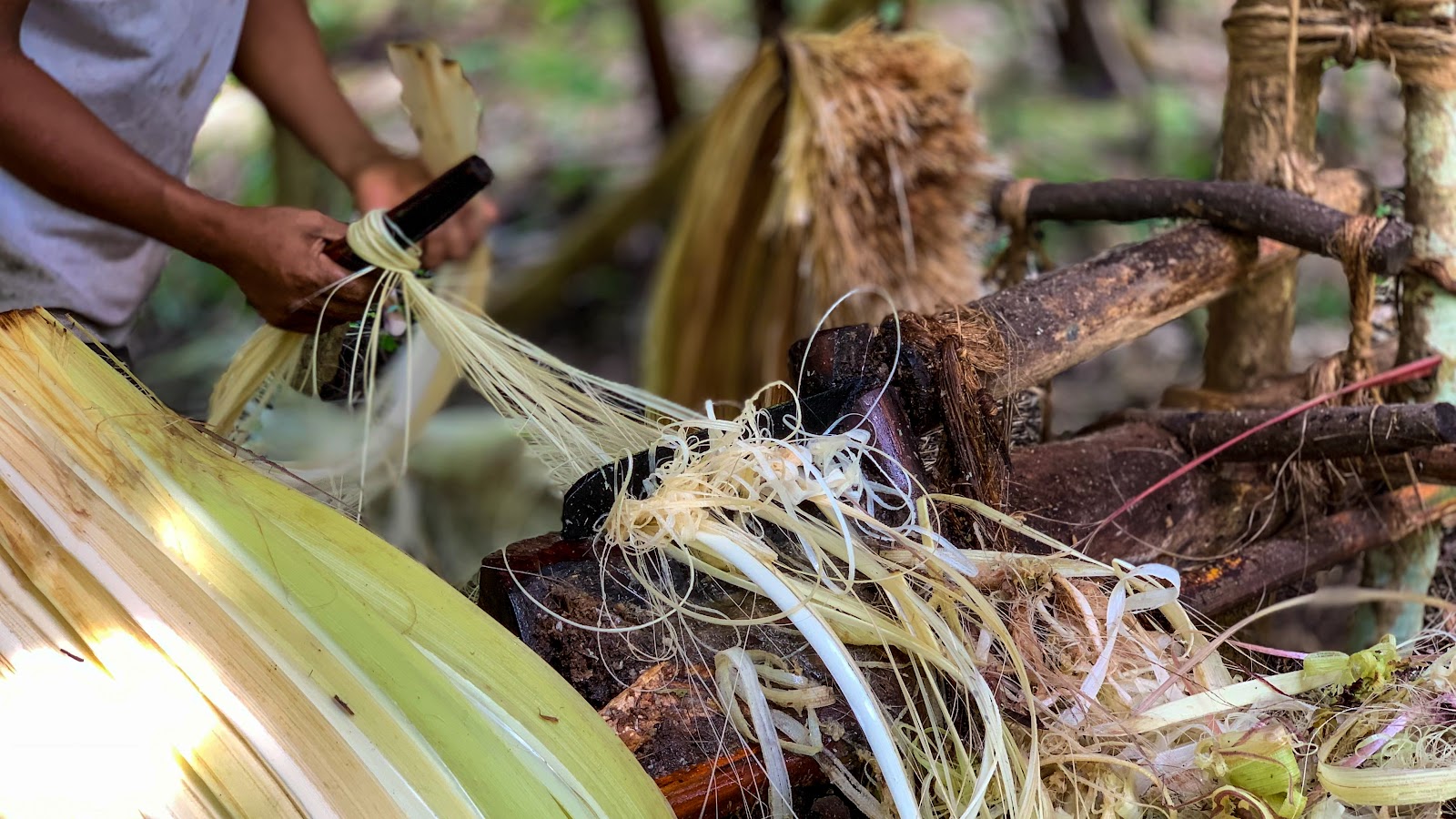
Abaca production in Barangay Basagan, one of Tabaco City’s major fiber-producing areas, is under mounting pressure due to worsening environmental conditions, outdated farming tools, and a market system that continues to place local farmers at a disadvantage. The Basagan Abaca Nursery serves as a key site where abaca farming and production remain among the primary sources of income for many Tabaqueños.
These are the same issues confronting the abaca nursery, where farmers struggle to combat environmental challenges alongside production, trade, and promotional progress. Despite the strong market demand in the industry, farmers at Basagan struggle to meet production needs due to implicit exploitation as they labor amidst low wages, a strict grading system, and an unstable market for their products. An unfair market system that farmers fail to see, much less question, as they work not to be rich but to survive.
Narciso Clerigo, an abaca farmer for nearly twenty years, explained that while the wholesale system allows the farmers to retain 60% of the yield and keep the lower-grade black abaca as additional income and companies keep the remaining 40%, their earnings remain constrained by fluctuating market prices and trader-controlled buying rates.
Grasping Hurdles
It’s one thing to need sustainable income, but it is another to face environmental threats. Unfortunately, for farmers like Clerigo, their means of living are not just compounded by the low-value trade of abaca fibers between farmers and middlemen in the market, but also because of the worsening effects of climate change, soil degradation, pest infestation, and plant diseases.
For Eduardo Brasia, a skilled abaca cultivator and farmer from Basagan, one of the major causes of fiber loss comes from excessive rainfall, especially during off-season months, where weather is another challenge in the abaca industry. When typhoons hit, they often snap the abaca stalks in the middle. Once broken, these shortened stalks become nearly useless — no longer fit for stripping, no longer saleable, and considered defective.
In abaca production, rain is both essential and a threat to the crop. On one hand, consistent rainfall is vital for the crop’s nourishment, ensuring healthy fiber growth. According to Brasia, the wet season, particularly the “ber” months, is the time when they plant abaca, as the weather is more favorable for soil moisture and early crop development.
However, the same rain they hope for during the wet season is the very rain they dread during the dry season—when typhoons, instead of summer, arrive unreasonably and destroy crops just as the season is meant to shift toward harvest and recovery. Thus, on the other hand, excessive rainfall—particularly during off-season months—can damage the crop, wash away nutrients, and increase the risk of plant disease.
On the traders’ side, one of the major concerns raised was the quality of abaca produced by farmers.
“Some fibers arrive wet, sometimes even intentionally soaked to add weight. Once opened, the fiber becomes discolored and downgraded, leading to lower prices,” Lea Laceda, Tag Fibers Corporation-Tabaco Branch Supervisor explained.
Suppliers often absorb the financial losses, purchasing abaca directly from middlemen. While the exact figures were not disclosed during the interview as the source declined to provide details, it was noted that farmers remain largely unaffected by these issues due to the way the supply chain is structured.”
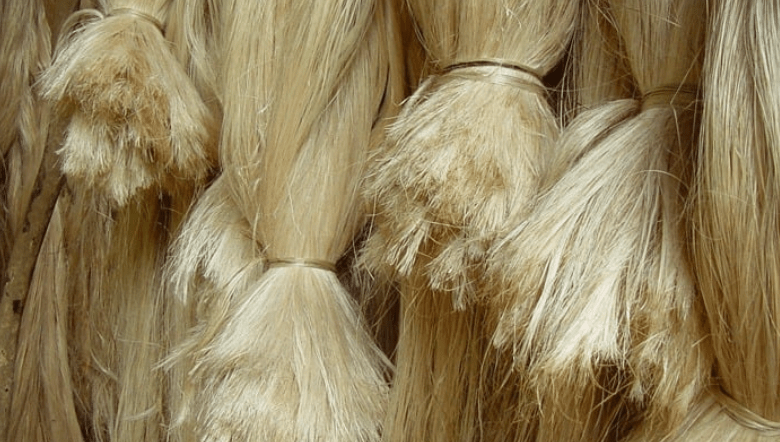
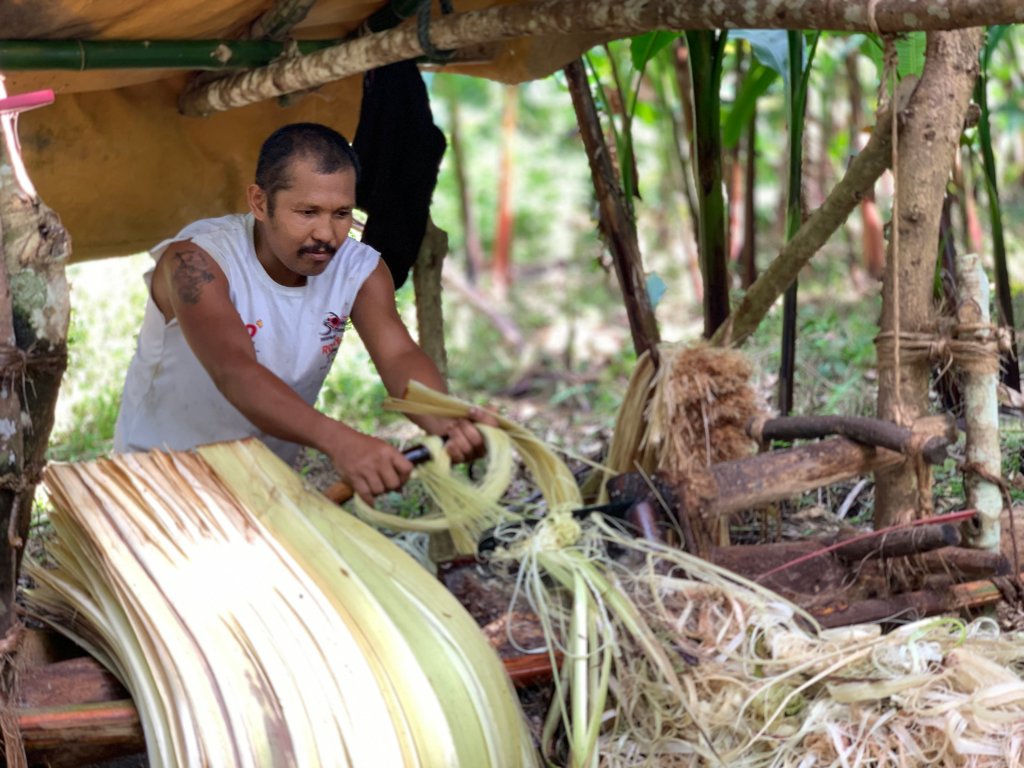
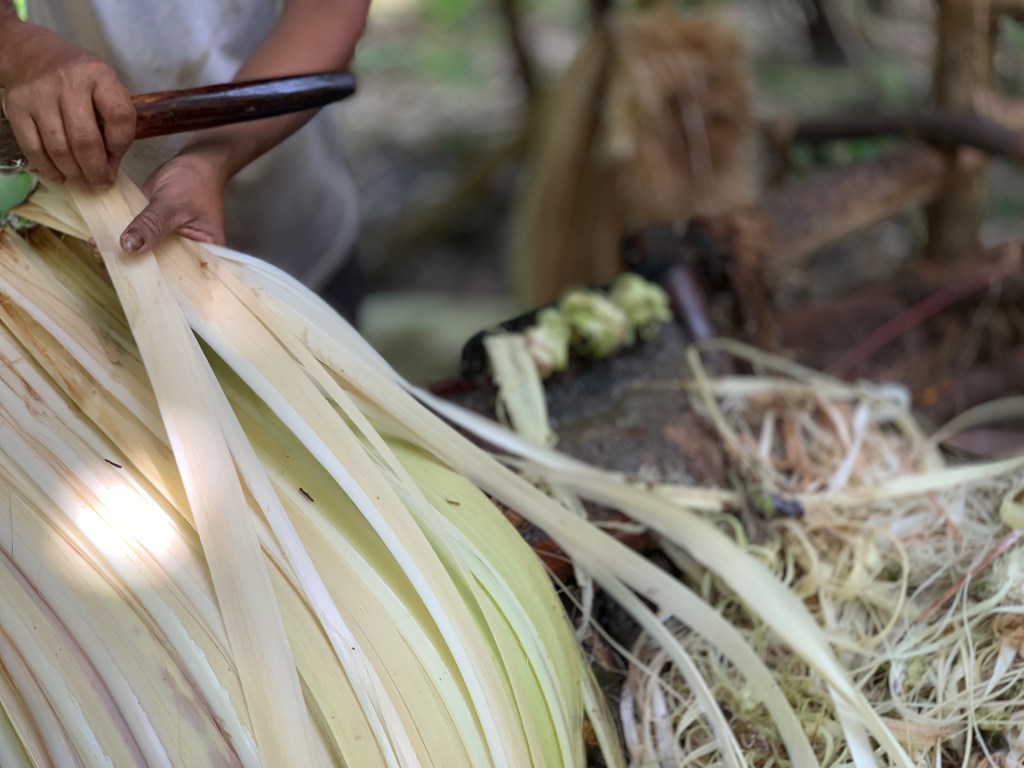
In abaca fiber grading, different grades were classified based on the quality of the fibers. The farmers primarily produce medium to lower grades of abaca fibers such as JK, M1, Y2, and WS using a 10-serration-per-inch stripping knife, rather than focusing on the higher-grade fibers like abaca grades EF, S2, S3, and G due to lack of access to advanced stripping equipment and proper post-harvest facilities. The 18-hectare land was planted with the Negro and Laylay abaca varieties.
Basagan Abaca Nursery was established in 2017 and is owned and managed by Tag Fibers Corporation, one of the leading abaca trading corporations in the region. Abaca production in Basagan, Tabaco City is one of the vital aspects of the local economy. Despite ongoing challenges, the strong demand for abaca proves its value. These challenges faced by the abaca farmers can be resolved with adequate support, modern tools, and fair practices, that will help the industry expand, offering long-term growth and stability for the Basagan community and its people.
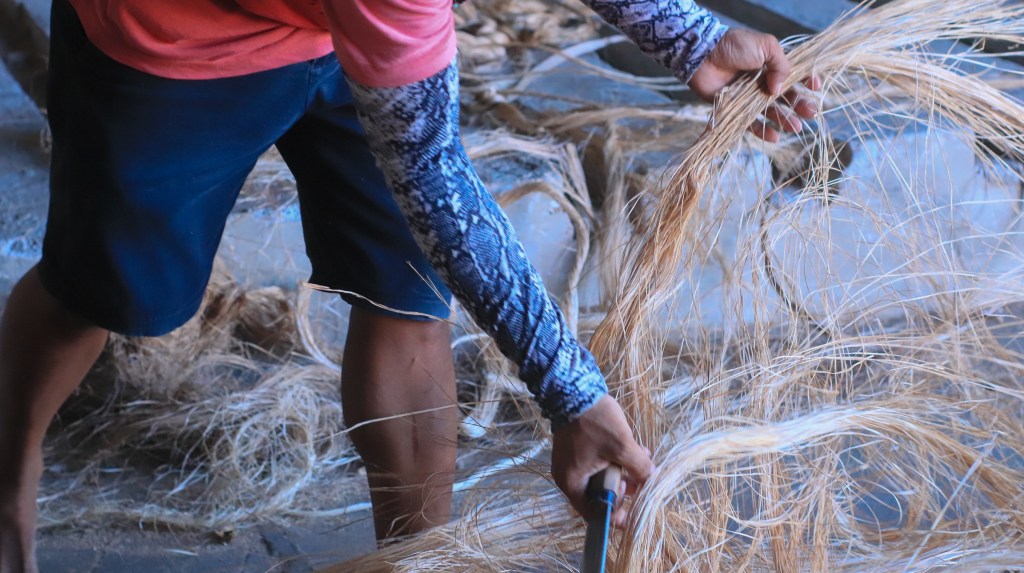
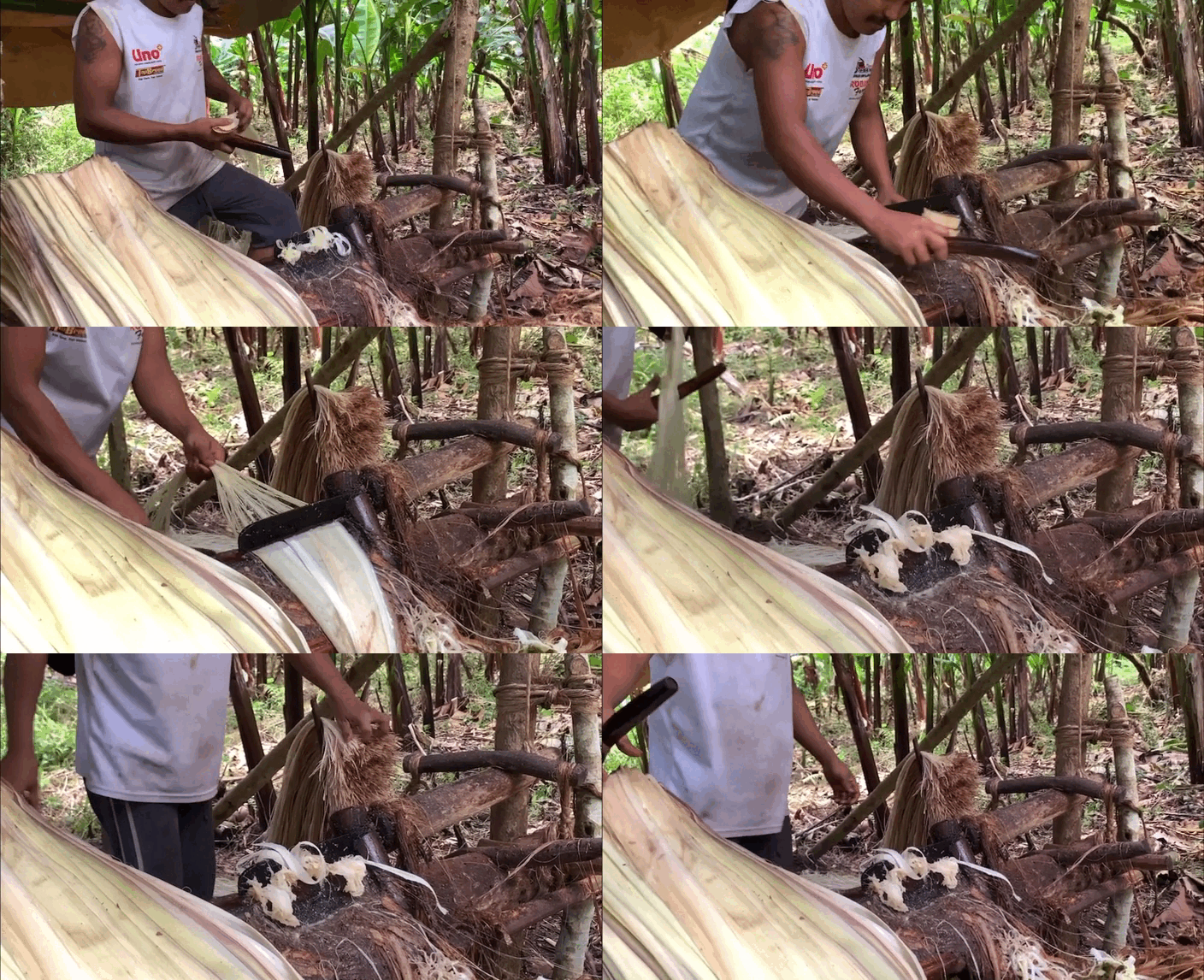
According to the farmers, the nursery once had a spindle-stripping machine when Alendeco Corporation owned it. However, the nursery currently lacks access to advanced equipment, so farmers have to rely solely on traditional hand-stripping methods.
In Albay, abaca production remains an essential contributor to sustainable development, where the robust demand for strips and fibers continues to support local livelihoods and global industries. Commonly known as Manila hemp (scientific name: Musa textilis), abaca is a banana species endemic to the Philippines. In the Bicol region, its stalks are used in different varieties of abaca products. Sinamay, woven bags, artisanal accessories, and clothing are renowned products crafted from abaca. These items are prominently displayed in local stores and Pasalubong centers, showcasing and promoting local brands and products to tourists.
Each bundle of fibers is a testament to the ingenuity of Filipino agricultural practices and the enduring relevance of natural fibers in a world increasingly conscious of sustainability. It is one of the Philippines’ important natural resources, and the country is the leading global supplier, particularly in the Bicol Region. According to the January 2023 report of the Philippine Statistics Authority – Region V (PSA-Region V), the annual production of abaca in the region is 12,066 metric tons, which is 18.14% of the country’s total abaca production for the year 2023.
The Philippines supplies up to 87% of the world’s abaca demand, yet many independent farmers struggle to make ends meet.
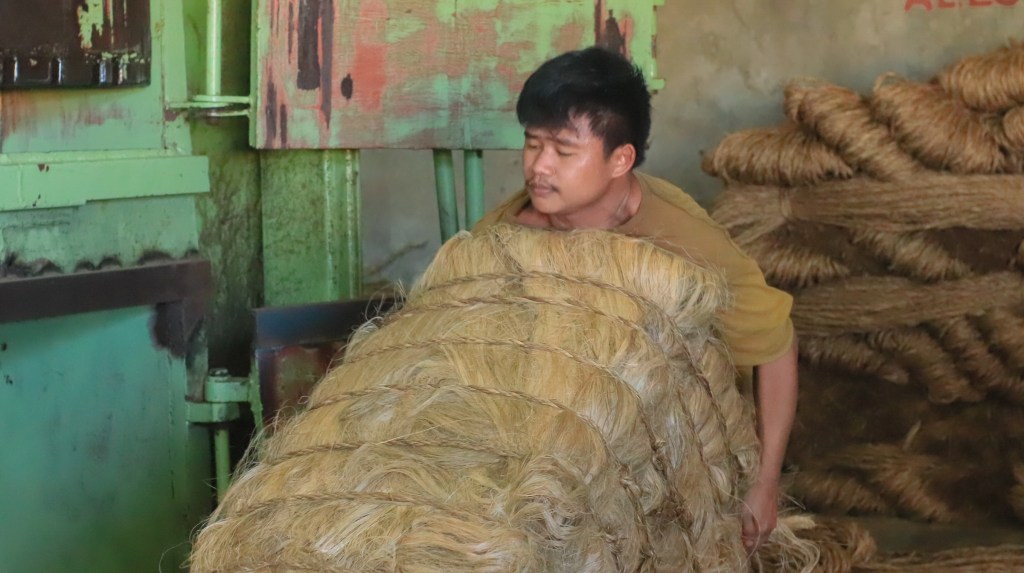
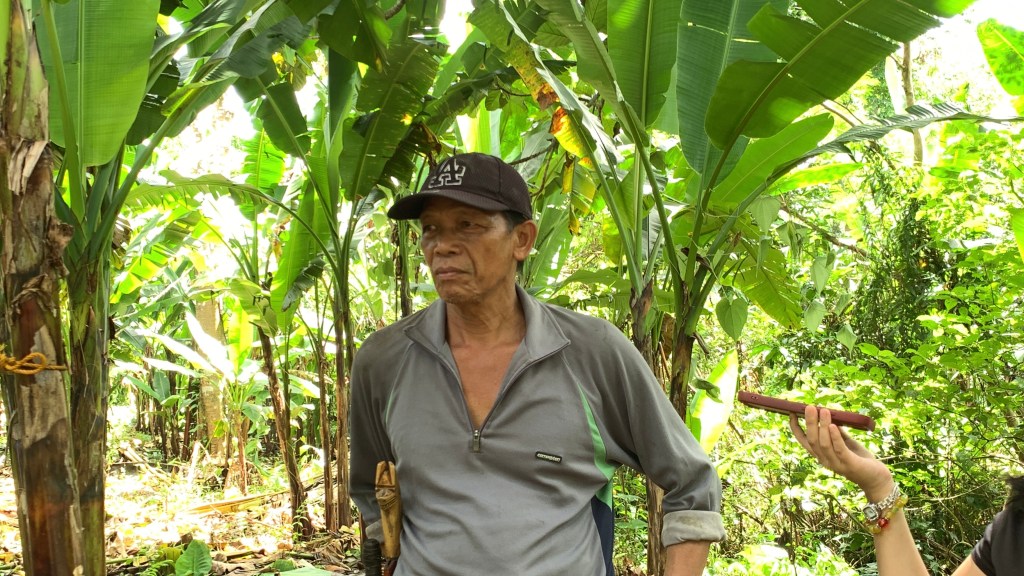
Although abaca can still be harvested up to three months after a typhoon, supply sharply drops after that period. “By the fifth month, it becomes difficult to buy abaca because production slows down,” Eric Cabalay, Tag Fibers Corporation-Tabaco Branch Assistant Manager said. Cabalay also added that the market demand is also a critical factor. When the demand is strong, operations remain stable. But when it weakens, some warehouses stop buying, implying that the production and trade of abaca fibers still depend on the market.
Tag Fibers Corporation highlights the current stability of its abaca trading activities. With the escalating demand for the product in the market, they continue to export abaca to countries such as the United Kingdom, Japan, and China. Abaca is used in products ranging from currency paper and fiberglass to hygiene items and even airplane parts. Its demand remained steady during the pandemic due to its role in essential goods like medical kits. In Tabaco City, it continues to provide a livelihood for many farmers, with companies like the Tag Fibers Corporation.
Marketing Initiatives
With environmental challenges steadily weakening the industry, Tabaco City’s abaca sector—once buoyed by strong supply and booming global demand—now faces an uncertain future. Despite this, the city continues to support the crop’s potential to uplift the local economy and agriculture. This commitment is reflected in initiatives such as the occasional abaca workshops hosted by Tag Fibers Corporation at the Basagan Abaca Nursery, where foreign experts and enthusiasts gain firsthand insight into the production process.
The Philippine Fiber Industry Development Authority (PHILFIDA) Regional Office V led by the Regional Director Mary Anne R. Molina, organizes seminars and workshops showcasing the entire process of abaca production. The workshop brings together local farmers and community members to learn about planting techniques from fiber extraction, processing methods, and various ways abaca can be transformed into high-value products.
Tabaco City is known for its highly skilled and cost-effective labor force. Abaca handicraft makers are known for their skilled artisans. According to the 2023 Bicol State of the Region Report, under the Bicol Regional Development Plan, there has been an increase in the production of healthy and disease-free abaca planting materials. About 305,943 pieces of planting materials were produced from tissue culture laboratories, seed banks, and nurseries, while 84,666 pieces were distributed to 93 farmers and six groups. Additionally, new abaca farms, totaling about 95 hectares were developed and 680 hectares of area planted with abaca were treated or rehabilitated, which benefited 370 abaca farmers including Basagan.
Read more: Detangling Storm-Woven Lives: Abaca Amidst Climate and Trade PressuresFrom the production process, it is transferred by the farmers to various suppliers. These suppliers export and trade abaca to different countries. However, aside from exporting and trading, abaca is also made into crafts such as handbags, hats, slippers, furniture, fiberglass, paper, and even money. Its durability and eco-friendly qualities make it a highly sought-after material, especially as more industries and consumers shift toward sustainable and responsibly sourced products.
These abaca-based products are widely found in pasalubong centers across Bicol, where they are highly sought after as locally made, sustainable souvenirs. From handbags and hats to furniture and paper, these handcrafted items showcase the region’s rich cultural heritage and creativity. As consumers and some tourists increasingly choose eco-friendly products, abaca’s natural qualities make it a wide range of choices for sustainable products.
 Bicol Daily News
Leave a comment