By: Ronnilyn Baranda, Joanne Mae Longasa, and Arianna May Malaga
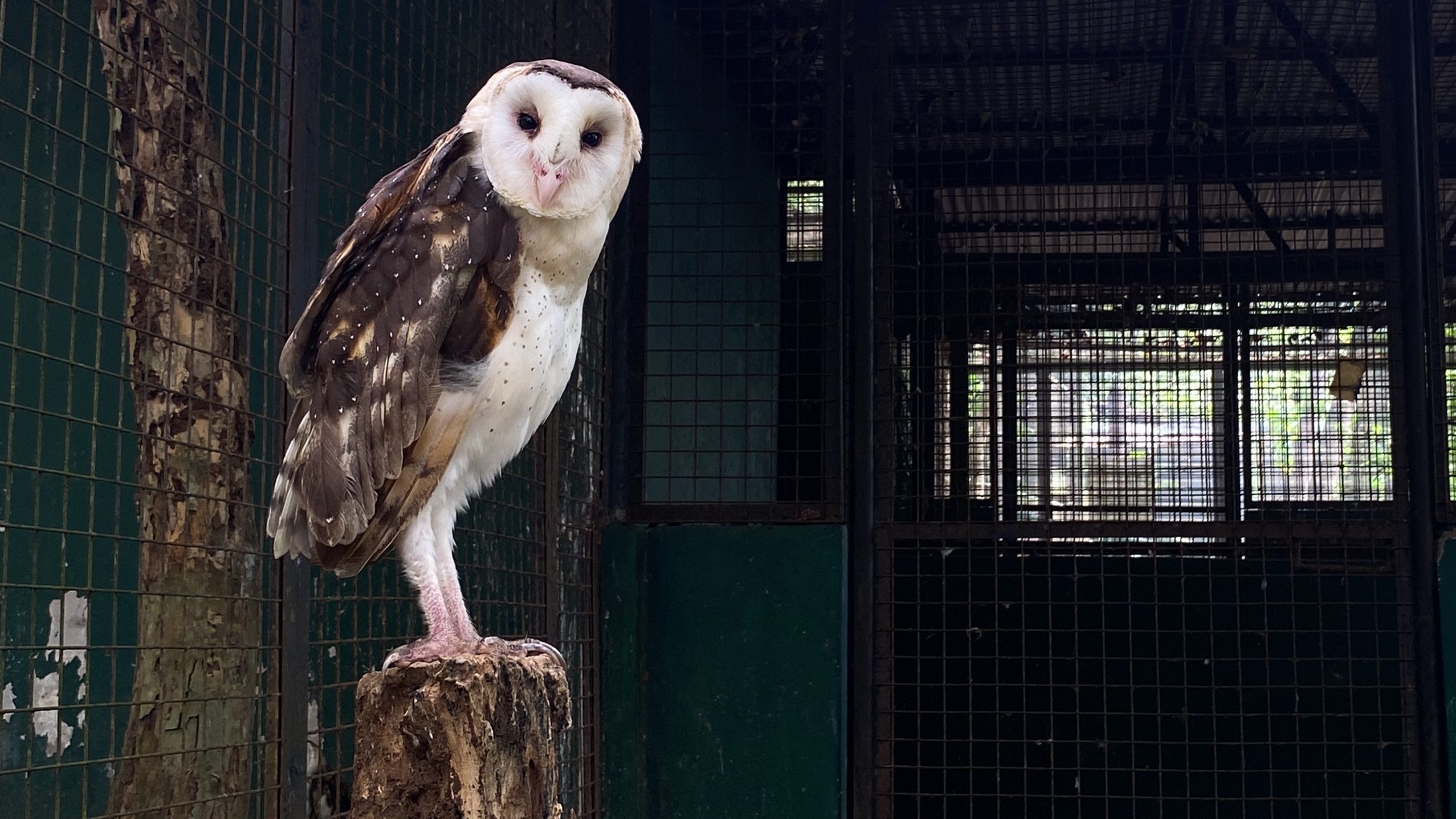
In the midst of the scorching heat on an April afternoon, the symphony of birds echoes through the premises of Albay Park and Wildlife (APW), where they live their precious lives under the shade of trees surrounding their newly relocated enclosures.
“They are happy because it’s cool up here and surrounded by trees,” said Carlo Morante, 29, one of the caretakers for the avian species in Albay Park and Wildlife, the province’s only zoo, providing sanctuary to over 400 species of avians, mammals, and reptiles.
Having been with the birds in APW in the most extreme weather conditions for the past three years, Morante has witnessed the discomfort that the birds had to go through during extreme heat conditions.
“There were instances where other animals died due to the heat, but there are caretakers who look after them so they won’t die,” said Morante.
Dr. Franz Villamer Colambo, acting manager and veterinarian in charge at APW, explained that respiratory diseases are the common heat illness experienced by the birds in their captivity due to the changing weather conditions—from rainy to hot—in Bicol.
“If the birds drink sun-exposed water, it causes colds and shocks their bodies,” Colambo said.
Colambo revealed that birds’ deaths and mortality became their primary concern during extreme heat conditions when caretakers fail to spot the early stages of cold in one or two birds that are caged together. He added that a delay of three to five days may further worsen this fatality concern.
As birds in captivity within the park, they could only watch and wait to be saved by the park’s caretakers from the threats associated with extreme heat conditions. So, the park felt compelled to make certain adjustments to ensure the safety of its avian population.
APW has been recognized as a home full of avians due to its higher population of birds compared to other animals. However, the avian population has been decreasing these past months. According to APW’s March 2025 animal inventory report, avian populations decreased from 207 in the February 2025 report to 191 in March 2025; this represents a decrease of 7.73% of the avian population in just one month.
Birds’ fight for survival in extreme weather
Located in a tropical province, the park experiences a wet season from August to February and a dry season from March to July. During the dry season, temperatures can sometimes reach the danger threshold of the heat index, according to the Philippine Atmospheric, Geophysical, and Astronomical Services Administration, which follows the National Weather Service-National Oceanic and Atmospheric Administration guidelines.
In May 2023, Albay set the highest record of heat index of 50°C in the country, and 43°C in April 2024, both reaching the danger level of heat index where heat cramps and heat exhaustion are likely to happen to humans.
Jeffrey Jaymes Mesias, a seasoned birdwatcher and biologist from Albay, said that like humans, species of wild birds are vulnerable to the rapid rise of heat index. He added that the decline in the bird’s population would further lead to broader ecological consequences, which creates what he calls the “domino effect.”
“If the bird population declines, insects will continue to reproduce up to 100 to 1,000 clutches, which will cause overpopulation, potentially becoming pests…populations of trees and plants will also decline, leading to slow vegetation and habitat scarcity,” Mesias said.
With avian species’ significant role in the ecosystem—key agents for pollination, seed dispersal, insect population control, and nutrient cycling—the loss in their population will result in ecosystem instability.
In 2024, Andrea Opiana, 20, a dedicated and passionate pet owner and breeder of over 70 African lovebirds, lost around 10 birds due to heat stress, despite her efforts in keeping the birds comfortable in their own space in their backyard.
“There was a month where the birds got really stressed due to high heat weather, and around 10 birds had died,” she said.
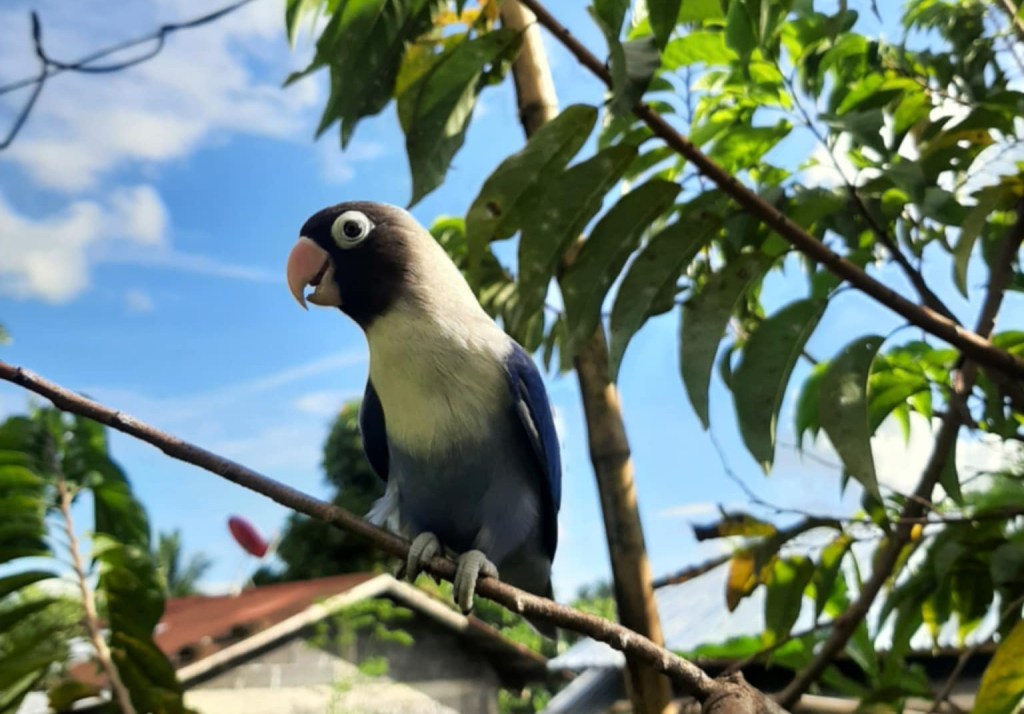
A radiant mix of lovebird species owned by Guinobatan pet owner, Andrea Opiana | photo courtesy of Andrea Opiana 
A radiant mix of lovebird species owned by Guinobatan pet owner, Andrea Opiana | photo courtesy of Andrea Opiana 
A radiant mix of lovebird species owned by Guinobatan pet owner, Andrea Opiana | photo courtesy of Andrea Opiana
Throughout the years of bird rearing, Opiana shared the importance of being hands-on in raising pets at home, balancing between keeping them safe in their cages while also giving them the freedom to fly.
“The birds that I allow to go out of their cages are those that I’ve hand-fed and tamed, while the rest are left in their cages. It is important for them to have enough space so they won’t get bored and experience heat stress,” said Opiana.
Similarly, Ronico, 54, a pet owner from Legazpi City for over 30 years, has also gone through the same experience as Opiana, losing more than 15 chickens, all of which were due to either heat exhaustion or heat stroke. Like Opiana, he also shared the importance of giving his pets their daily outdoor exposure.
“Although my chickens have their respective cages, I still let them out to get some exercise. However, there are instances when they get too exposed to the sun, which causes them to experience heat stress or leads to fatality,” said Ronico.
Despite their efforts in taking preventive measures to ensure their pets’ safety, such as adding vitamins to their drinking water, and cleaning their cages, they still couldn’t avoid the risks associated with extreme heat weather conditions.
With the same exact location, the park’s avian population had also felt the threats of extreme heat weather to their precious lives.
APW serves as a home to 191 avian species, two of which—the African gray parrot (Psittacus erithacus) and the ostrich (Struthio camelus)—are the most vulnerable to extreme weather conditions. Colambo explained that it is mainly due to the differing weather conditions in their natural habitat and the park.
Specifically, parrots usually live in rainforests surrounded by tall trees, receiving abundant rainfall, and are not hit by direct sunlight. However, Albay’s weather condition is quite different. Ostriches, on the other hand, typically live in grasslands and wild deserts with relatively lower humidity compared to the Philippines.
“We’ve already developed a system to mitigate the effects of extreme heat that can be experienced by animals, and the parrots are now beginning to acclimate and adjust,” said Colambo.
Ensuring adequate access to water is one of the biggest challenges faced by the park during the summer season, as it supports and maintains the well-being of 419 animals of different species.
The challenge on water supply has become more difficult for them. For the meantime, they are temporarily sharing their water supply with Ligñon Hill, one of the city’s prominent landmarks, after it had been transferred under the supervision of the provincial government of Albay and is on the verge of reopening.
Colambo further emphasizes the need for the park to have adequate and clean drinking water sources during extreme heat, as they need to change the birds’ drinking water twice a day to prevent them from drinking contaminated or sun-exposed water that can lead to respiratory illnesses or cause systemic shock to their bodies.
Towards a safer environment for the avian population: can water really beat the heat?
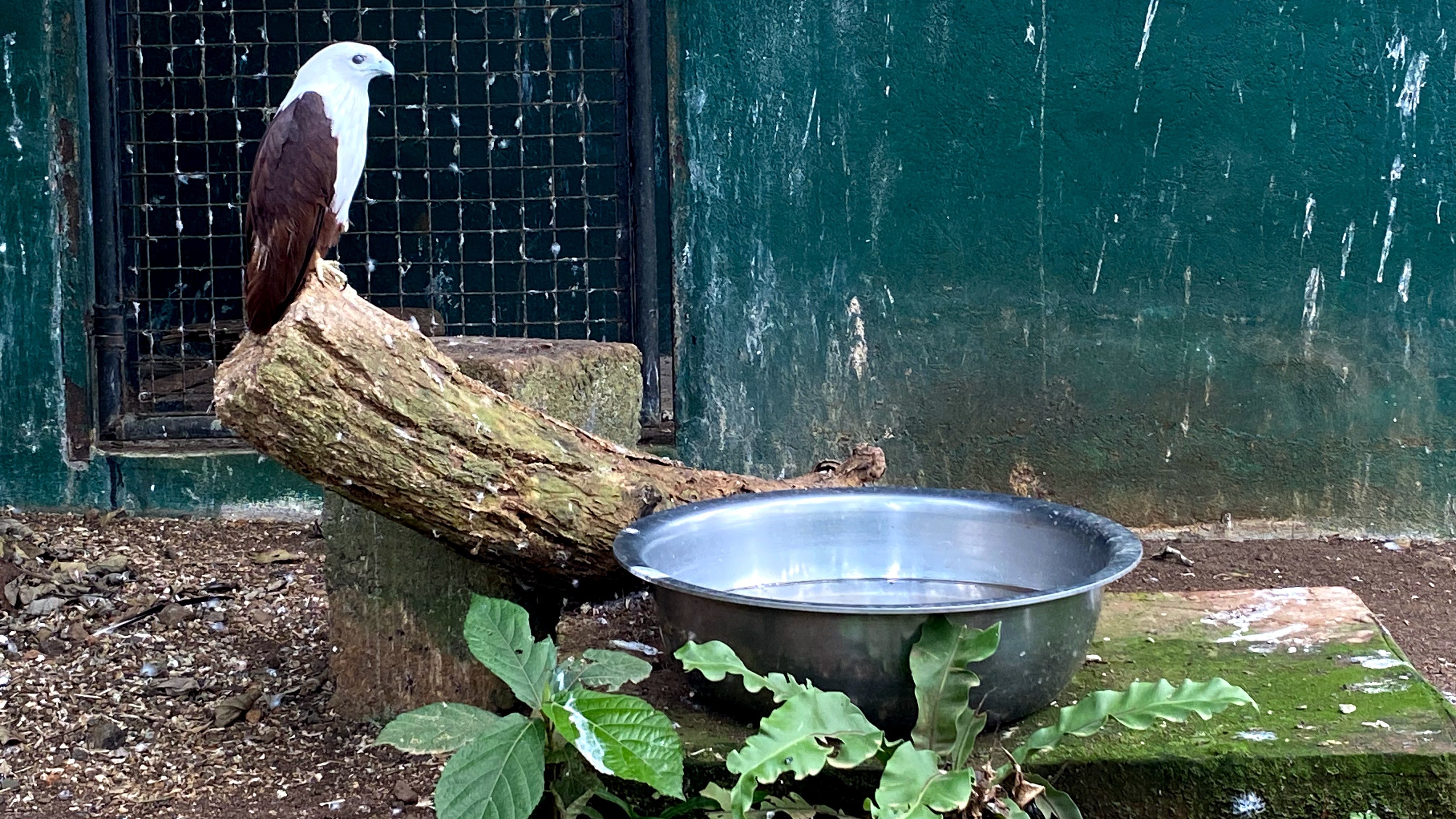
Since weather temperature is uncontrollable, solutions to mitigate the problem and ensure the birds’ safety have been the top priority of the park during these extreme weather conditions.
With his proficiency in veterinary medicine, Colambo leads the effort to provide better care and welfare to the animals in the park.
To ensure that birds do not get easily dehydrated, water-soluble vitamins or dextrose powder, a highly available source of energy, are mixed with the birds’ drinking water. They also have “misting” systems, where they spray smaller particles of water on the animals’ enclosures, creating a cooling effect and lowering the heat temperature, which prevents animals from being subjected to heat stroke.
“We have a water bird—a pelican—with a small pond. Whenever it gets hot, it dives into its pond to cool off,” said Colambo, highlighting their innovative approach to providing a comfortable habitat for one of their avian residents.
In addition, they installed an additional faucet near the animals’ enclosures for easier access to water during regular water changes. It also allows the caretakers to monitor and replenish sun-exposed water, ensuring the animals have access to safer hydration.
With infrastructures already built even before he was officially entrusted with the park’s management, Colambo, together with Morante and other caretakers, can only put up tarps on top of the enclosures to provide extra shade for the birds, hoping it can block the harsh sunlight hitting the birds in their enclosures.
“That’s what we did to fill in the design deficiencies in the infrastructure and enclosures,” he said.
For some, it may be a simple act of problem-solving, but it is already a big step towards natural conservation for our feathered friends.
As the designated wildlife rescue center, APW is in close partnership with the Department of Environment and Natural Resources (DENR) and Energy Development Corporation (EDC) in protecting and conserving wild animals that are turned over and traded in the park.
EDC is a geothermal plant located on the boundary of Sorsogon and Manito, a pioneer in generating and supplying 100% clean, renewable, and reliable electricity power in the Philippines.
Sharing the same advocacy and passion for preserving endemic trees, they have also established an arboretum and nursery around the park where trees are planted. The trees serve as a natural canopy, shielding the animals from the harsh rays of sunlight.
Balancing tourism and animal welfare
APW leans towards protecting the animals, with almost 50% to 60% of its budget being allocated to the park’s conservation efforts, funding animals’ food, vaccines, vitamins, and the maintenance of their enclosures, especially during the summer season when rising temperatures are usually experienced in the province.
It’s worth noting that the generated revenue of the park from its tourism is forwarded to the general fund of the Provincial Government of Albay (PGA) and is distributed in all its offices, including the park itself. Higher revenue will ensure the animal’s needs are met.
However, the very presence of the tourists and guests inadvertently poses additional threats to the animals, especially during the months of March to May, when extreme heat is expected to happen. The challenge, therefore, lies in promoting a balanced and sustainable model of ecotourism—one that allows leisure activities for guests and tourists while maintaining a safer environment for its inhabitants.
Park authorities have implemented strategies to mitigate the effects of extreme heat conditions on the birds’ health. During peak heat hours, guided tours are conducted to minimize the animals’ stress levels from too much exposure to heat, exacerbated by crowds’ noise. Guests are also advised to have brief visits and shorter times hanging around animal enclosures so animals are protected in their habitats. This is the park’s way of educating tourists and visitors, especially the younger generation, about environmental conservation.
“APW is created with the primary objective to raise awareness in protecting and conserving the environment, especially wild animals, as they are not used to crowd exposure compared to domestic animals, like dogs and cats,” said Dr. Colambo.
As the sun begins to set in the park, Morante and other caretakers of the wildlife once again prepare as they attend to the needs of our feathered friends. It has been their precious daily routine—feeding the birds twice a day and cleaning their enclosures once or twice a day—ensuring enough access to food, clean drinking water, and cleaner enclosures for animals. Their tireless efforts reflect their dedication to safeguarding the welfare of the voiceless population, the birds.
Every contribution, no matter how small, counts in the fight to safeguard the well-being of animals. To report any injured animals, contact the Philippine Animal Welfare Society, CARA Welfare Philippines, the Philippine Animal Rescue Team, or any local animal shelter or veterinary clinic.
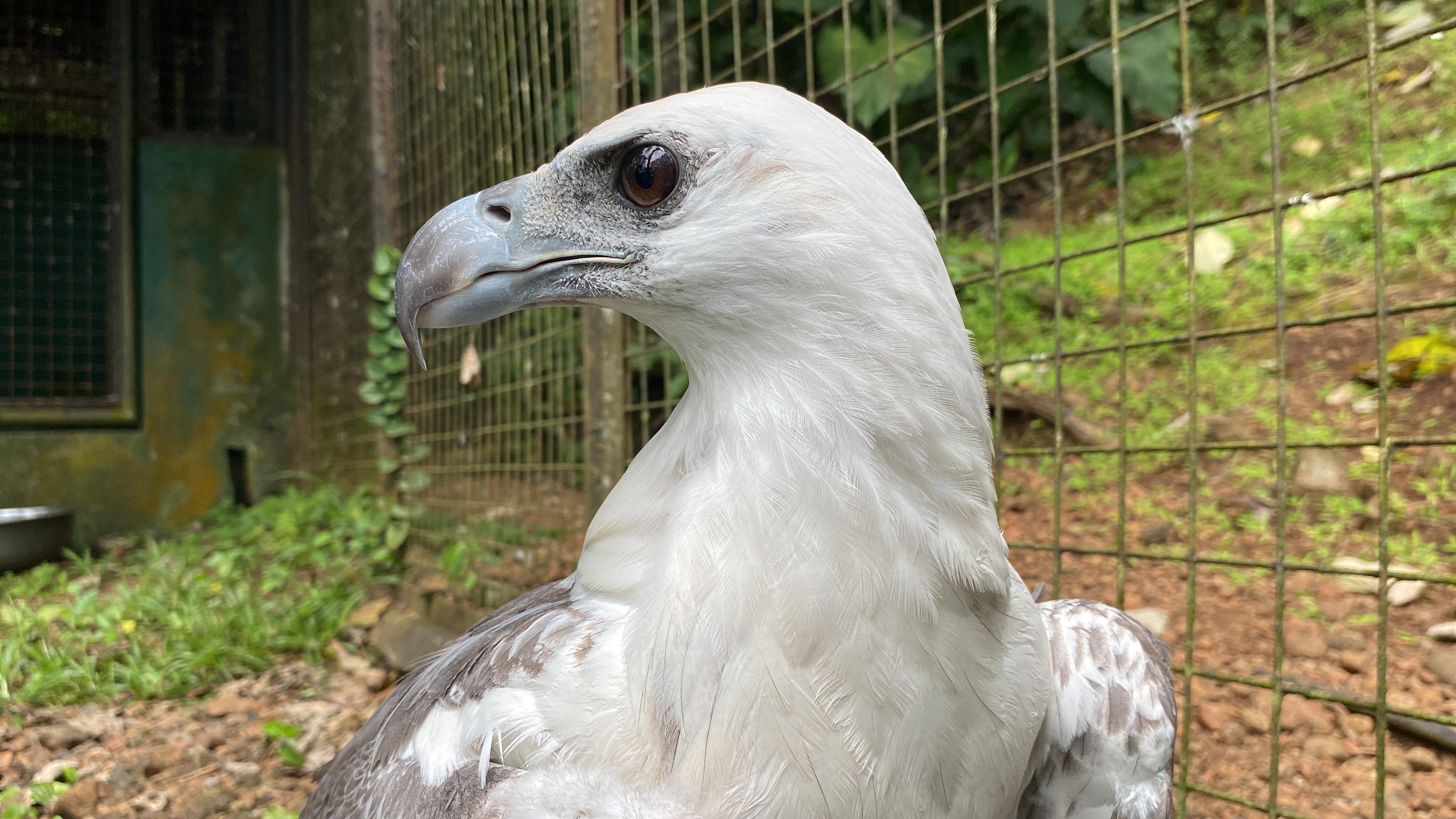
A white-breasted sea eagle perches in its enclosure at Albay Park and Wildlife in a sunny afternoon. | via Arianna May Malaga 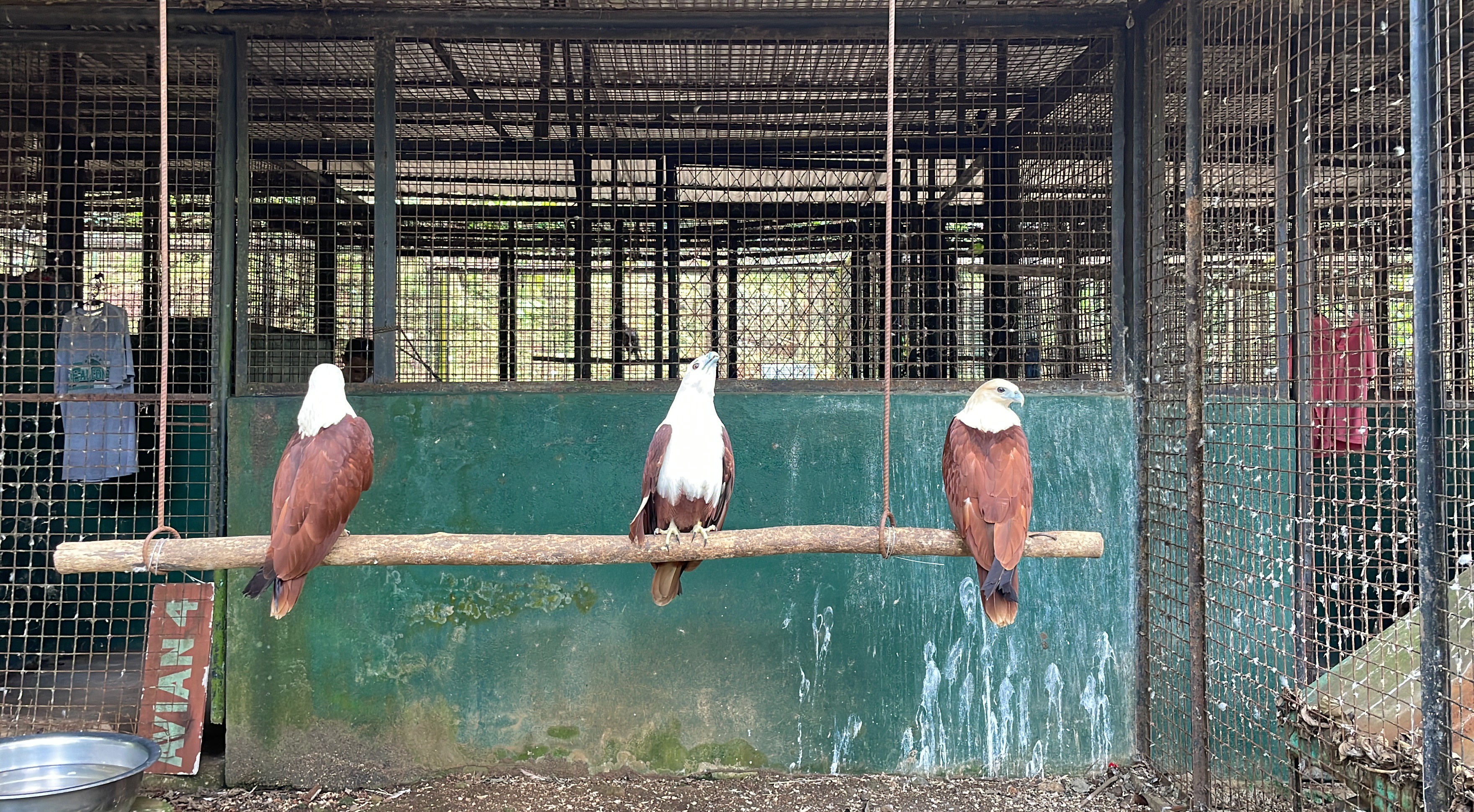
Three Lawins caged together in a spacious enclosure inside Albay park’s conservation area. | via Ronnilyn Baranda 
Ostrich residents at Albay Park and Wildlife roams freely in their spacious enclosure inside the park. | via Arianna May Malaga 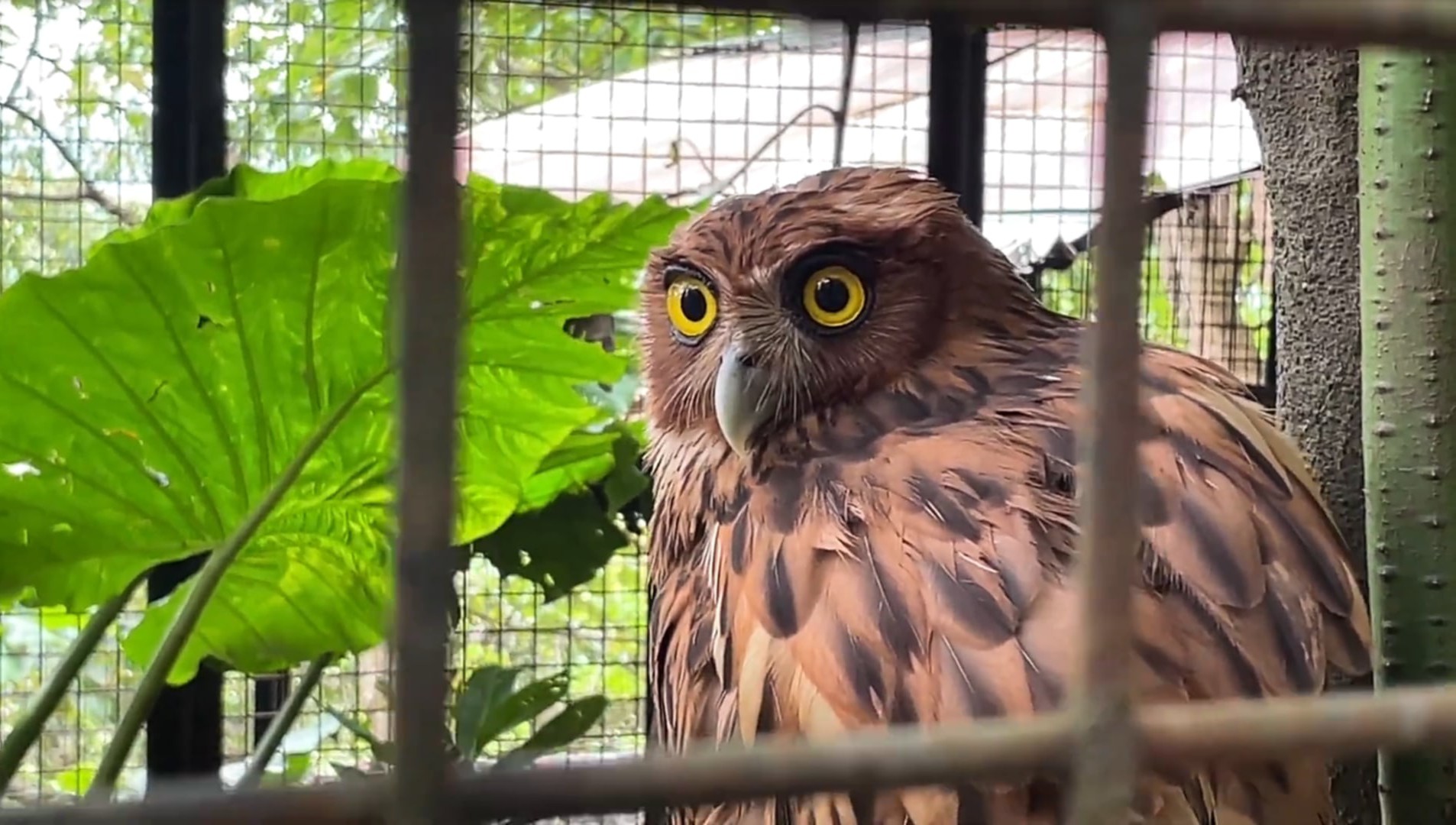
A Philippine eagle owl under the care of Albay Park and Wildlife. | via Joanne Mae Longasa
 Bicol Daily News
Leave a comment