
By Lalaine Loterte, Rose Angelyn Espeña, and Yoshue Bautista
Alfredo Martinez, 52, a fisherman with four decades of experience, paints a vivid picture of this decline.
“The fish population is truly declining because they no longer have spawning grounds,” he shared. “Unlike before when there were still abundant mangroves and streams, now they are gone due to the coastal developments. Without mangroves, fish and crabs no longer have places to spawn.”
“Various kinds like crabs, fish, prawns, and even shells–as long as they were present in the area, it was bounty. However, many of these species have now vanished, including the shells,” he added, emphasizing the variety of marine life found in the area
Martinez is the Vice President of Mahingan Balogo Fisherfolks Association (MABFAS), a group of local fisherfolks who are seeking government support to address the issue of decreasing fish catches.
On the other hand, Alexander Soling, 59, a fisherman with 40 years of experience, who also observed a sharp drop in productivity over the years.
“We catch 1 kilo—half kilo on a normal day—but reaching 5 kilos is already considered high. Our jackpot catches ranged around 5 to 10 kilos in the past. Now, even the fry and shrimps are becoming a rarity.”
“In the past, fry were coming out, but now only crabs are spawning. Shrimps no longer produce larvae—only occasionally do shrimps arrive. The sea no longer provides resources; crabs are now the majority of what they catch, along with these slipmouth fish.” Soling stated.
The Vanishing Marine Bounty
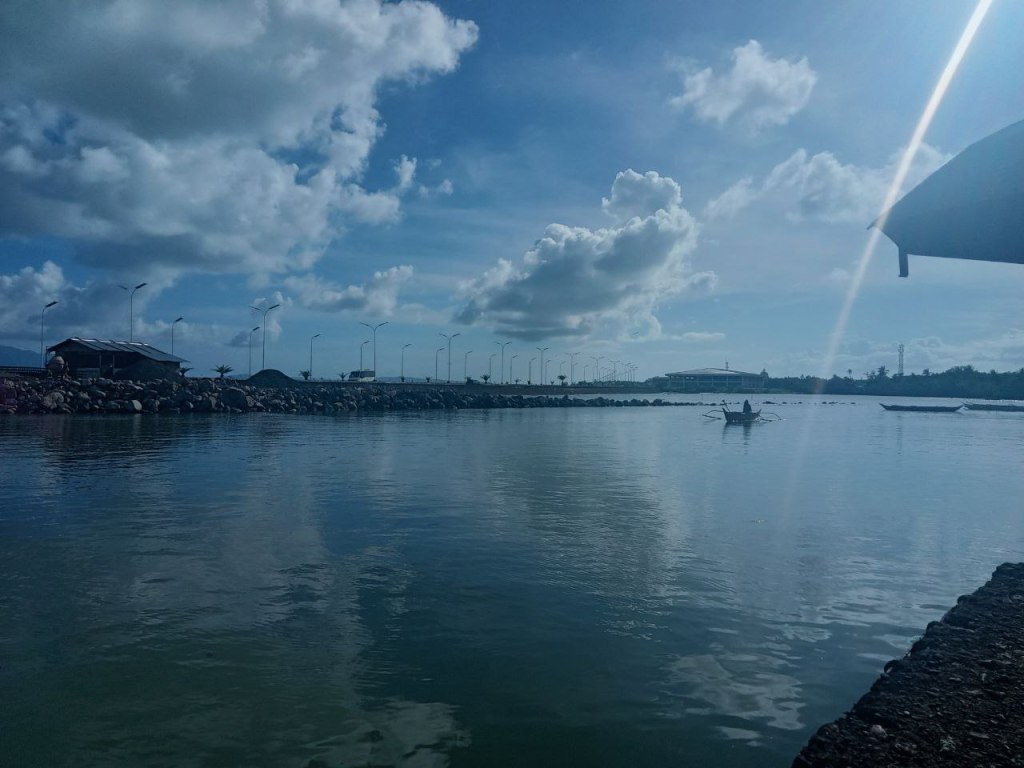

Sorsogon, once a sanctuary of marine abundance, now faces the stark reality of diminishing aquatic resources. Fisherfolk in the area recall a time when mangroves and waterways teemed with life, providing an abundance of crablets, shrimps, and fingerlings. These sheltered ecosystems served not only as breeding grounds but also as a vital source of livelihood for the local community. Today, however, these species have become scarce, leaving families with diminished catches and fading hopes.
Soling stated that, “Estuaries are blocked, habitats are disturbed, and local biodiversity is in peril.”
He also mentioned that even the sizes and frequency of crablet reproduction have drastically declined, highlighting the devastating effects of mangrove loss on the ecosystem.
“Everything has closed off, there’s almost nothing left. The entire estuary is nearly submerged. Before, the fry came from the estuary, allowing fish to enter. Once inside, they would thrive and eventually emerge alive. But now, how can they enter when everything is closed off and there are barriers? They can’t enter anymore—it’s gone, barely anything remains. The fish that used to live inside are no longer there,” Soling remarked.
According to fisheries technologist and aquaculturist Analou Roxas, the ongoing marine crisis may be linked to the construction of the coastal road, which led to the removal of mangroves. While statistical data is not yet available, Roxas pointed to Local Transport Permit (LPT) records indicating a steep decline in marine collections this year. Previously, thousands were collected–ranging from 3,000 to 8,000 were gathered, but it dropped to 200 to 500, a significant reduction.
Roxas speculates that the construction activities might have caused fish habitats to become disturbed. While efforts are limited, the Bureau of Fisheries and Aquatic Resources (BFAR) has implemented programs aimed at mangroves and coastal cleanup activities. NGOs such as Sorsogon Coalition for Environmental Protection have also pushed back against construction projects that endanger these critical ecosystems.
She mentioned that BFAR has no such control over the construction of the coastal road in Sorsogon City since that was implemented by the Department of Public Works and Highways (DPWH) in collaboration with the provincial government. But there are also many NGOs, like the Sorsogon Coalition, that are protesting and pushing to stop the construction.
“BFAR’s programs have always focused on reforestation in areas that can be planted with mangroves to rehabilitate and increase the habitat for fish. We also conduct coastal cleanups. These are the main programs of BFAR aimed at restoring the natural habitat of fish and improving the environment,” she stated.
As a professional, Roxas suggests proactive steps to protect and restore mangroves. She emphasizes the importance of maintaining cleanliness to prevent plastic and waste accumulation, which can harm mangrove habitats. Additionally, assessing potential areas for mangroves planting and conducting research to identify suitable species are vital measures.
“If we can plant more mangroves in areas where they can thrive, we can restore habitats for fish and other marine life,” she noted.
A Livelihood in Jeopardy
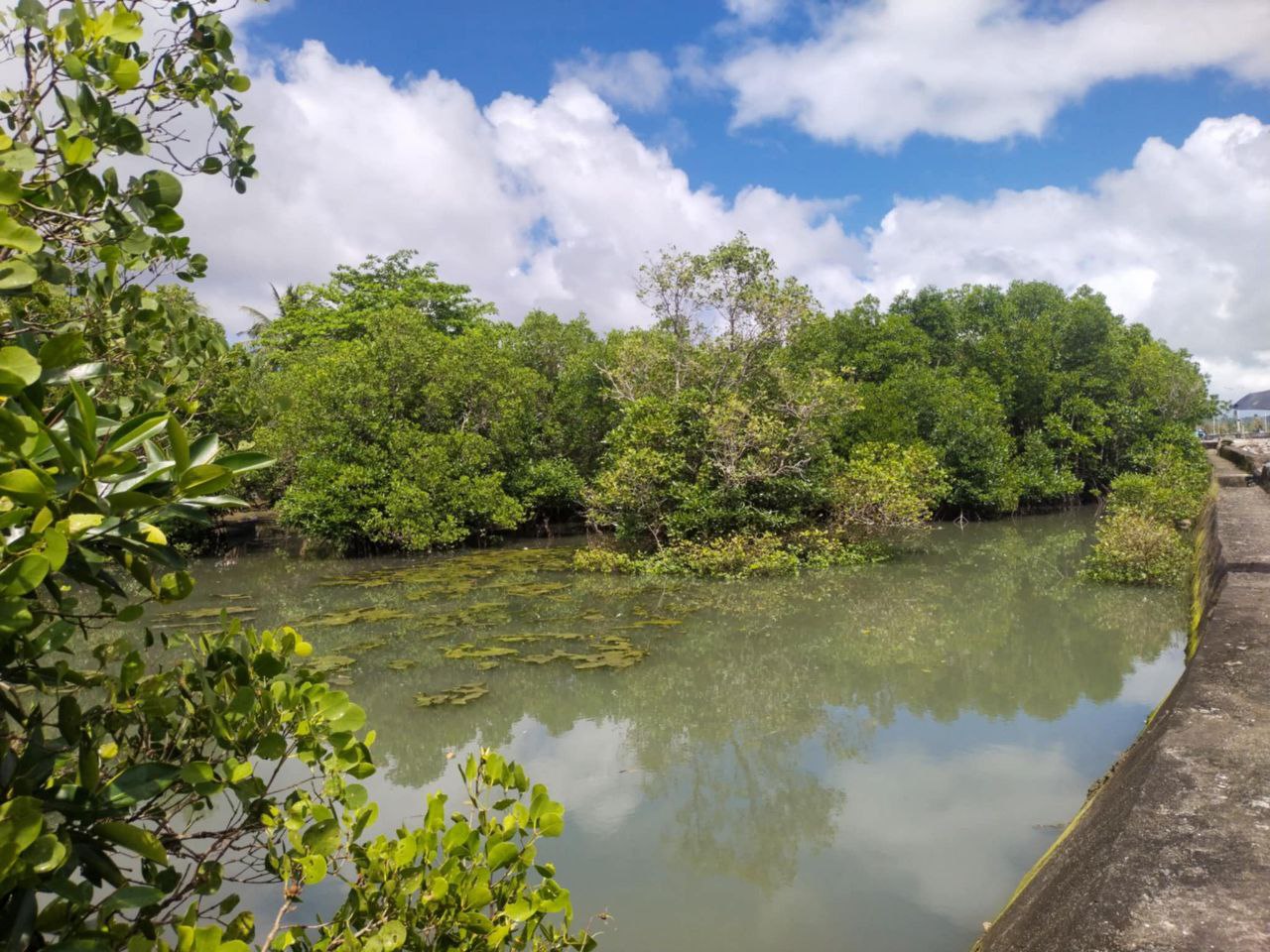
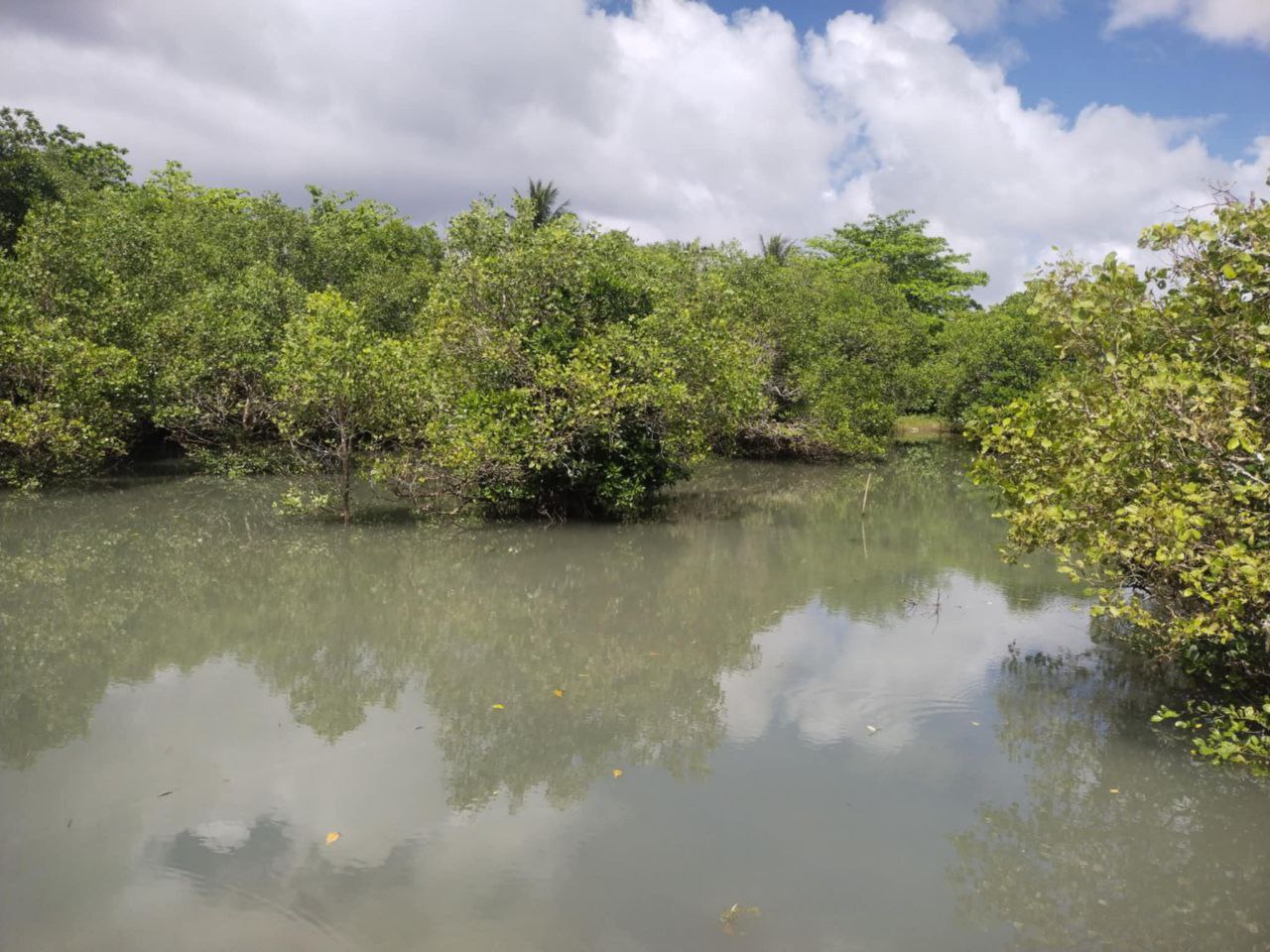
Mangroves, the silent guardians of marine ecosystems, have always been a lifeline for Sorsogon City’s fisherfolk. It serves as a nursery and feeding areas that support coastal fisheries and as a buffer for coastal settlements that minimize damages in times of typhoons and strong waves.
The Bicol Region had around 6,698 hectares of mangrove forest in 1999. Sorsogon City, with 37 coastal barangays, is home to over 4,400 fisherfolks. However, coastal development projects, particularly roads and bridges, have impacted five of these barangays: Talisay, Bitan-o, Sirangan, Sampaloc, and Balogo.
The temporary abundance of mangrove species in the Province of Sorsogon offers great help not until the construction of the Sorsogon City Coastal Road and subsequent reclamation projects have disrupted this delicate balance, leaving fisherfolk communities struggling to sustain their livelihoods.
Mangroves do more than just provide shelter to marine life; they form the backbone of the fishing industry. Their loss has forced fisherfolk to seek alternative livelihoods, but government support has been inconsistent. Fisherfolk expressed frustration about selective aid distribution, leaving many without a safety net.
“There’s nothing. Sometimes there’s aid—but only for selected recipients. If you’re on the list, good. If you’re not, sorry for you.” As Alexander Soling llamented.
“It has truly improved, however the fish spawning grounds are gone,” he added.
The absence of robust livelihood programs has deepened the challenges for these communities. Women, often integral to the fishing economy through activities like fish drying and processing, have also been left with limited opportunities.
As much as the village people want to oppose the rehabilitation, the barangay captain agreed saying that they will just give an alternative route.
“Of course it’s all about money offered. A little opposition, a little support – that’s okay.” Martinez stated.
He also emphasized that since it is from the government they cannot do anything and just need to follow.
With those rehabilitation, it brought a huge impact on their livelihoods, and the fisherfolk communities are often the first to adapt to the changes caused by mangrove destruction, leaving them struggling to sustain their livelihoods.
Alexander Soling also mentioned that it is better to explore other job opportunities rather than relying solely on the uncertainties of fishing, due to the fact that sea’s supply is unpredictable and often insufficient to meet daily needs. Therefore, to be pratically it’s not advisable to marry a fisherman because it often leads to financial struggles.
Hope Amid Challenges
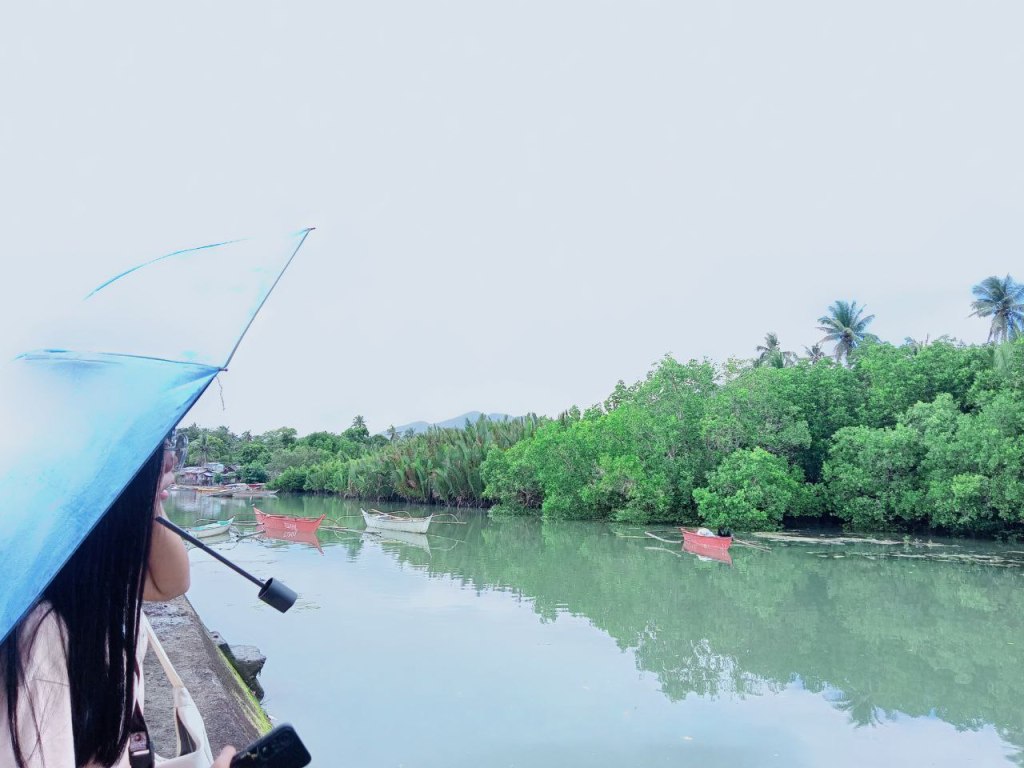

On June 15, 2023, the Sorsogon Coalition for Environment Protection (SCEP), City Government, and fisherfolk representatives convened to address the pressing environmental and livelihood challenges in Sorsogon City. The government pledged to enforce a Cease and Desist Order on harmful reclamation projects, rehabilitate mangrove areas, and create alternative livelihood programs, including nipa vinegar production and providing larger fishing boats. Agencies like DENR, DPWH, and BFAR partnered with local communities and fisherfolk to ensure these initiatives are tailored to their needs. These measures aim to protect the environment while supporting sustainable development for the affected communities. However, fisherfolk continue to call for more inclusive programs to ensure no one is left behind. The efforts represent a step forward in balancing conservation and economic growth for Sorsogon City’s future.
However, as of 2025, fisherfolk continue to call for more comprehensive and inclusive support. Though others get an alternative livelihood program, not all have the capability to be part of it. According to Alfredo Martinez the government gives them seaweed farming.
“Yes, the government gives us a livelihood like seaweed farming, we also have the necessary materials for that, but the problem now is that there are no juvenile fish available.”
“There’s nothing. Sometimes there’s aid—but only for selected recipients. If you’re on the list, good. If you’re not, sorry for you.” Soling stated.
 Bicol Daily News
Leave a comment