By: Frederick Andes, Monica Avila, and Angeline Crista Fresnido | May 27, 2025
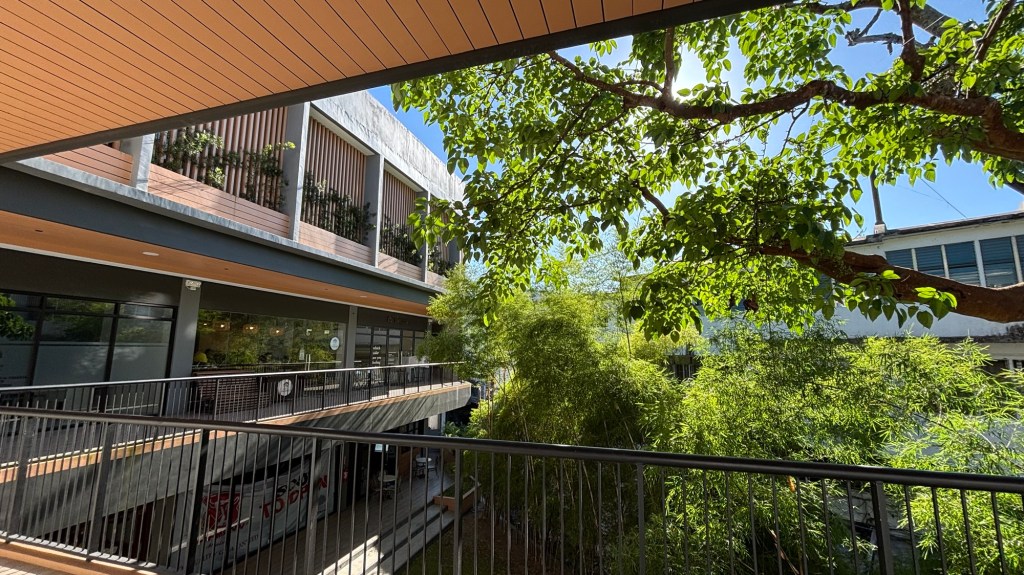
LEGAZPI CITY — Commercial buildings in Legazpi City are incorporating green spaces in their structure as a sustainable practice to support environmental sustainability while enhancing their economic value.
The city has become a prominent center for commercial buildings due to its strategic position as the regional hub of the Bicol Region. This central location attracts a significant population for various purposes, including trade, education, and healthcare, making it an ideal environment for economic activities, retail stores, restaurants, and offices.
This concentration, despite being a driver of progress, has unfortunately led to substantial environmental impacts through waste generation, air pollution, biodiversity destruction, and excessive energy consumption. Therefore, commercial buildings have a significant opportunity to spearhead sustainable initiatives, harmonizing economic growth with environmental protection and paving the way for an eco-friendly environment.
Engineer Jude Galang said that maintaining green spaces attracts clients who appreciate the eco-friendly ambiance, making it a valuable asset for the business.
As one of the Embarcadero de Legazpi’s operational managers, Girlie Hernandez Moran said that green spaces are important in reducing the building’s environmental footprint and carbon emissions while also improving the air quality.

“It lessens the footprint of the building footprint and the emission of carbon and at the same time instead of putting concrete or whatever kind of design, we opt to use landscape because it also really helps in terms of oxygen production, especially the offices are also really closed here, at least when they go outside apart from the sea breeze we also have the benefit of having the fresh air coming from the plants.”
Girlie Hernandez Moran, Embarcadero De Legazpi’s Operations Manager
Many commercial building’s management has taken bold steps, incorporating the green spaces within their commercial buildings such as landscapes around their buildings.
These green spaces reduce its carbon footprint, enhancing property value, and ultimately promoting environmental sustainability while creating a healthier and more attractive environment for their clients and customers.
Commercial building’s approach to green space
The CAL Courtyard in Albay, established in 2024 has taken a different approach to green spaces through preserving an existing flora, an 80-year-old tropical fig tree (Ficus spp., Moraceae), now serving as the building’s focal point.

The building design has natural lighting, open-air courtyards, and energy-efficient architecture, increasing environmental sustainability, health and well-being benefits, and energy efficiency.
Property manager, Ray Rafael Capilitan shared that by integrating nature into their built environment, they help cultivate eco-conscious habits and awareness among tenants and visitors.
Meanwhile, Ayala Malls Legazpi has been one of the pioneers of incorporating green spaces into the premises of their building way back in 2016, the same year after its establishment, adding natural elements that improved the overall look of their structure.
They began with the selection of individual potted plants, trees, and landscaping in their interior spaces.

📷 Frederick Andes
The mall’s green garden at the rooftop, which uses coffee grounds and vegetable waste from the building’s tenants to grow their plants, has been growing and prospering for 7 months, and all products harvested from the garden are shared among the building’s staff.
“Our green spaces initiative is not just about bringing people closer to nature; it’s also our commitment to reducing up to 15% of our carbon emission by 2030 and to promote sustainability,” said Lenard Mojico, Ayala Malls Legazpi Building Engineer.
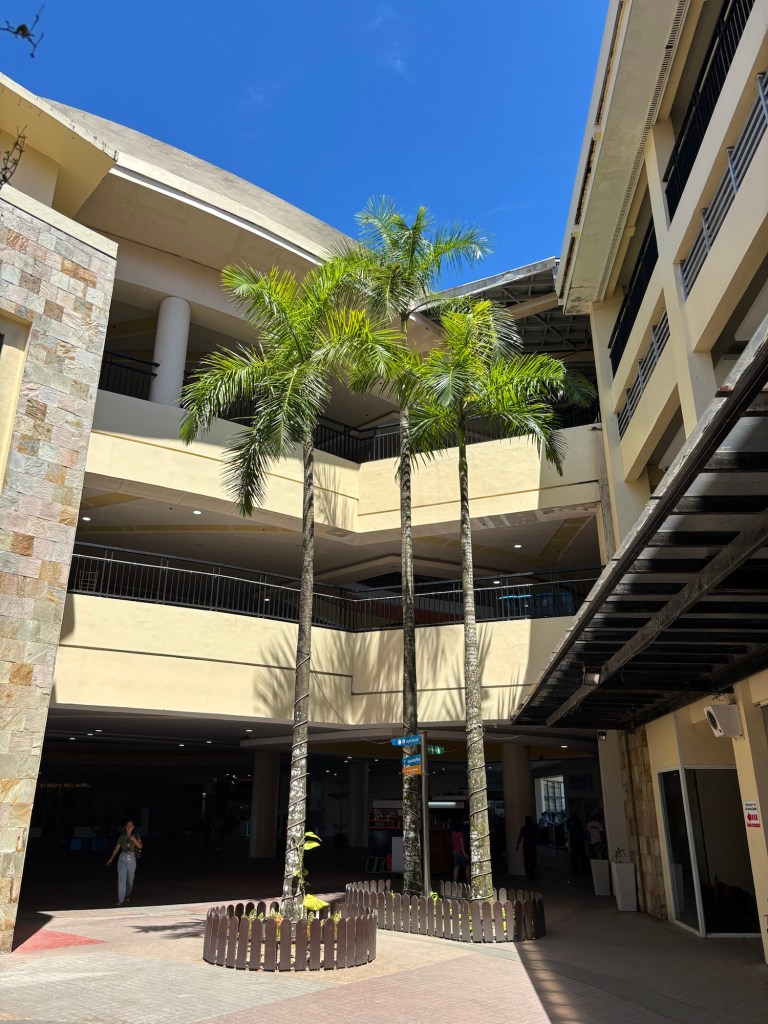
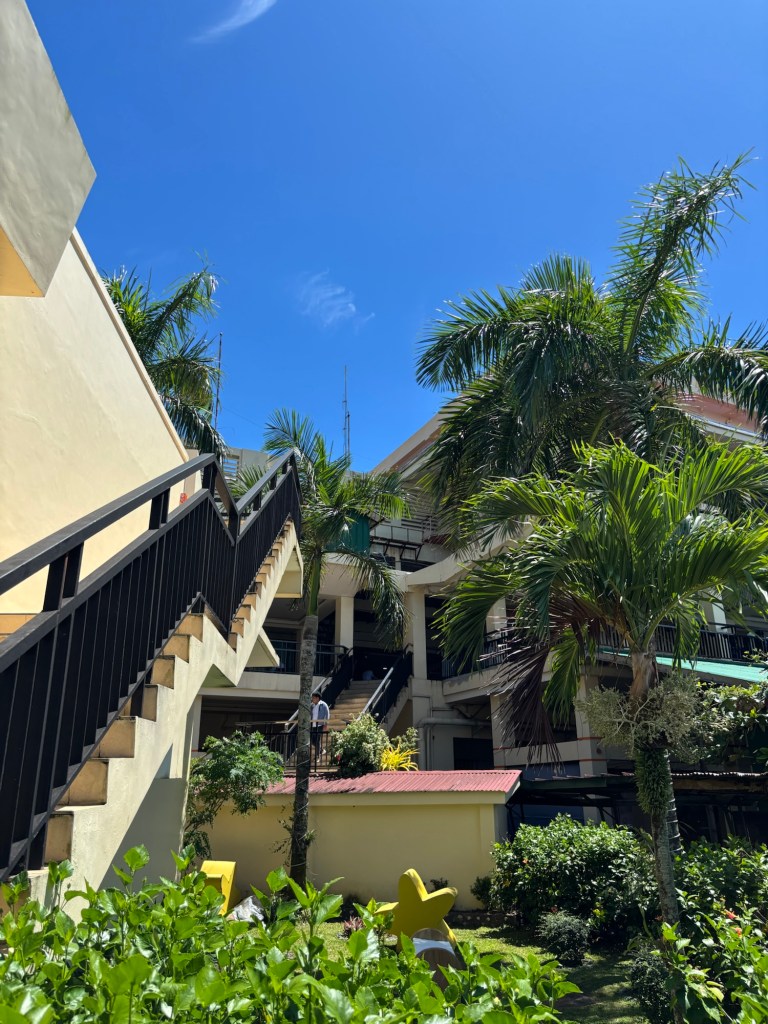
A kilometer away from Ayala Malls, the Embarcadero De Legazpi, established in 2010, allocated a significant budget for the landscaping, and plant and tree maintenance in support of the sustainable development goal (SDG) No. 11 (Sustainable Cities and Communities).


📷 Frederick Andes
As inspired by Singapore, the building integrated green elements inside and outside their building, including the pocket gardens, a rotunda, vertical gardens, and a green nursery.
Being a Philippine Economic Zone Authority (PEZA) accredited building, Embarcadero has been considering aesthetic design elements, promoting investments and economic growth.
According to Girlie Hernandez Moran, operations manager, and Mark Jude Galang, planning and development officer of Embarcadero, the building’s green spaces initiative aims to attract more investors and businesses and enhance its brand image.
Enforced initiatives
As business industries develop in urban communities taking over acreages that constitute negative environmental impact, local government units in collaboration with local building developers initiate to comply and implement laws that promote compassion to nature and promote extensive comprehension of environmental awareness.
Jansen Chavez, Environmental Specialist II and Technical Staff Ralph of the Department of Environment and Natural Resources-Environmental Management Bureau Region V (DENR-EMB R5) shared that buildings or establishments with over 10,000 square area are required to apply to the issuance of an environmental compliance certificate under the Presidential Decree 1586–a law administered to sustain economic growth and environmental protection.
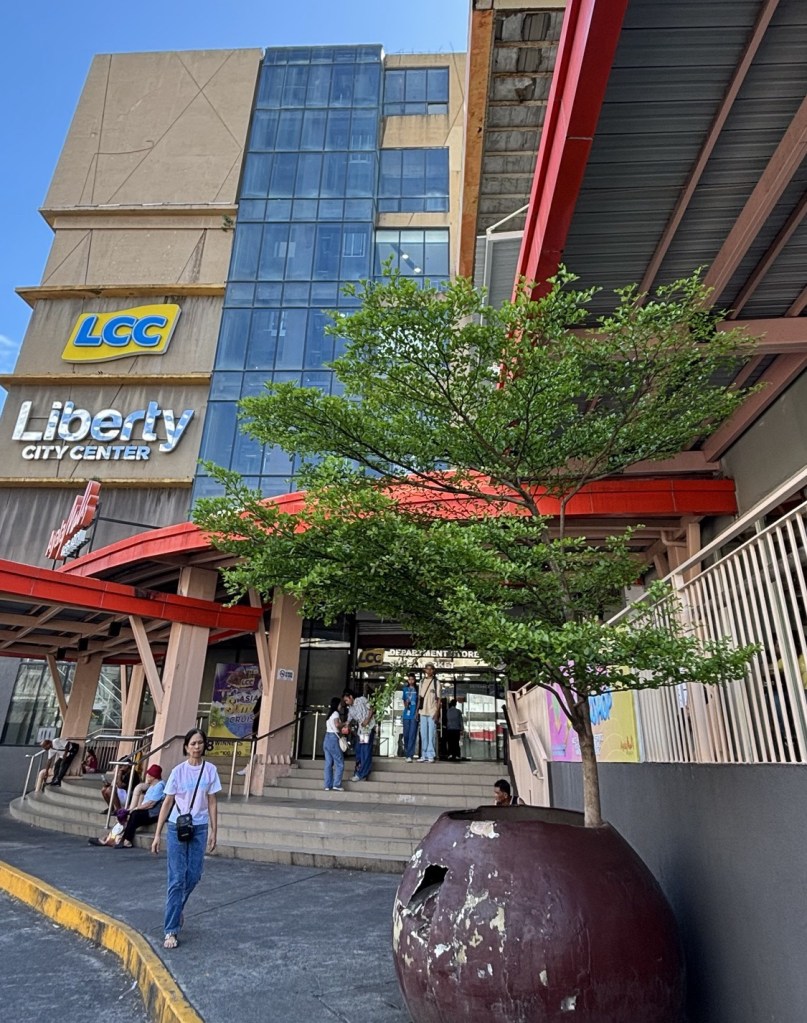
Moreover, despite the application of the law solely to large buildings with over 10,000 square area, Chavez encourages building owners with lesser land scale but with enough capabilities, to apply to the environmental compliance certificate by complying to its standards and regulations.
However, the law’s purpose does not go beyond implementation as it also observes how buildings sustain their compliance to the law through DENR’s monitoring personnel to ensure proper maintenance of establishments.
Chaves also shared that proven violators of the law are subjected to possible sanctions and consequences.

Environmental significance
Architect Jerald Dela Vera said that aside from aesthetic and eye-pleasing impacts, these green spaces have significant environmental impacts including heat reduction, as well as positive effects on employees productivity.
According to him, incorporating green areas provides individuals, especially employees, with opportunities to take much-needed breaks and relax.
Furthermore, he introduced an architectural principle stating that if space is occupied for a building, any space removed must be replaced with an equivalent area of green space.
“It is natural that in developments, there will be built structures. So green spaces are our way to give back to the environment like giving spaces for greens.” He shared.
Dela Vera believes that utilizing sustainable and green ideas in building design brings numerous benefits. The approach taken significantly reduces the building’s footprint and its associated carbon emissions.
Instead of opting for traditional materials like concrete, which can contribute heavily to environmental degradation, Moran said that they decided to prioritize the use of landscaping. By integrating green spaces into their design they not only enhance the aesthetic appeal of the structure but also promote biodiversity and improve air quality.
This sustainable strategy allows them to create a harmonious balance between the built environment and nature, ultimately contributing to a healthier ecosystem while minimizing ecological impact. By choosing landscaping over conventional construction materials, they are making a conscious effort to support a more sustainable future for communities and the planet.
Legazpi City’s Commercial Building Struggle to Keep up
Despite the growing enthusiasm, these commercial buildings are facing several challenges in implementing and maintaining the green spaces.
Mentioned commercial buildings are susceptible to natural disturbances like typhoons that can damage or uproot trees, harm plants, and wash away soil.
High temperatures in urban areas can cause severe heat stress and dehydration to plants, disrupting various plant processes, such as inhibiting the growth and development of a plant tissue and potentially ruin their appearance or even kill them.
Mojico shared that customers and mall activities or events can damage the green spaces in commercial buildings, with some individuals unaware of the importance of these green elements, and they can accidentally or intentionally harm these green spaces.
These challenges emphasize the need for the building management to identify proactive solutions and strategies to keep their green spaces thriving and well-maintained.
Harmony between nature and urbanization
In the continuous development of structures in urban communities, green spaces are good initiatives to implement among buildings so that the touch of nature will not be extinguished in the vast evolution of cities.

📷 Frederick Andes
Chaves and Dela Vera shared that it is important to show compassion to nature through smart initiatives that harmonize economic growth and environment protection.
Meanwhile, the Ayala Malls, Embarcadero de Legazpi, and CAL Courtyard’s implementing initiatives of green spaces are staples and proof that nature and development could always intertwine with each other through smart innovations and planning that ensuring the safety of our mother earth while development continuously propagate in urban areas.
 Bicol Daily News
Leave a comment