By: Ma. Rizza Francisco, Eurica Joy Taray, Tynee Capinig
Bicol Daily News/7:00 AM May 28, 2025

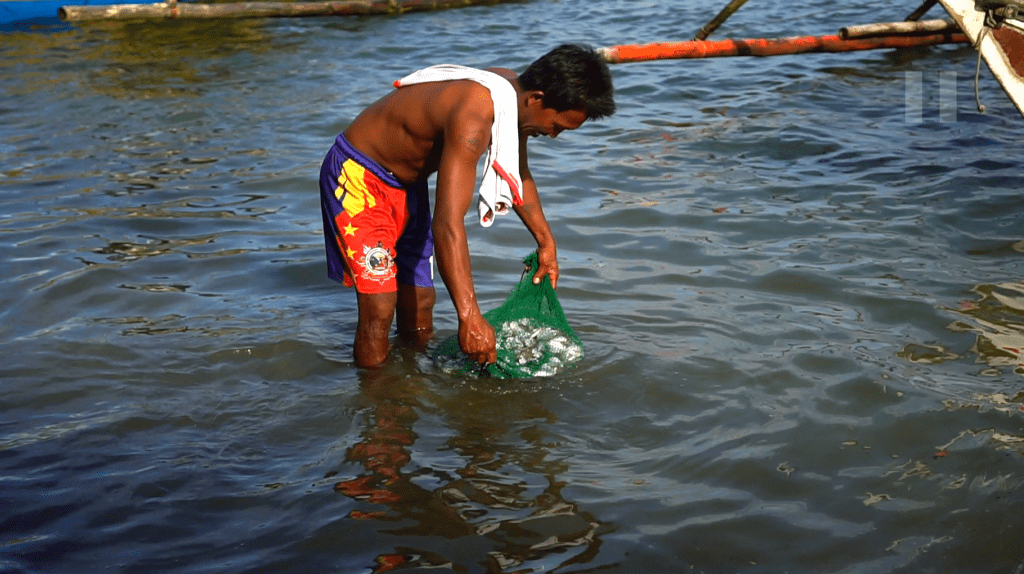
Growing up beside the shoreline in Poblacion East, Milagros, Nenita Albar started going along fishing with her neighbors at the age of nine in saltwater rich with marine life. Among the various kinds of life below water, fish and mollusks, such as squid, are abundant in any fishing spot surrounding the area with varied sizes.
“Since I was young, this has really been our family’s livelihood because back then, we would catch a lot… [T]he squids, they were really big,” Albar, 69, said.
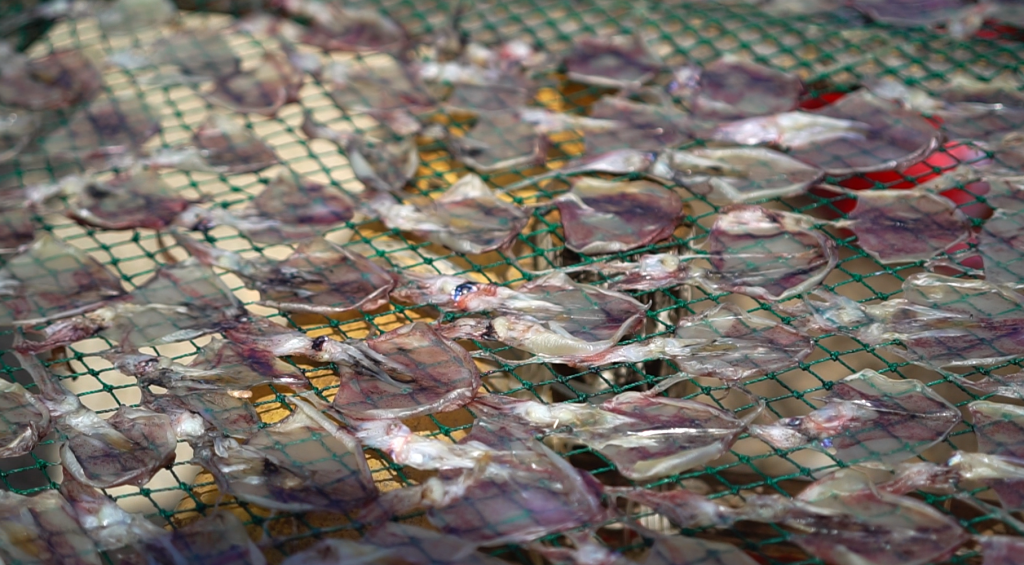
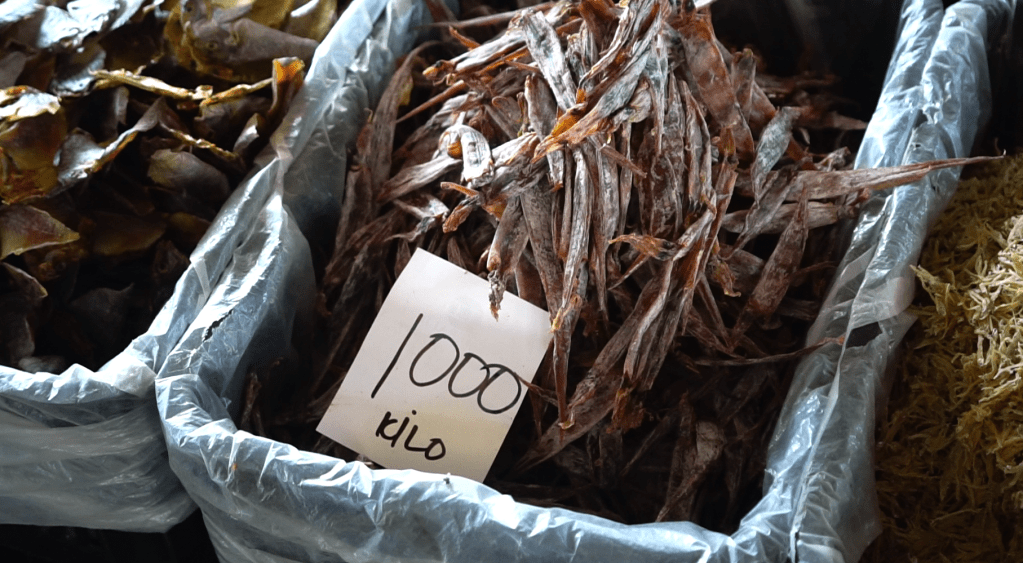
The province of Masbate, located in the Bicol Region of the Philippines, is not only known for its numerous hills, rodeo traditions, and rich cultural heritage but also for its significant role in the country’s seafood industry. One of its known products is dried squid or locally called ‘mara na pusit’ which is one of the reasons that keeps tourists from coming back because of its unique chewy texture, natural flavor, and preservation.
Many coastal communities, such as in Milagros, Masbate, with their abundant marine resources, have long been working in squid fishing and drying, using traditional methods passed down through generations. Their expertise in drying and preparing fish and squid has helped establish Masbate as a major producer in the Philippine seafood market, contributing significantly to the local economy and the livelihoods of many fisherfolk.
“Sometimes, our products reach the Visayas, and some go to Mindanao. Sometimes even farther—reaching other countries. Last February, it even reached Saudi Arabia because someone bought fifteen kilos from me,” she said.
However, this is no longer the case since the coronavirus pandemic in 2019; with the heat temperatures continuing to rise across the country, the heat index—which measures how hot it actually feels when humidity is factored in—has become more than just a number on a weather chart.
For local fisherfolk, extreme heat isn’t just concerning but a growing challenge that affects their daily routines, health, and livelihood. From altering drying times of seafood like dried squid to posing serious risks of heat exhaustion during long hours under the sun, the heat index plays a crucial but often overlooked role in the lives of small-scale fishing communities. As climate patterns shift, these fisherfolk find themselves on the frontlines—adapting not just to the changing tides and the quality and quantity of their catches but to the rising heat of a warming world.
“Even when it’s hot, we still go out to sea so we can catch something. There’s no rule stopping us from fishing even in the heat… [S]ometimes, we come back with only two kilos of catch,” said Albar.
Jeselle Rivas, 37, a resident of Milagros, Masbate, and a reseller of dried squid in the area, said that she is also affected when her suppliers catch only a few and even small-sized squids. In this case, if there’s a shortage in the production, she will have no choice but to add up the price of dried squid, regardless of the quality.
“The supply is low and sales are slow, but sometimes the prices suddenly go up. Right now, squid can cost around 1,400 to 1,500 pesos per kilo. Production is really lacking, and sometimes there’s even competition over the catch, which causes prices to rise even more.”
Noel Umbao, head of the fisheries resource management section at the Bureau of Fisheries and Aquatic Resources (BFAR) Bicol, explained that the depletion of marine life—especially the squid as the short-lived marine organisms—may be due to the rising heat index that persists in the country.
“For squid, they’re like other marine species, but they’re short-lived. They need to be in a physical temperature that’s conducive to their reproductive cycle. If the temperature doesn’t match what their eggs need, they won’t hatch. So, if their population decreases, eventually, our fishers will be affected as well, as they will only catch a few,” Umbao stated.
He also shared that the heat index can have several indirect effects on squid production, particularly when considering the broader implications of climate change.
“Squid are highly sensitive to environmental conditions, so shifts in temperature and humidity, both in the atmosphere and in the ocean, can have several impacts on their populations and production.”
Moonlight fishing, pre-dawn fishing: High heat index became beneficial to fisherfolks

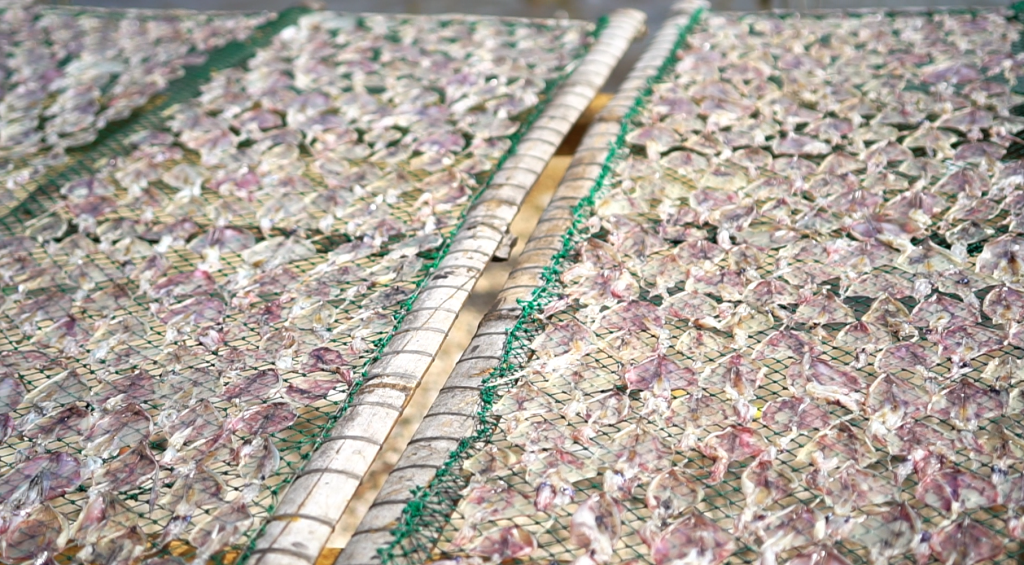
Fisherfolk at Poblacion East, Milagros, would leave for moonlight fishing at five o’clock in the afternoon and finish at six o’clock in the early morning every day. In local terms, they call it “laya” a fishing process where they would just stay in one area and use a flashlight to find and catch squid. Right after the fishing, they would immediately start cleaning and sorting their catches, depending on the kinds and sizes. As for small fish and squid, they would make it “pakas,” a local word that refers to the process of splitting them in the middle and cleaning them. After that, they would dry it under the scorching sun, but if they couldn’t dry it in one day, they would put it on ice and continue to dry it the next day.
“Just like small squids, we prepare them by slicing them in the middle and cleaning them. After that, if we can’t dry them on the same day, we just put them on ice, then dry them out in the sun the next morning,” Albar explained.
Meanwhile, Eliazar Delacruz, 45, a fisherfolk at Sitio Nabolwang in Barangay Baybay West, Narangasan, Milagros, which is approximately six to seven kilometers from Poblacion East, practices a different way of fishing. In contrast to moonlight fishing, Delacruz would leave their house around four in the morning for their pre-dawn fishing, using a machine-operated boat and a net being hauled in. Then they would come back around two to three in the afternoon, where they would also immediately start the cleaning and drying process.
“It’s different for us. They go squid fishing at night using lights. As for us, we catch squid in the morning — we pull the net while the boat engine is running,” Delacruz said.
Regardless of the fishing processes, fisherfolk said that for the better quality of catches, such as the fresh and big-sized squid, they would set them aside from the small ones, as they will sell them as they are to the market for a much higher price. The community says that these qualities are the sellable products in the market for a much better price nowadays because fisherfolk rarely catch such quality, oftentimes due to the squid’s depleted quantity and quality.
Despite the risks posed by the high heat index, fisherfolk find it beneficial to them when it comes to the drying processes.
“It’s better when the heat is intense because it speeds up the drying of our products. In just one or two hours, the fish and squid are already dried. Of course, that means we can sell them faster, and the quality is still good,” he said.
On the other hand, fishermen also believed that one of the things that affected their livelihood was the strong and high waves, which, in their suspicion, was caused by the intense heat temperature.
“Sometimes we catch something, sometimes we don’t. Even when it rains, there are times we get a catch and times we don’t. It’s the same during the dry season. What really affects us here is when there’s a ‘pulyada’ or strong waves, because we truly can’t go out to sea. But when it’s just heat or a bit of rain, it doesn’t affect us that much,” Albar said.
However, Umbao explained that waves are just normal, which means that the weather is just in good condition. In such a case, if the heat index was high, so was the water evaporation—the indication that there will be a possible typhoon, but he assured that this does not affect the natural activity of the marine species.
“When the heat index is high, evaporation over the sea also increases, which means there’s a greater chance of a typhoon forming. However, waves don’t really affect the natural activity of squid or other marine species, because they don’t actually feel them. Waves only occur on the surface; they don’t reach the deeper parts of the ocean where these animals are.”
Climate changes: Challenges squid’s survival


According to Umbao, the intense heat index eventually causes the decline in marine species, as their reproductions are all very dependent on the water temperature in their habitat. This phenomenon can also cause a rise in ocean temperature due to the existing climate crisis, which can lead to changes in squid behavior, distribution, and reproduction rates.
“For example, in Masbate, if the water temperature is no longer conducive for the squid’s mating season, their instinct is to move to areas that meet the conditions they need to survive and reproduce. If they can’t meet these parameters, they will die without being able to hatch their eggs,” he explained.
In times of intense heat index, water temperatures may push squid populations to cooler, deeper waters or towards higher latitudes. In some areas, squid populations may shift, affecting fisheries that rely on specific squid species that inhabit particular water temperature ranges.
“Excessive heat can cause stress, leading to smaller, less healthy squid. It might also disrupt spawning behaviors, reduce hatchling survival rates, or alter the timing of reproduction, making it harder to predict and manage squid populations for sustainable harvesting.
It has also implications for food security, as the high water temperature accelerates nutrification—when too many nutrients in the water cause algae to grow too much—making aquatic ecosystems more vulnerable to algal blooms and red tide outbreaks that harm marine ecosystems and disrupt food systems. This makes food security — especially in coastal and fishing communities — more vulnerable,” he shared.
He also emphasized that while the heat index itself may not directly affect squid, the underlying temperature and environmental changes it reflects—such as ocean warming and shifts in humidity—can significantly impact squid production. Fisherfolk and aquaculture operations may need to adjust to these changes through better management, adaptation, and monitoring of squid populations and their environments.
“Communities that depend on squid for food security and income could face economic hardship if squid populations decline. Reduced catches or the need for more costly and complex fishing methods could increase the economic burden on small-scale fishers and aquaculture operations,” he added.
 Bicol Daily News
Leave a comment