by: Mary Karyll Carretero, Claris Canar and Alyssa Tripulca
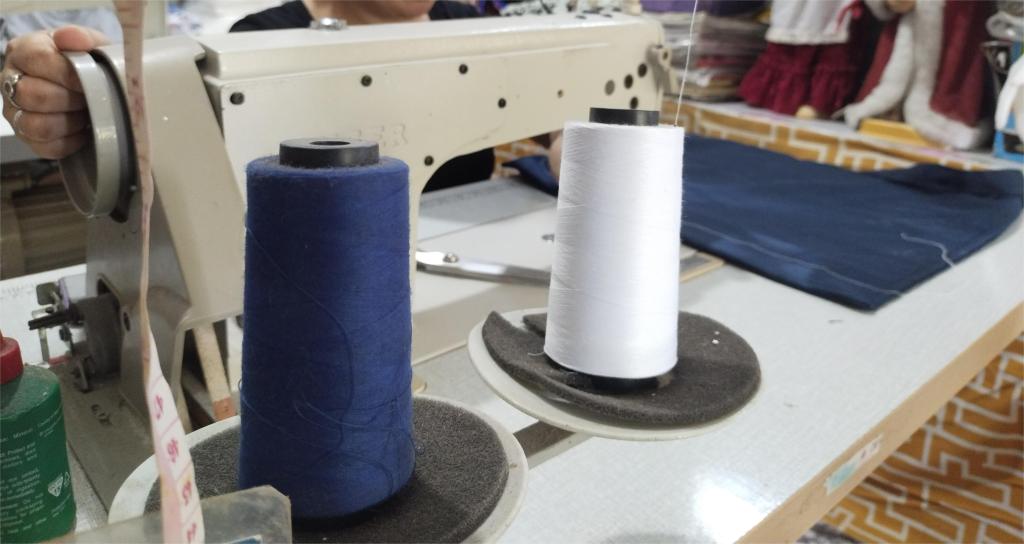
Sewing machine at Dap-Dap Ecopreneurs Association. / Claris Canar
LEGAZPI CITY — Textile waste is becoming a devastating issue in Legazpi City, as it made up 2.17% of waste last 2024. While there may be some amounts of used clothing and worn textiles which are still in reusable condition and were upcycled, far too much ends up going to the firm municipal landfill in the city where it takes considerably more to repurpose than the cost of pollution and environmental degradation from throwing it away. Heavily soiled or damaged textiles don’t lend themselves to reuse in any capacity and must be disposed of further complicating the waste issue.
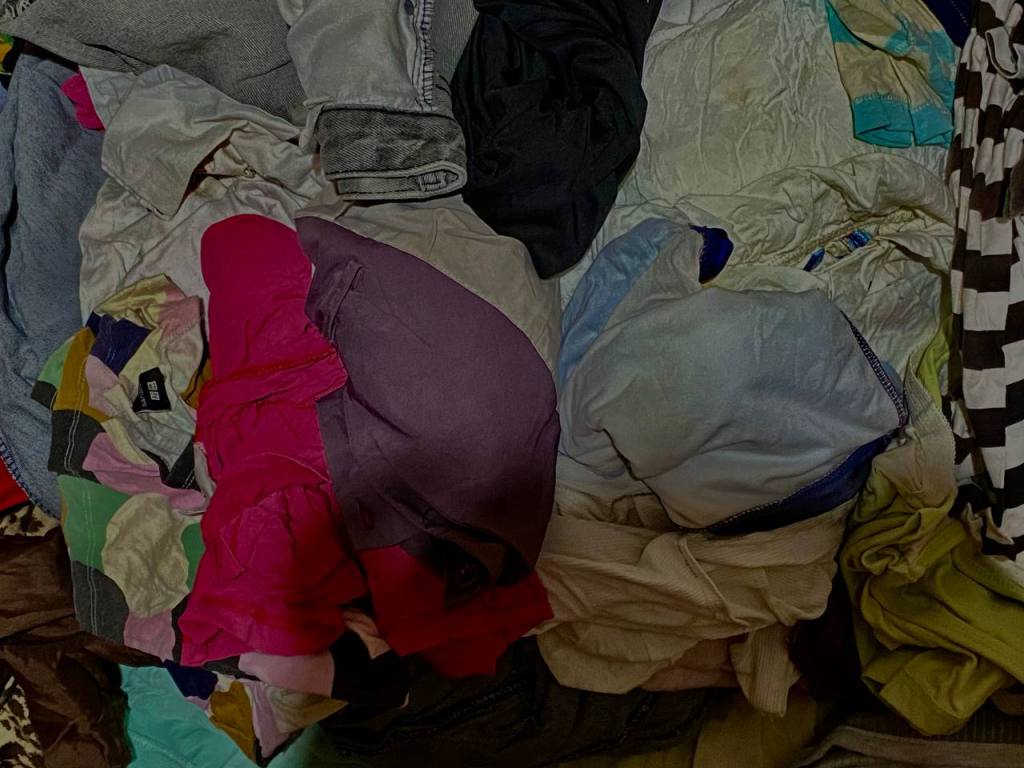
Stacks of clothes no longer wear at home. / Alyssa Tripulca
This revolution is called upcycling, the creative act of taking old, thrown away or forgotten materials to make something new, beautiful and functional.
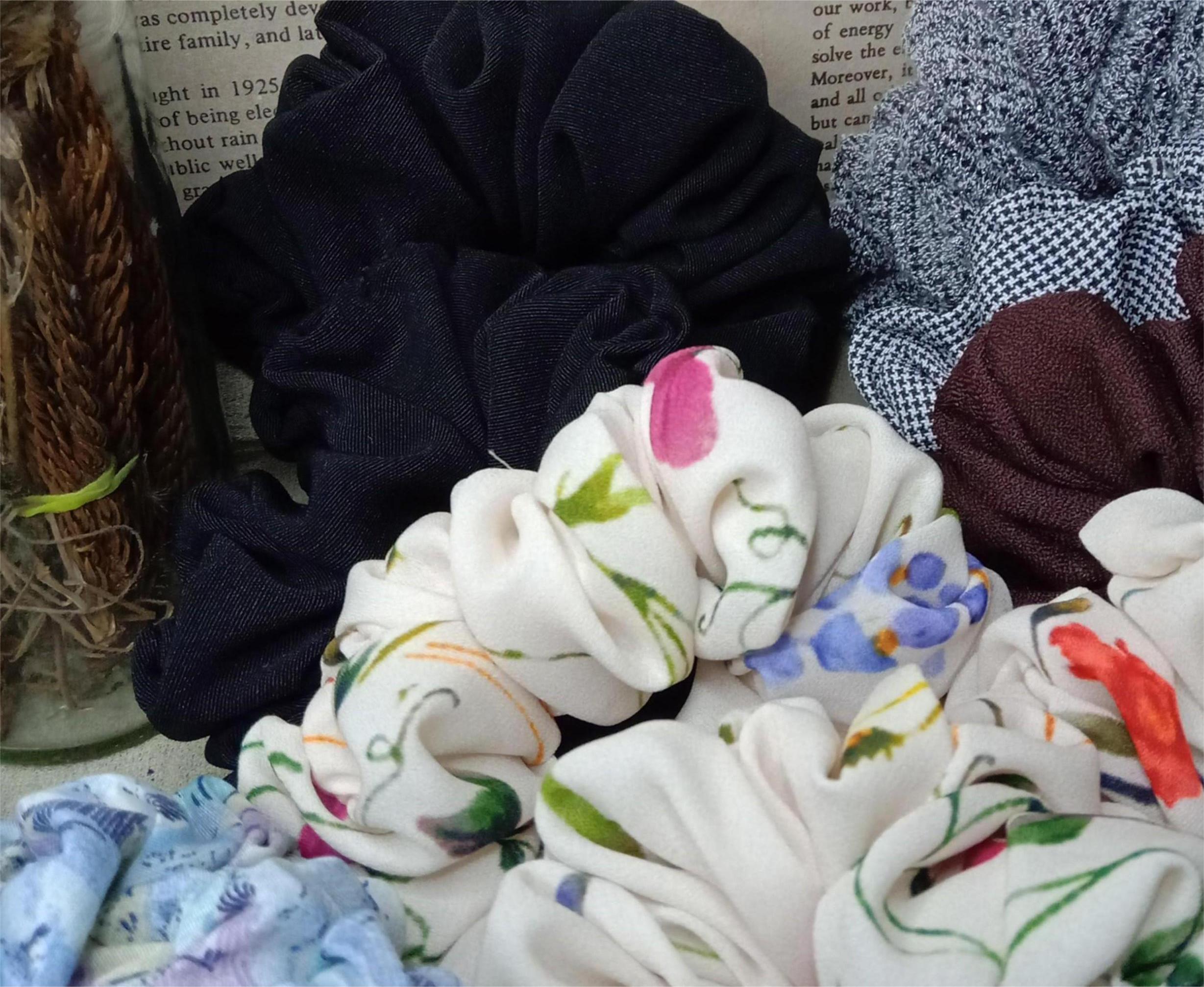
Upcycling began as a childhood passion for college student entrepreneur Melrose Lagonoy—repurposing discarded fabrics into outfits for her dolls. What started as a creative hobby eventually became a small business that merges her love for fashion with sustainability.
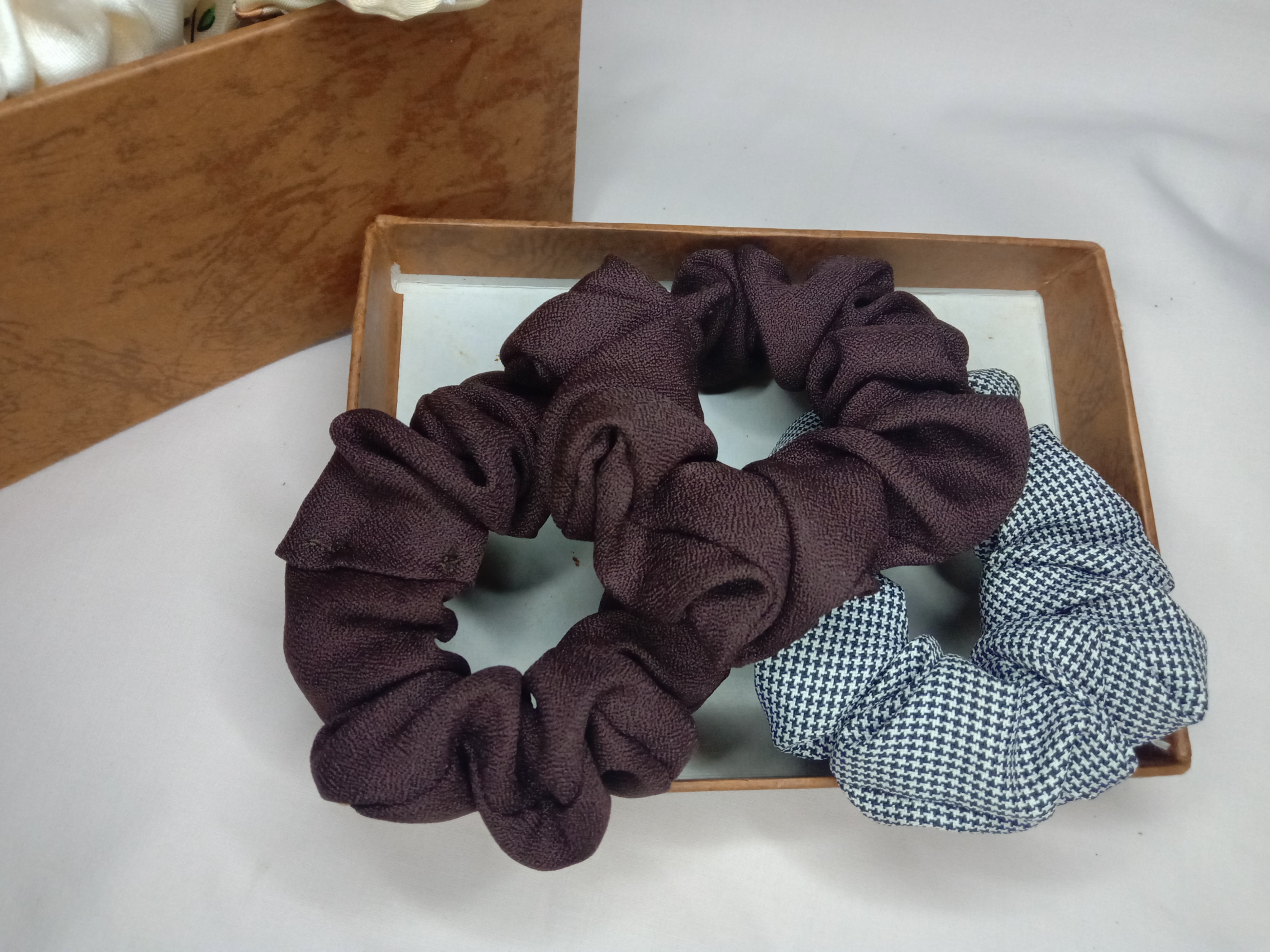
Even when producing small batches—just five to ten scrunchies at a time—Lagonoy manages to earn between ₱150 to ₱500, proving that sustainable fashion can be both creative and financially rewarding.
Selling scrunchies for ₱30 to ₱50 each, her venture not only provides extra income to support her studies but also helps reduce textile waste in Legazpi City. “What I enjoy most is knowing that nothing goes to waste,” she shared. “I reuse fabrics that others would throw away, turning them into something beautiful and useful.”
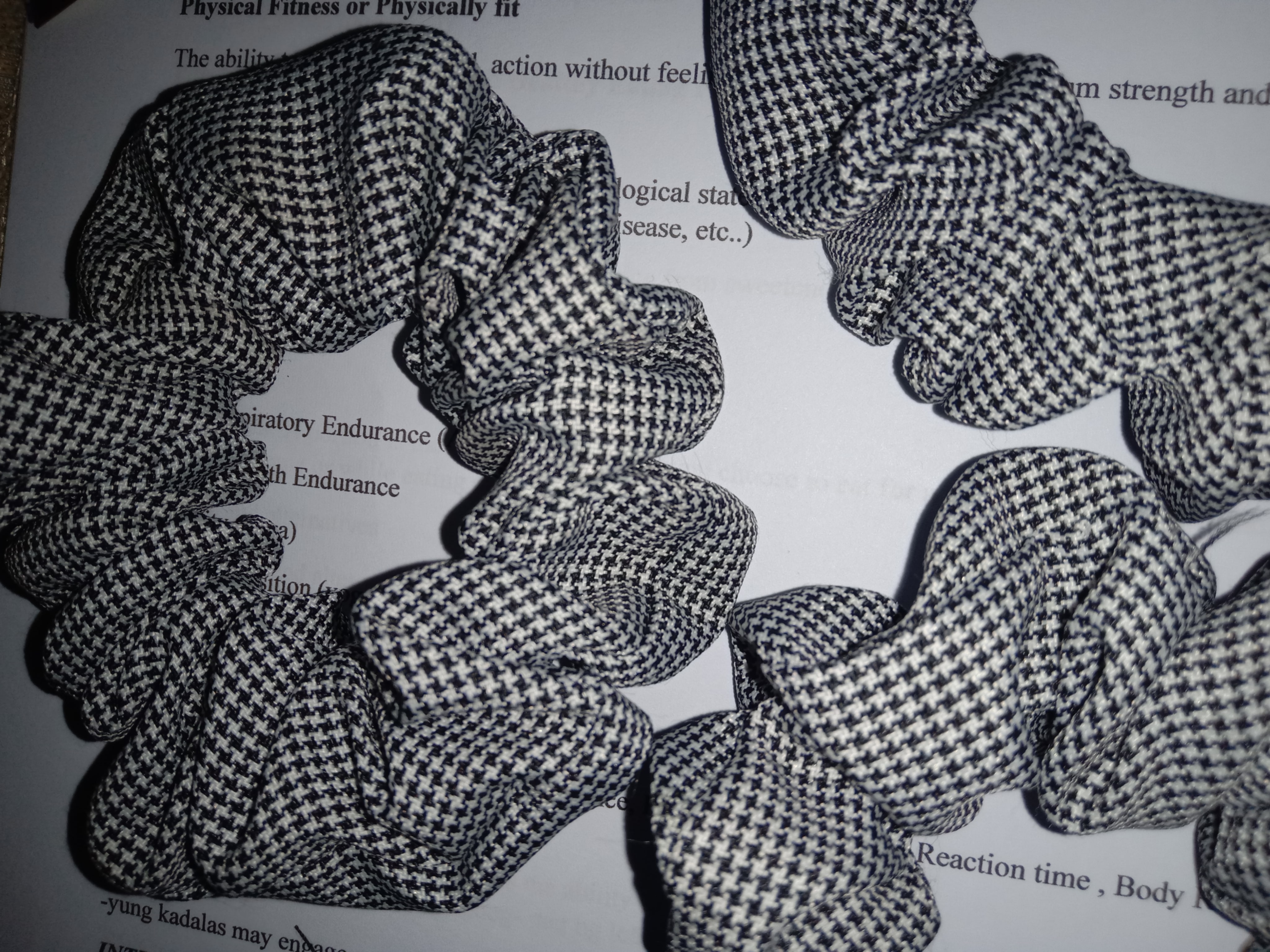
Lagonoy hand-sews scrunchies from old clothes—many thrifted or repurposed from her family’s closet. She notes that while fabrics like silk, chiffon, and linen work well, quality craftsmanship and design are ultimately what make a piece stand out.
“It’s not about the fabric—it’s about the theme and pattern, “Whether it’s ‘coquette’ or ‘goth,’ style is what makes the scrunchie stand out,” Lagonoy explained
A Community Woven with Purpose
In the quiet barangay of Dap-Dap, Albay, a small but determined group of women is demonstrating that change starts at home. The Dap-Dap Ecopreneurs Association is a community of stay-at-home moms, retirees, and local entrepreneurs who decided to tackle the problem of scraps of fabric and turn them into fantastic bags, aprons, and accessories. Every piece is not merely a garment; it is a story. A story of resourcefulness, resilience, and hope.
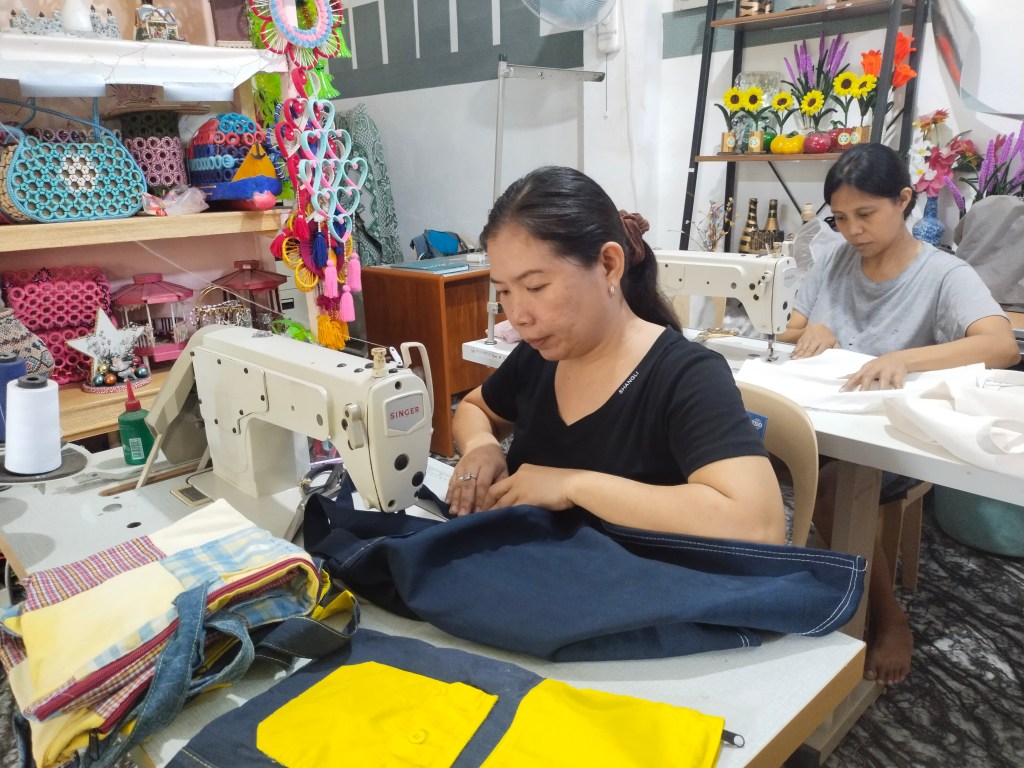
Transforming used clothes into sustainable bags—upcycling in action at Dap-Dap Ecopreneurs Association. / Claris Canar
Dolores “Dolor” Pastor Meligenyo, a Garment Environmental Management Specialist from the Office of the City Environment and Natural Resources (OCENR), emphasized the heart of their advocacy.
“Used clothing shouldn’t be seen as trash, especially when it still has so much life left in it. It’s always better to reuse what we already have than to keep adding to the waste that ends up in landfills,” said Meligenyo
For these women, upcycling is more than a source of income; it’s about changing perspectives. It’s about helping their neighbors and communities move away from thinking of the things they throw away as waste, instead appreciating the materials they use for their full potential. Every piece of scrap fabric is a potential opportunity waiting to be uncovered – it’s not just trash waiting to be discarded.
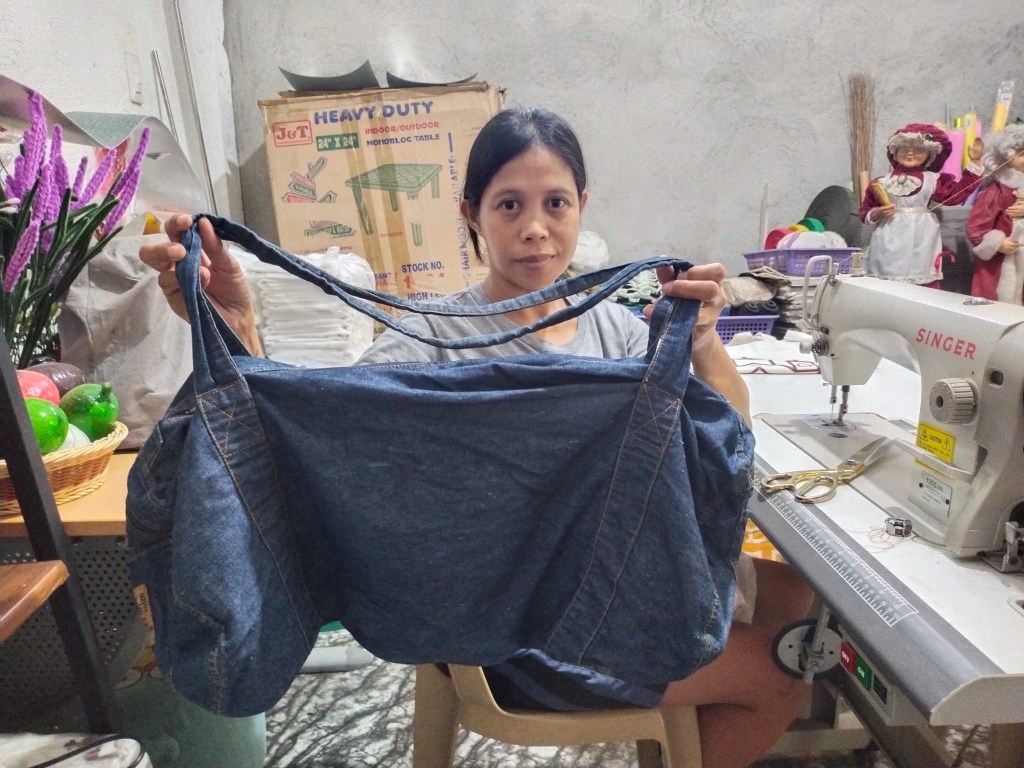
Dap-Dap Ecopreneurs bag crafted from repurposed denim jeans. / Alyssa Tripulca
One member shared her motivation, saying that for them, every piece of scrap fabric is like a blank canvas.
“It’s not just about earning, It’s about showing people that you don’t need much to create something beautiful and meaningful,” she said.
Their craft is a bright example of how sustainability and creativity can coexist, providing livelihoods while protecting the environment.
Thrift is the New Trend: Stories Behind the Racks
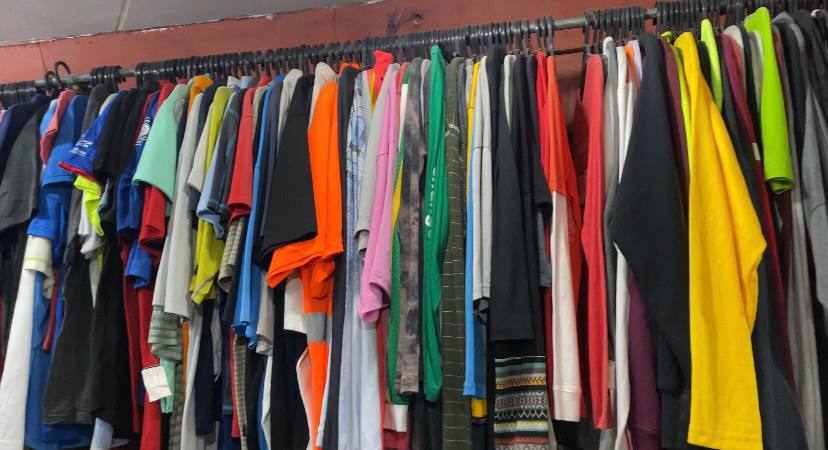
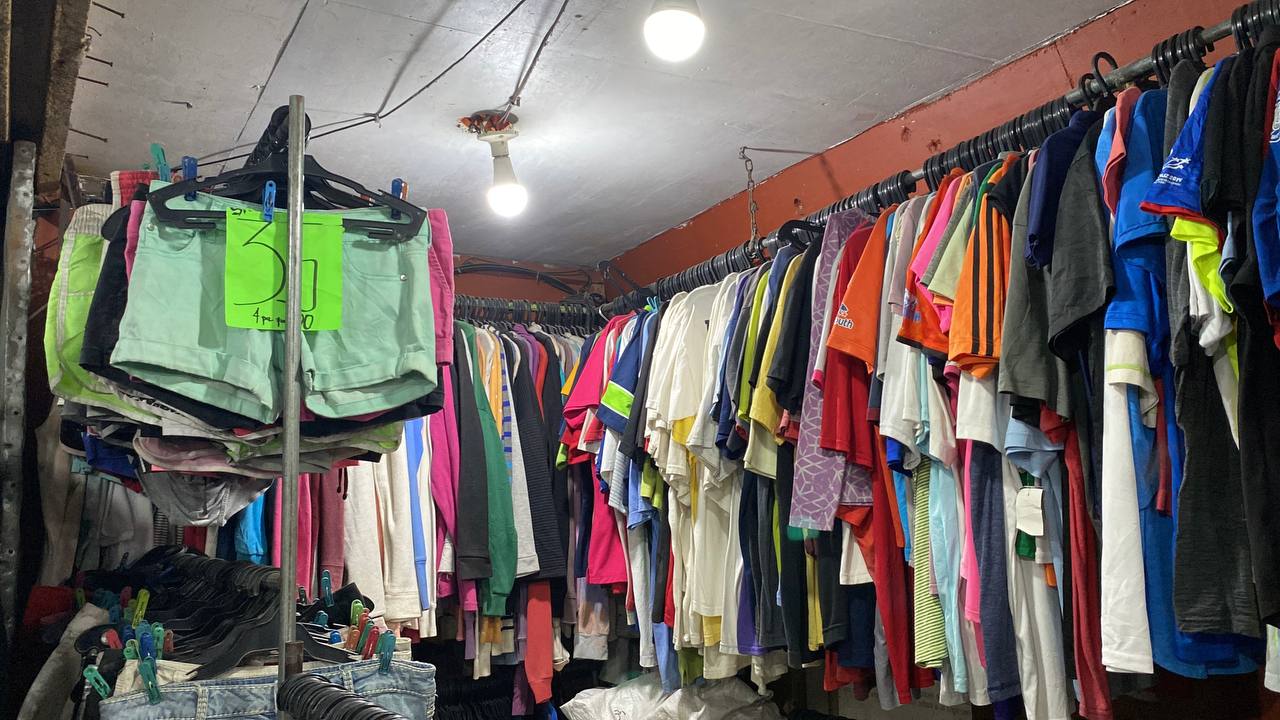
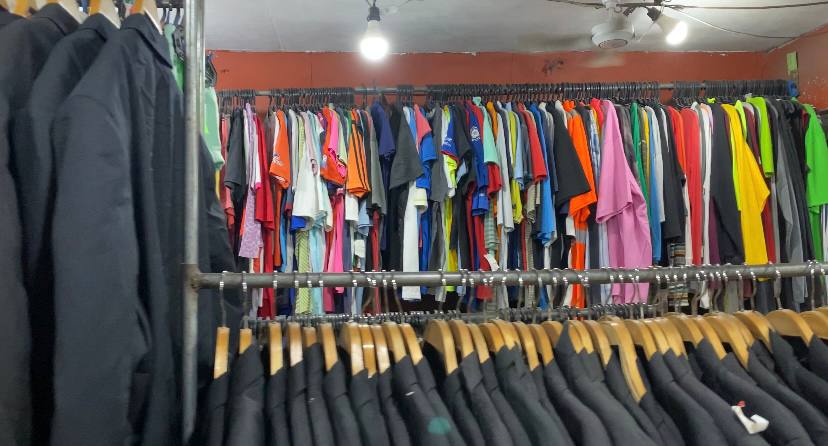
Upcycling is not only about making things out of fabric scraps. It’s also about accepting second-hand culture, and thrift stores, or “ukay-ukay,” are at the center of this revolution. These stores sell second-hand clothes, usually donated by other people, and provide a different option from fast fashion.
For individuals such as Karen Punzalan, who owns a small thrift store, the business is more than selling apparel—it’s a means of supporting causes and assisting others. “Some clothes were ours, others were donated by friends abroad. Instead of letting them go to waste, we sell them for a cause,” she explains. Her shop is more than just a business; it’s a way to give back to the community, with proceeds going toward charity work, such as helping those affected by natural disasters or supporting school donation drives.
Thrift culture is no longer about finding cheap clothing; it’s also about mindful decision-making and sustainability. To young business people such as Rivas, thrift stores are a means of offering fashion-forward, yet affordable, apparel that doesn’t sacrifice quality. She imports thoughtful selections from Thailand to meet increasingly popular demand for trendy, second-hand clothing as distinctive as they are inexpensive. In a world that is consumed by brand names and labels, Rivas’ business proves that fashion does not have to cost the earth.
Nowadays, thrift stores are gaining popularity with students and young people. Social media has helped bring this trend into being. Many posts about their thrift shopping finds online demonstrate how second-hand fashion is still fashionable. It fights the perception that we need to constantly have new things to look decent. It showcases that creativity and one’s style matter more than luxury brands.
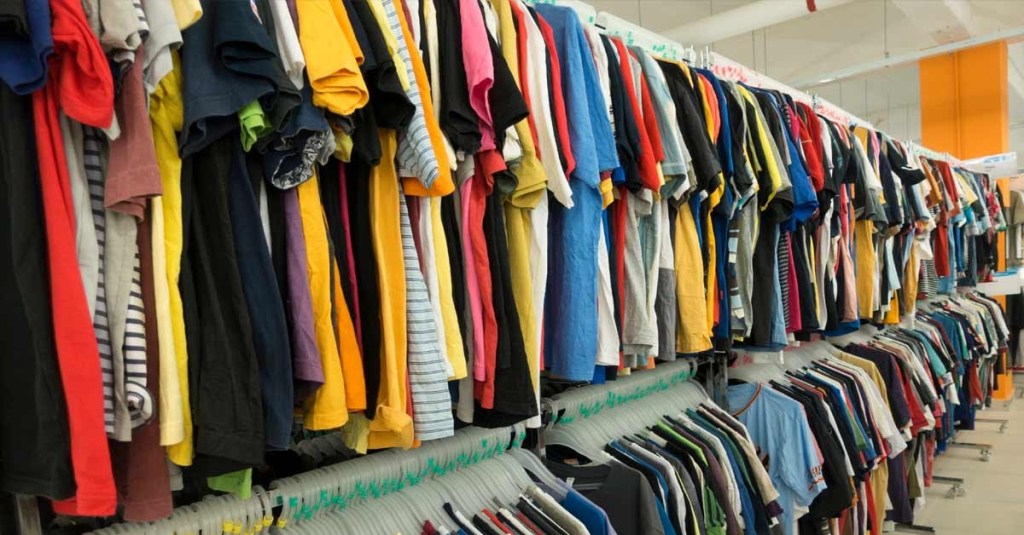
Thrift stores in Legazpi offer affordable fashion, proving that style matters more than brand names. / Alyssa Tripulca
Upcycling and thrift culture aren’t trends, they are part of a broader awakening toward mindful living. People are starting to view the world differently: Sustainability is not just about the planet; it’s about how we interact with the world, and each other. Using Upcycled Items Upcycling is not only about taking something old and giving it a new life; it is also about recognizing and up against the fact that everything must be brand new.
This cultural shift is most pronounced amongst younger cohorts who are sharing the message digitally. With hashtags like #UkayHauls and #UpcycledFits gaining momentum, influencers, students, and activists appear to be publicly displaying their sustainable fashion and upcycling brands. It is not about identifying where to find a good deal or save money. This is about signaling change. Fashion is no longer primarily about appearance; it is about values, accountability, and identity. It is also a way to connect. When individuals share an upcycled something or a thrifted find, they are not just showing us their style; they are engaging in an important conversation about ways we can be more conscious and kind to the earth. These small actions, when performed collectively across a large number of people, could lead to a large-scale impact. This way of thinking is a way of creating more resilient, more thoughtful communities.
The Big Picture: Why It Matters
Before we can understand the importance of upcycling and thrift culture, we have to realize the scale of waste in our world! Clothing waste, plastic waste, and food waste all have a downside to our planet. Sadly, there are even parts of the world where any item of clothing that could be salvaged is sent to the trash. In addition to ongoing pollution and damage to our environment, textiles go to landfills. Well, there is some hope in upcycling. Upcycling fabric and used clothing lessens the burden of textiles that go into landfills. Upcycling uses less water, energy, and pollutants because upcycling eliminates the need to generate new materials, in addition to the resources we get to use. Every piece of donated and thrifted clothing represents a shift away from excessive consumption and toward a more sustainable lifestyle.
Additionally, we have to think of the people who make our clothing. New clothing is mostly produced in factories where workers are underpaid and overworked. When we upcycle or buy second hand goods, we support local communities, small businesses, and people making a difference, thus not supporting an unjust system. Government organizations like the Environmental Management Bureau Region V (DENR-EMB RO5) from the Department of Environment and Natural Resources are trying to promote solid waste management in Albay through waste reductions that have these goals in mind, such as barangay-run material recovery centers (MRFs), eco-bricks, eco-bottles, and programs that incentivize bringing trash for exchanging “new” goods, like the Palit Basura Program. We can support local sustainability initiatives that demonstrate thrift culture values such as resourcefulness, community empowerment, reusability, and reducing waste in our landfills.
Weaving a Greener Future
The beauty of upcycling and thrift culture is that they are not dependent on larger systems and complex technologies; they can emerge in communities where activities can be as simple as making a bag out of an old shirt or purchasing clothes from a second-hand store. Sustainability doesn’t have to be a big and difficult idea, it can simply start with using things we already have. By reusing, upcycling, or even just buying second-hand, we can begin to lessen our negative impact on the health of the planet, while positively affecting the communities and people we live with. The movement is still developing; there is much work to be done in terms of infrastructure for thrift culture, the support of policies and programs that promote thrift culture, and knowledge sharing and education on thrift culture. But what is undeniable is that change is beginning to happen. Change is happening with women who sew products from rags, students who express themselves through second-hand fashion, and store owners who are making thrift culture come back into style.
Without a doubt, the small actions contribute to what might be called bigger change, not just in sustainability, but in welcoming a fairer, more artisanal, and kinder world. We are stitching the future one stitch at a time, and perhaps we can peel back our lives following the actions of these communities, and create a world that becomes more sustainable as well as more supportive and loving.
 Bicol Daily News
Leave a comment