By Mary Artillery Villamor, Shana Marie Ansus, and Ericka Mae Mendina
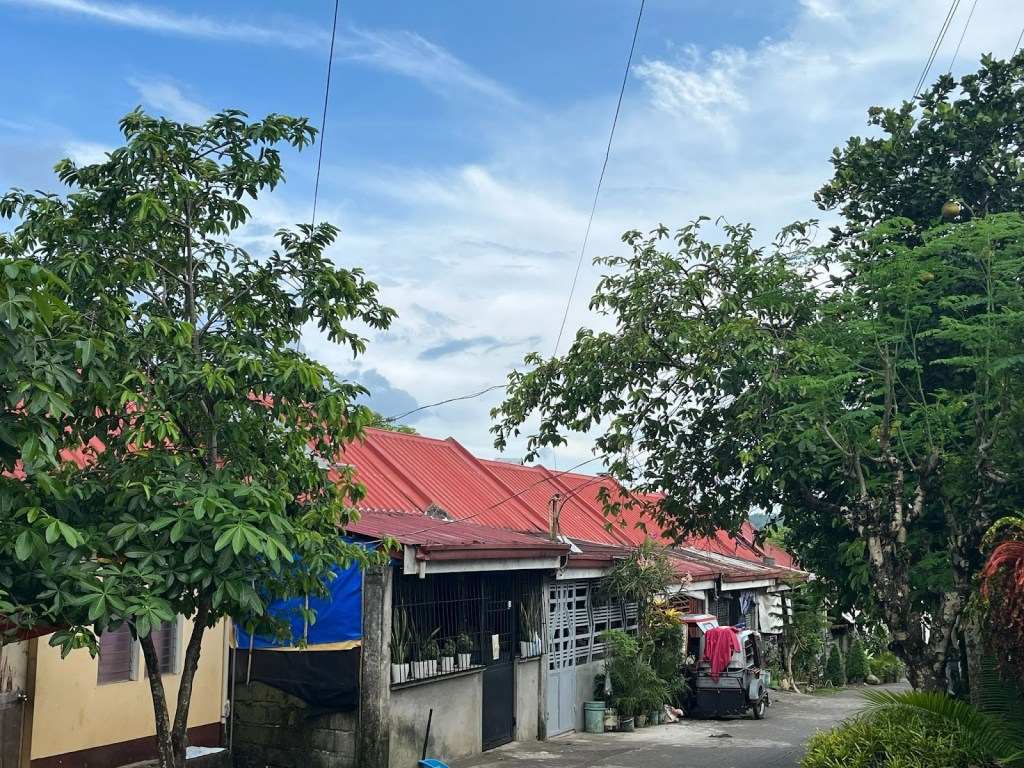
For a displaced survivor from Padang village, like Elmera Apiado, 56, life has become more stable and safer since her relocation to the Taysan Relocation Site, after Typhoon Durian, locally known as Typhoon ‘Reming,’ pummeled the Bicol Region on November 30, 2006.
She is one of the more than 700 resettled families from what was once a temporary refuge, but eventually became a community where their lives have settled and continue to grow.
In Albay province, Legazpi City is the first-ever municipality that has permanently relocated all of its residents who once lived along the foothills of Mayon Volcano to secure their safety from lahar-induced hazards.
The land where the resettlement site was established was bought by former mayor Imelda Roces, and through a city ordinance, the relocation site was built as an immediate action by the city government of Legazpi for the displaced survivors, particularly those affected by Typhoon Reming.
But beneath this sense of permanence lies a reality shaped by unstable progress. The lack of livelihood opportunities, limited access to basic services, and insufficient local government support persist in the site, even nineteen years after the survivors were relocated.
Almost two decades later
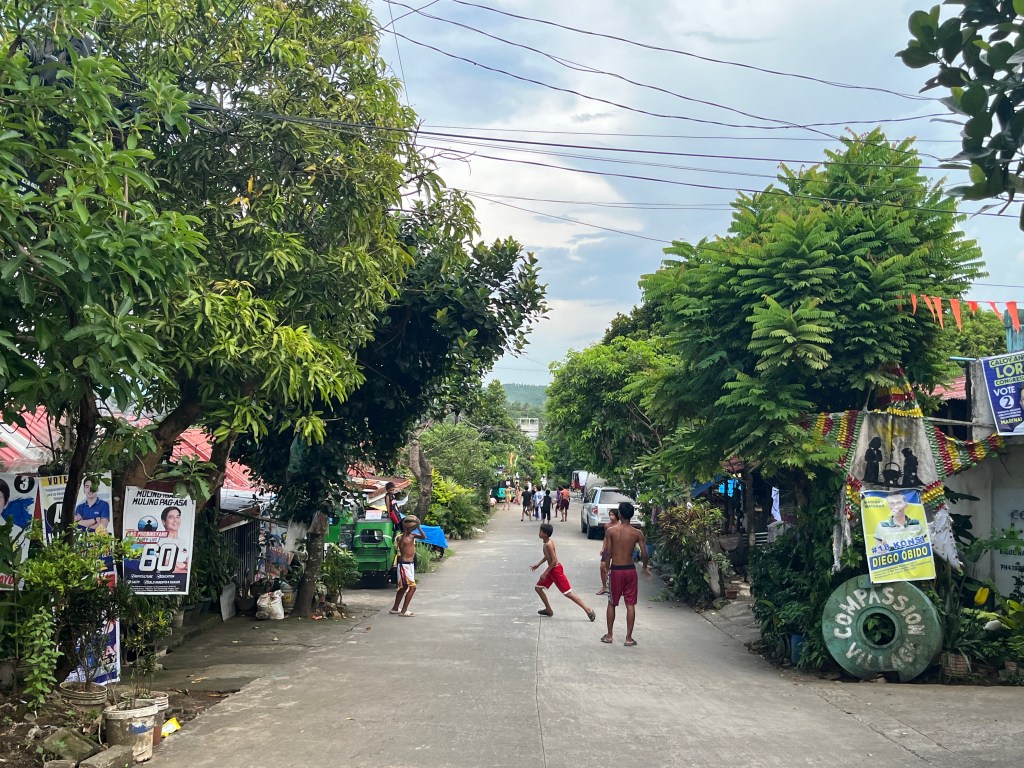
From what was once wide, empty hectares of land, the area has transformed into a place families now call home, saying that they feel safe in their current community.
Apart from their safety, Apiado shared that she has been able to reestablish her sari-sari store with more stable income, which was also her primary business in her village in Padang that was swept away along with their home during the onslaught of Typhoon Reming.
Residents of the relocation site have all found ways to cope, earn, and rebuild their lives despite initially starting in an unfamiliar place. Some of the residents have built their sari-sari stores, while others have become more active in community engagement and commission work.
Juliana Marie Cruz, 18, who is now a college student, said that her family’s life changed after moving to Taysan village. Before the relocation, her parents relied on unstable earnings, including jueteng, to get by. After settling in Taysan, they eventually found a more stable footing.
But despite the emergence of infrastructures and the ease of living farther from danger zones, the residents shared that their community still comes with its own set of challenges, especially in access to more sustainable livelihood opportunities and services.
Due to its geographical location near Mayon Volcano, Legazpi City has always been exposed to a mix of volcanic and weather-related threats, such as eruptions, strong typhoons, and flash floods.
One of the strongest storms to hit the Bicol region was Typhoon Reming, which catastrophically destroyed large parts of Albay province. In the city, some villages such as Padang, Gogon, and Rawis were among the hardest hit, due to the massive mudflows from the slopes of Mayon.
Resettlers’ struggles
Raphaela Albor, officer-in-charge of resettlement, housing, and community development, shared that there were three criteria for determining eligibility for housing at the resettlement area.
“First, they were affected by the Typhoon Reming—particularly for the Taysan resettlement site. Second, they fit the socioeconomic demographics provided by the City Social Welfare Development Office. Third, they should be residents of Legazpi City.”
Benjamin Rosin, Taysan’s village chief, clarified that not all of them were victims of the destructive typhoons. He described the other percentage of the settlers there as those people who were displaced from the mainland.
Rosin added, “The livelihood programs there are not succeeding. They’re really not sustainable. Even the DSWD staff aren’t showing up.”
Due to the growing household population, the local authorities are finding it difficult to sustain the growing needs of the residents due to the lack of budget allotment for their housing. All of the services continue to be stretched thin, struggling to meet the needs of more than a thousand residents.
At present, the city officials have mainly focused on capability-building initiatives in poultry and agriculture rather than fully developed livelihood programs for relocation sites.
On a village level, Willfranz Correa, village councilor, said that they have implemented livelihood training programs for the residents for skills such as carpentry, welding, food processing, and small business management.
However, residents said that these efforts have yet to translate into sustainable opportunities. Apiado said that these programs do not really help with livelihood. The residents’ way of survival is still by finding their own way to earn a living, by establishing small businesses derived from their own capital.
Correa added that while the resettlement site is a growing and stable community, he acknowledged that the community is still challenged by a lack of expanded infrastructure and services.
Some infrastructures on the site consist of a daycare center, established by Rosin, small health stations, and barangay outposts. However, these remain limited and too small to adequately serve the growing population.
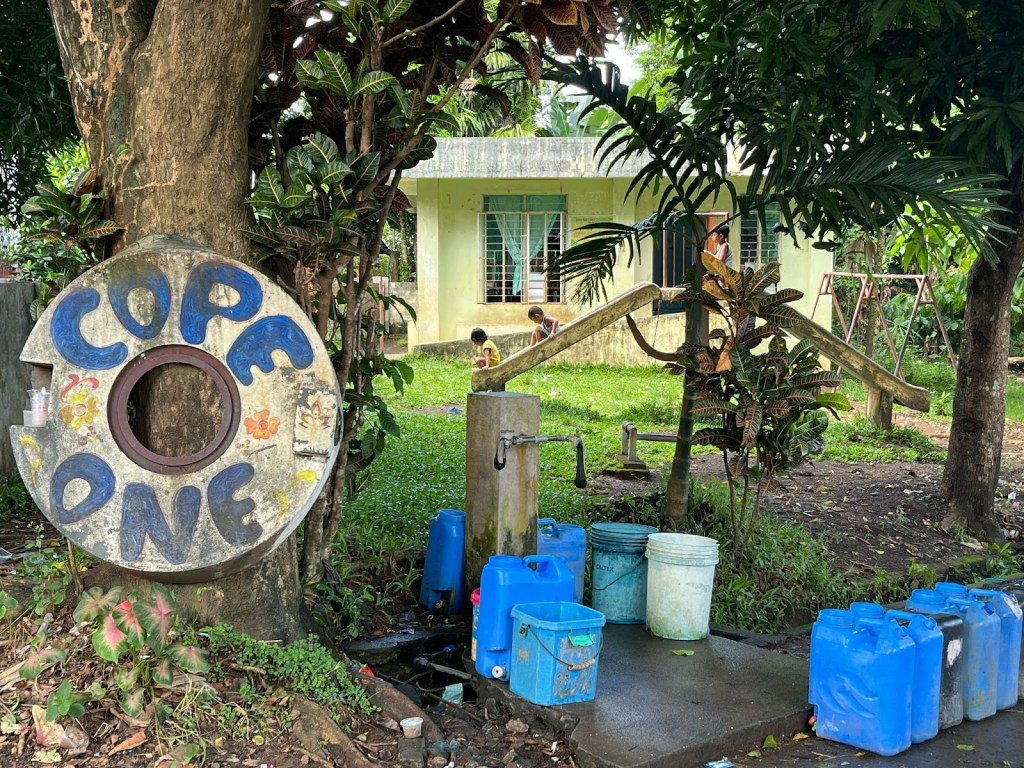
For their water supply, some residents still rely on solar water heaters and a manual jetmatic pump, lining up pails beside the Taysan Integrated School, as electricity remains unstable in the area, especially during calamities.
Local authorities’ response
Albor emphasized that there are no longer plans to expand the Taysan resettlement site in the future due to the risk of overcrowding.
The root of the problem, however, lies not in the growing population but in the deeper reality that the community remains underdeveloped even after years of resettlement.
Almost two decades have passed, but it still faces a lack of infrastructure upgrades, incomplete road networks, water and electricity supply issues, and even inadequate waste management.
Correa said that “Planned improvements include road concreting, expansion of water lines, installation of additional streetlights, establishment of a larger health station, and the development of a community livelihood center. We also aim to strengthen disaster resilience infrastructure, such as evacuation routes and warning systems.”
Yet despite proposed development plans, little has implemented, leaving residents to navigate their own resources.
Today, many households no longer depend on livelihood aid from the local authorities to start a business and thrive in their lives. Instead, they focus on building their daily lives and sustaining themselves through the skills and plans they have created from their own efforts, over the years of living in a tightly knit community.
 Bicol Daily News
Leave a comment